World
Trump Threatens Iran’s Infrastructure Amid Escalating Tensions
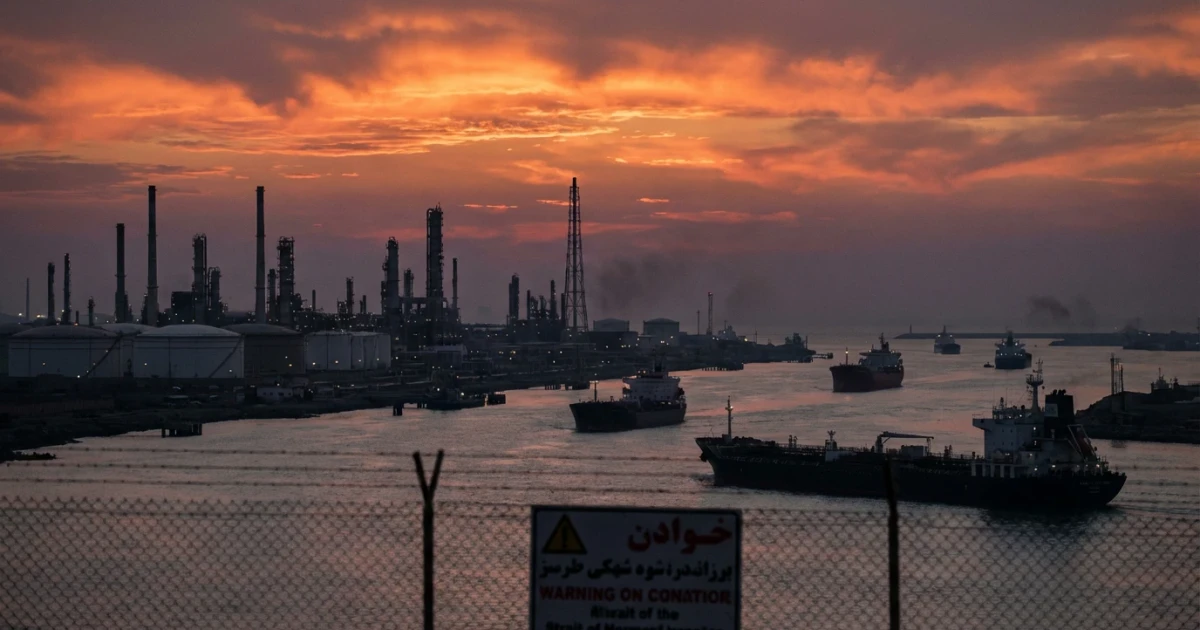
Former US President Donald Trump has issued a direct threat to target Iran’s infrastructure, including power plants and key bridges, using strong language in a recent social media post. The comments come as tensions escalate over the strategic Strait of Hormuz, a vital waterway for global oil shipments, and highlight growing concerns about potential conflict in the region.
Trump’s Explicit Threats on Social Media
In a series of posts widely reported by The Guardian and other outlets, Trump used expletive-laden language to warn Iranian authorities against closing the Strait of Hormuz, a chokepoint through which a significant percentage of the world’s oil supply is transported. The former president vowed to strike critical Iranian infrastructure, stating that power plants and bridges would be targeted in retaliation for any attempt to disrupt international shipping lanes.
Importance of the Strait of Hormuz
The Strait of Hormuz is a narrow passage between the Persian Gulf and the Gulf of Oman, through which nearly 21 million barrels of oil per day were transported as of recent years. Disruption of this route could have substantial consequences for global energy markets and regional security, making Trump’s threats particularly consequential. Iran has previously threatened to close the strait in response to international pressure and sanctions, a move that would directly impact not only the region but also the global economy.
Potential Targets: Iran’s Critical Infrastructure
- Power Plants: Iran’s electricity generation capacity is extensive, with more than 85,000 megawatts of installed power, including major facilities such as the Bushehr nuclear power plant. The country’s energy infrastructure is vital for domestic consumption and industrial activity, and strikes against these assets would have significant humanitarian and economic impacts. For more, see the U.S. Energy Information Administration’s Iran analysis.
- Bridges and Transportation Links: Major bridges and transport corridors connect Iran’s oil-producing regions to export terminals and urban centers. Disruption of these links could hamper not only oil exports but also internal mobility and logistics, according to GlobalSecurity.org’s overview of Iran’s infrastructure.
International Reactions and Legal Context
Any preemptive or retaliatory attack on Iran’s infrastructure would raise significant questions under international law and United Nations sanctions. The UN Security Council has maintained a complex regime of sanctions and resolutions related to Iran’s activities, particularly concerning its nuclear program and military developments. Escalation could prompt renewed debate within the Security Council and among key international actors over the legality and risks of military action.
Risks of Escalation
Analysts warn that direct attacks on critical infrastructure could spark wider conflict in the Middle East. Iran possesses significant military assets and asymmetric capabilities, as detailed in the Council on Foreign Relations’ backgrounder on Iran’s military capabilities. Any confrontation could draw in regional actors and impact global energy markets, further complicating efforts to maintain stability in the Gulf.
Looking Ahead
As rhetoric intensifies, the international community is closely monitoring developments in the region. The potential targeting of infrastructure raises the stakes not only for Iran but for the broader geopolitical landscape. Diplomatic efforts to reduce tensions and secure maritime routes through the Strait of Hormuz remain critical to preventing further escalation.