World
Trump threatens new strikes as Vance holds Iran peace talks in Switzerland
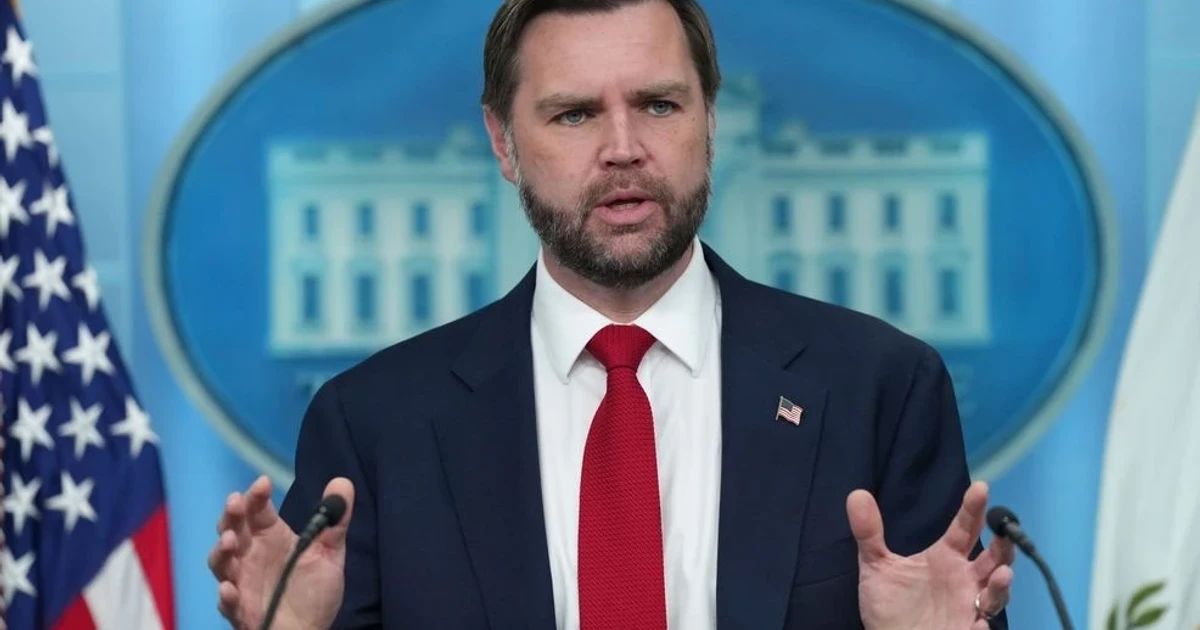
Trump’s warning of fresh strikes landed in the middle of a delicate diplomatic opening in Switzerland, where JD Vance sat down with Iranian officials to try to extend a shaky interim peace process. At the Bürgenstock Resort near Lake Lucerne in Obbürgen, the first face-to-face meeting under the new arrangement unfolded as Vance said the United States wanted to “turn over a new leaf” with Iran, even as Trump said he would “hit Iran very hard again” if Tehran did not stop its proxies in Lebanon.
The talks brought together two senior Iranian figures, parliamentary speaker Mohammad Bagher Qalibaf and Foreign Minister Abbas Araghchi, along with mediators from Pakistan and Qatar. Their task was not limited to stopping the fighting. The negotiators were working through the details of an interim agreement intended to end the Iran war and set boundaries for Iran’s nuclear program, a file that remains at the center of the confrontation between Washington and Tehran.
The Swiss meeting came after a week of turbulence that had already tested the process. The talks had been delayed, and renewed fighting tied to Israel and Hezbollah in Lebanon has made the diplomatic track harder to sustain. Trump’s public threat sharpened the central contradiction of the moment: the United States was negotiating under the banner of peace while its president was warning that military action could resume if Iran did not comply.
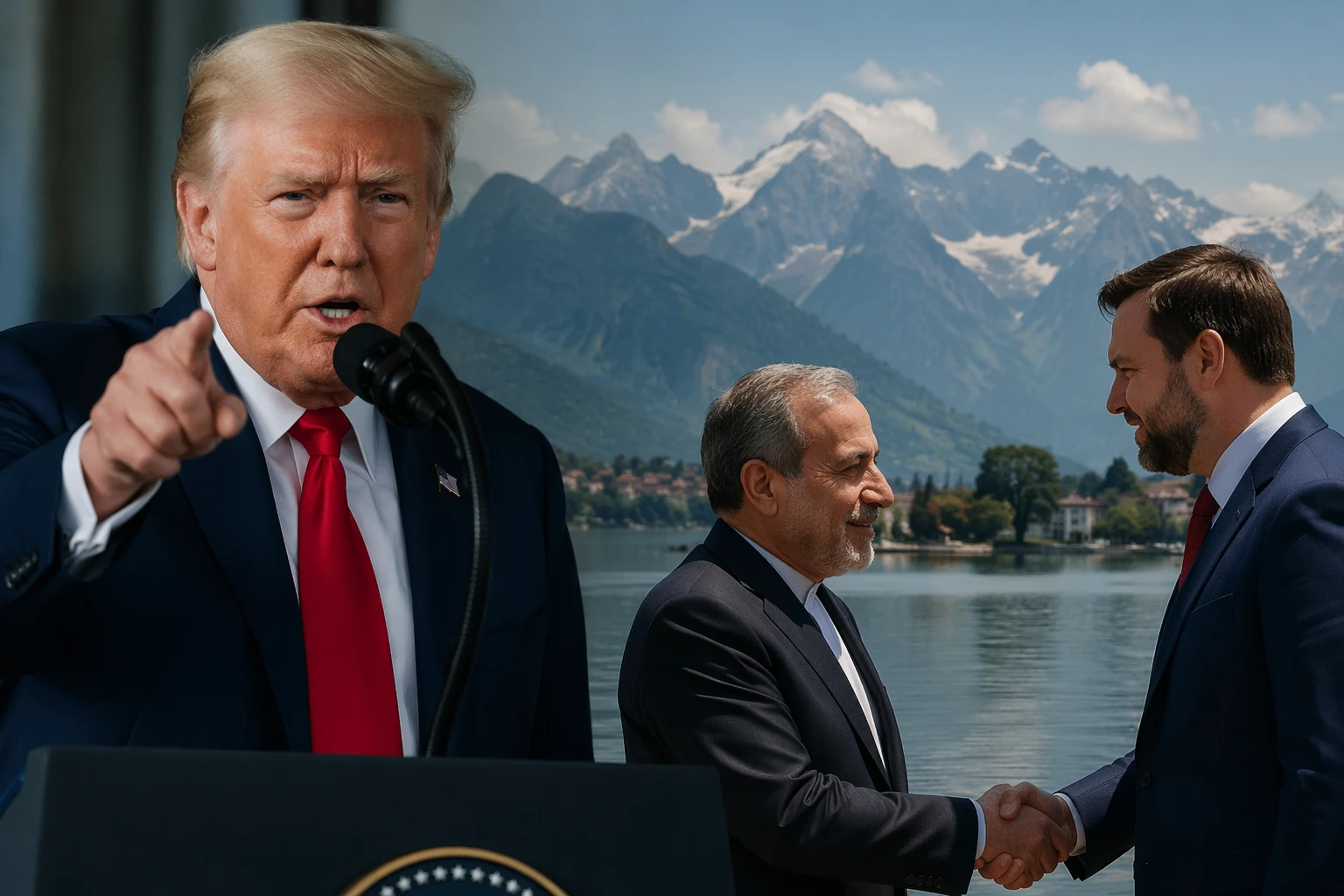
That tension is especially acute because the current process is so new. Trump and Iran’s lead negotiator digitally signed a preliminary agreement on June 14, 2026, setting up a formal ceremony in Switzerland and a 60-day negotiation window. The deal was meant to create room for a broader settlement, but every new escalation now threatens to shrink that space before it can be used.
The pressure increased further after Iran announced it had again closed the Strait of Hormuz, the chokepoint for a large share of global oil traffic. U.S. officials said commercial vessels continued operating, but any disruption in the waterway would ripple through energy markets and shipping costs far beyond the Gulf. For now, the talks in Obbürgen are testing whether threat can strengthen leverage without breaking the diplomacy it is meant to support.
Sources
- [1]npr.org
- [2]apnews.com
- [3]bozemandailychronicle.com
- [4]cw39.com
- [5]cnbc.com
- [6]time.com