World
Trump threatens renewed strikes as Iran ceasefire deal nears signing
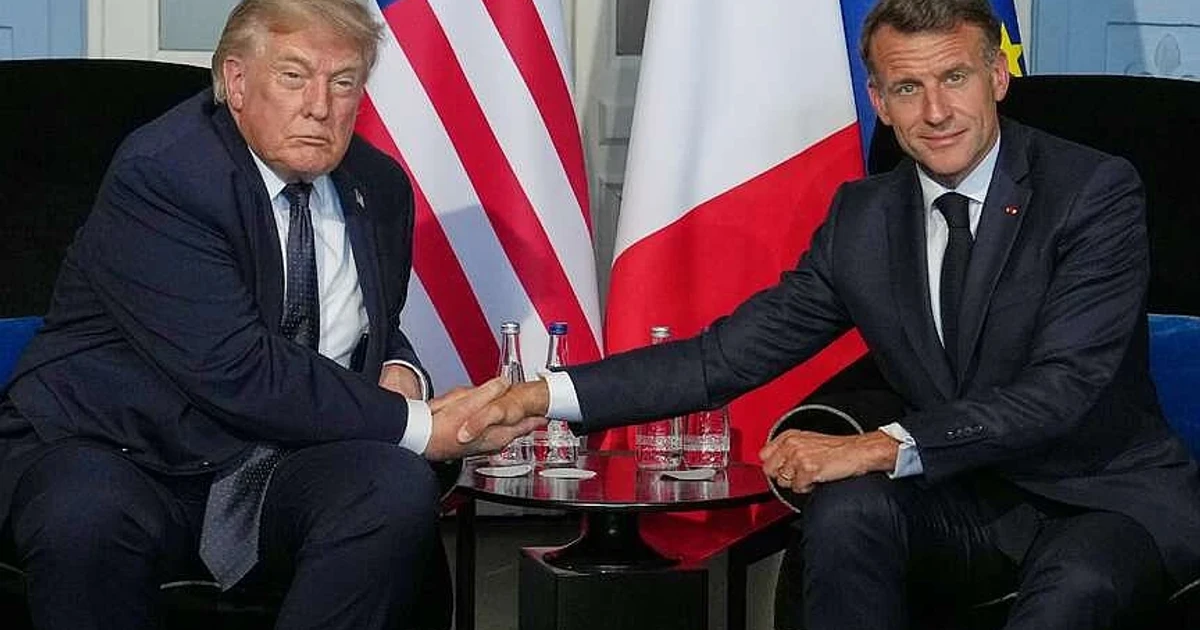
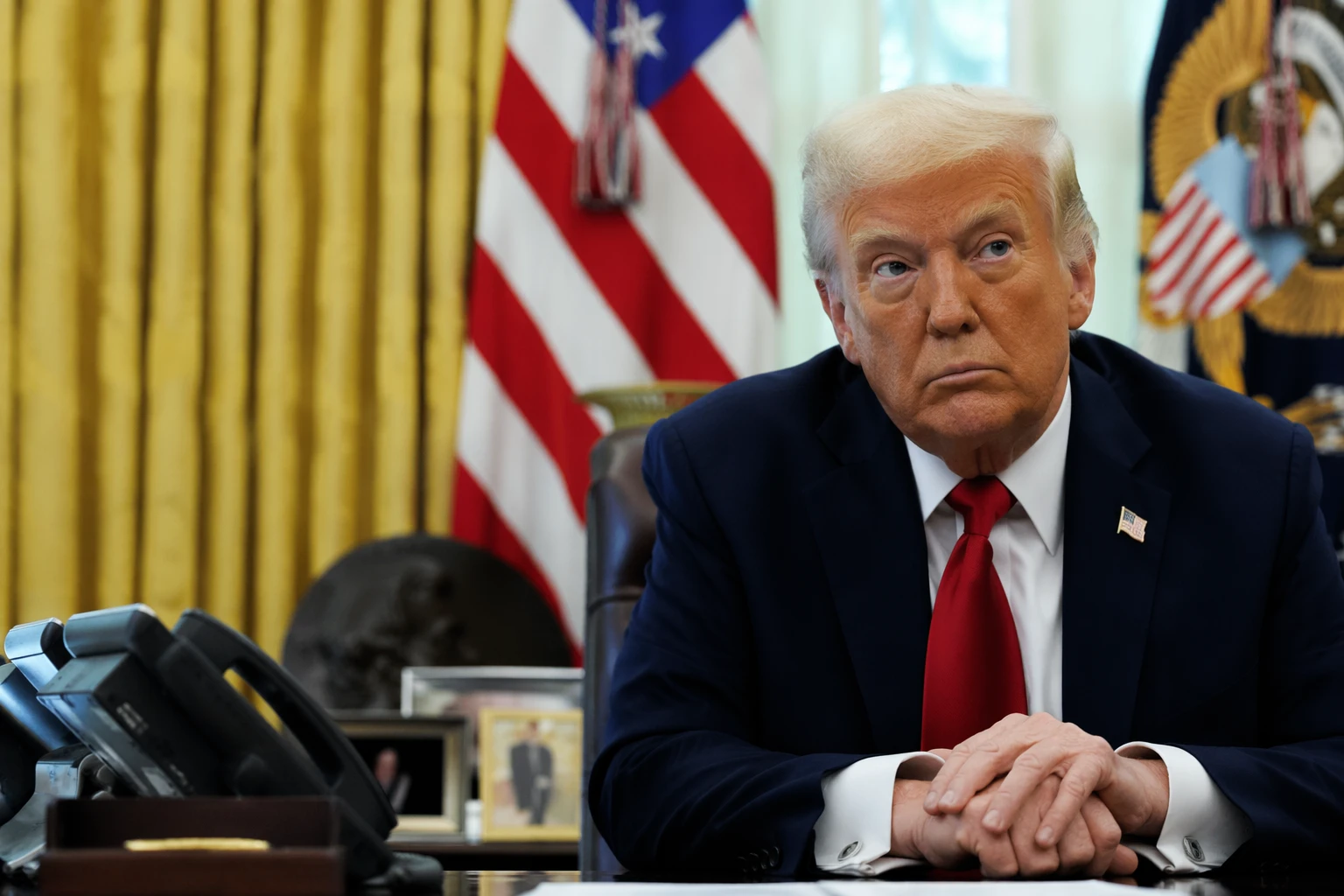
The emerging Iran ceasefire carried two messages at once: a diplomatic opening welcomed by allies, and a threat of renewed U.S. bombing if Donald Trump decided the terms were unacceptable. Hours after Group of Seven leaders called the agreement a “breakthrough,” Trump said the United States would “go right back to dropping bombs” if he did not like the preliminary deal.
The agreement remains only a memorandum of understanding, not a final treaty, and its durability will depend on the next round of talks. Officials said a formal signing was expected Friday, June 19, in Geneva, with Vice President J.D. Vance likely to represent the United States if Trump stays away. The pact is meant to end military operations, reopen the Strait of Hormuz and buy 60 more days of negotiations over Iran’s nuclear program and sanctions relief.
The deal follows more than three months of war that began with joint U.S.-Israeli strikes on Iran in February 2026. At the G7 summit in Évian-les-Bains, France, Trump used the agreement to project confidence even as he kept the threat of force on the table. He also said the U.S. naval blockade of Iranian ports would end and that the Strait of Hormuz would be fully open by Friday, a claim with immediate consequences for one of the world’s most important energy routes.
Markets moved fast. Brent crude fell about 4% in early trading Monday after the announcement, while West Texas Intermediate futures dropped to around $80 a barrel as traders weighed the prospect of resumed shipping through Hormuz. The reaction underscored how much of the global oil market remains exposed to the conflict and to the possibility that the ceasefire could unravel before it is signed.
Regional diplomacy also advanced quickly. Pakistan’s Prime Minister Shehbaz Sharif announced that the agreement had been reached after serving as a mediator, while Iranian officials said the ceasefire would become permanent starting Monday night. Iran’s deputy foreign minister, Kazem Gharibabadi, said the broader talks would address sanctions relief. Israel, which said it was not party to the U.S.-Iran talks, had not immediately reacted.

The United Kingdom, France, Germany and Italy called the pact a “moment of opportunity” for regional stability and the global economy. The four governments said Iran must never acquire a nuclear weapon and that freedom of navigation through Hormuz must be restored, while signaling that sanctions could be lifted if Tehran takes clear and verifiable steps on its nuclear program. That balance of incentives and pressure now faces its first test in Geneva.
Sources
- [1]nytimes.com
- [2]al-monitor.com
- [3]cnbc.com
- [4]wprl.org
- [5]reuters.com