World
Trump threats disrupt US-Iran talks in Switzerland over deal details
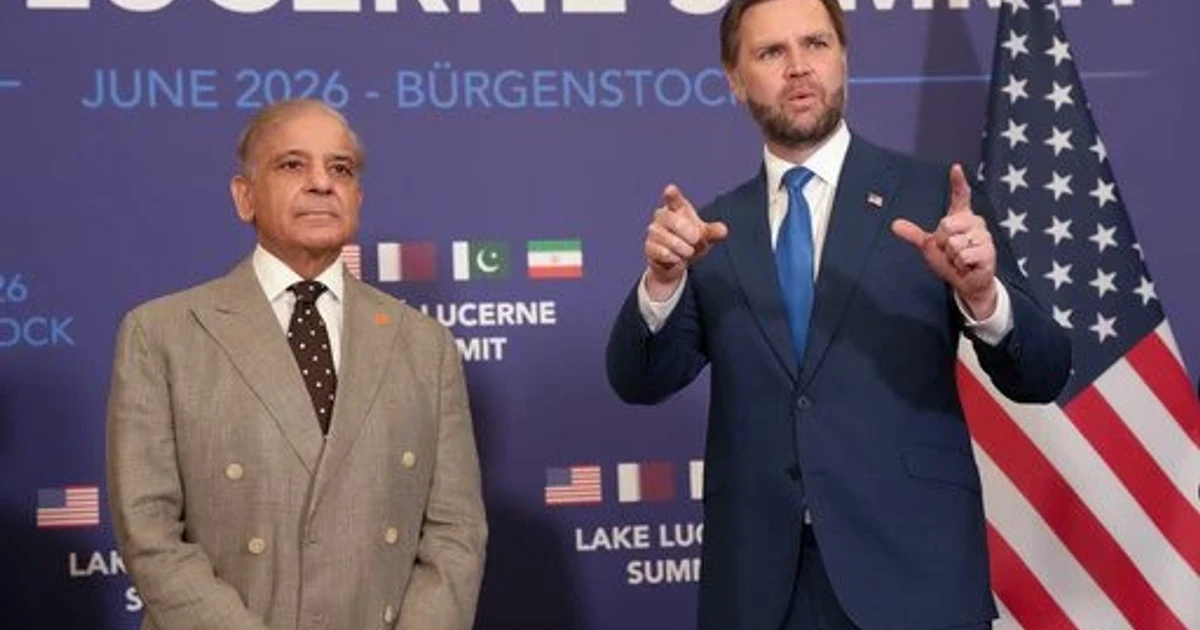
Trump’s threats to hit Iran again hung over the Swiss talks from the start, raising the stakes as U.S. and Iranian negotiators met at the Bürgenstock resort near Lucerne to work through the deal’s most technical disputes. JD Vance led the U.S. delegation, joined by Jared Kushner and Steve Witkoff, while Mohammad Bagher Qalibaf and Abbas Araghchi headed the Iranian side. Pakistan and Qatar served as mediators as the two sides entered a 60-day sprint to settle the memorandum of understanding signed the previous week.
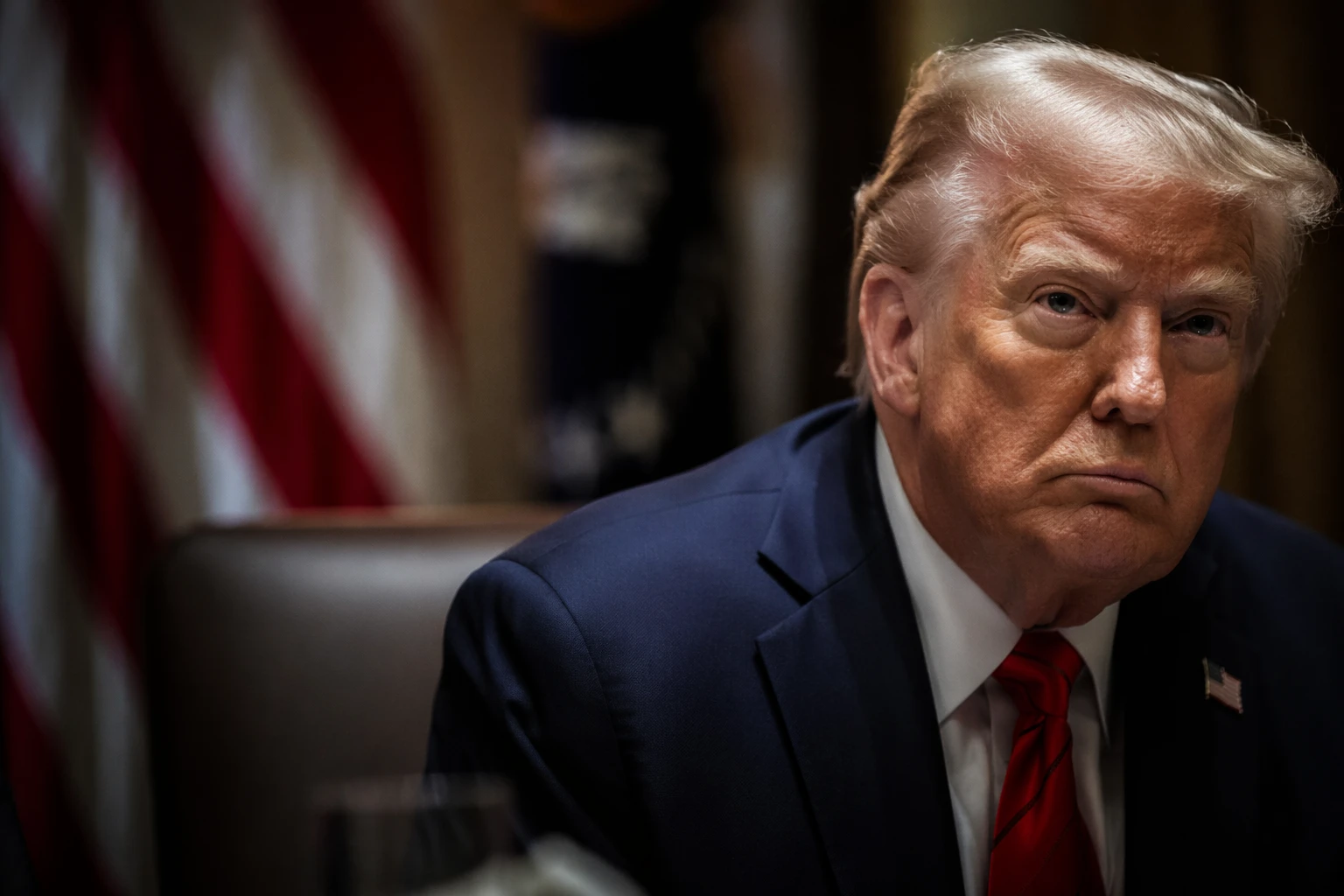
The rhetoric sharpened the pressure around the table. Trump said Iran should stop its “highly paid proxies” in Lebanon and warned that the United States would hit Iran again if the fighting continued. He also threatened to restart the war and, in a Fox News interview cited in reporting from Reuters, warned Iran that if it closed the Strait of Hormuz, “you won’t have a country.” Tehran bristled at the comments even as the talks were meant to hold together a fragile pause in fighting.
The real sticking points were concrete: frozen Iranian assets, oil-related sanctions and waivers, Lebanon, and Iran’s nuclear program. A senior U.S. diplomat said negotiators expected to work through the night, with discussion centered on mechanisms to keep the Strait of Hormuz open and enforce the ceasefire in southern Lebanon. Iran said it had again closed the strait over Israel’s campaign in Lebanon against Hezbollah, while the United States said commercial shipping continued through the waterway. For both governments, that gap underscored how much the talks depended on trust that remains thin.
Iran’s delegation said Lebanon dominated the early discussions, but it also pushed hard on economic relief. Hamid Bovard, the chief executive of the National Iranian Oil Co. and part of Iran’s team, said the lifting of oil-related sanctions and associated waivers was part of the negotiations. That matters far beyond the diplomats’ hotel, because sanctions relief would shape Iran’s access to oil revenue, while any breakdown in the strait’s security would threaten shipping routes and regional stability.
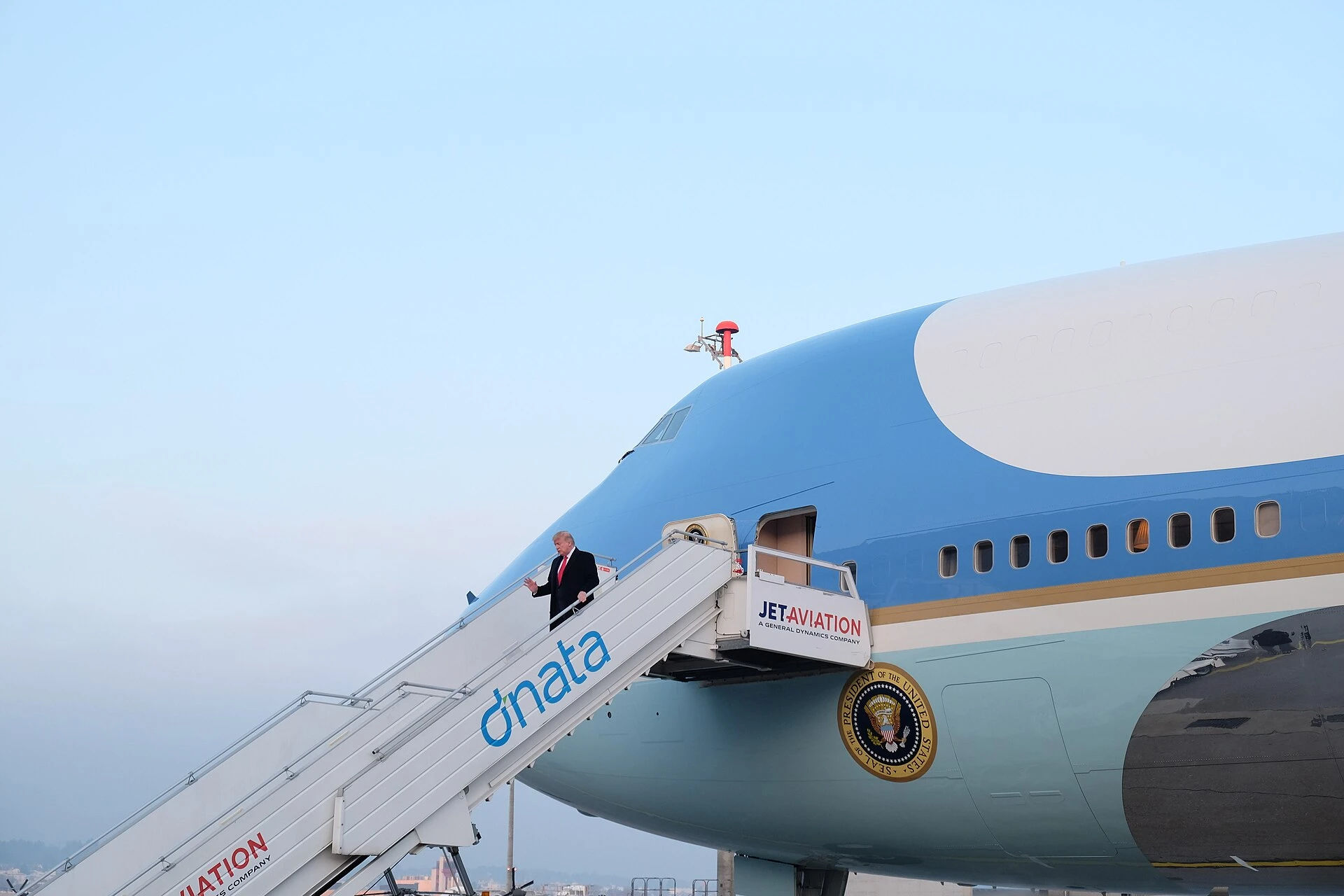
By the end of the first round, the mediators said the atmosphere was positive and constructive, and that both sides had agreed on a roadmap for further technical talks. Araghchi said the talks had made “major progress.” Reported follow-on steps included a High Level Committee, working groups on nuclear issues, sanctions, and monitoring and dispute resolution, plus a communication line to avoid incidents in the Strait of Hormuz and a de-confliction cell to help enforce the Lebanon ceasefire. Switzerland said it was providing a discreet and reliable setting, drawing on its longstanding role as a protecting power for U.S. interests in Iran.
Sources
- [1]news.google.com
- [2]aol.com
- [3]cbc.ca
- [4]reuters.com
- [5]fdfa.admin.ch
- [6]dw.com