World
Trump ties health aid to data access, minerals, sparking pushback
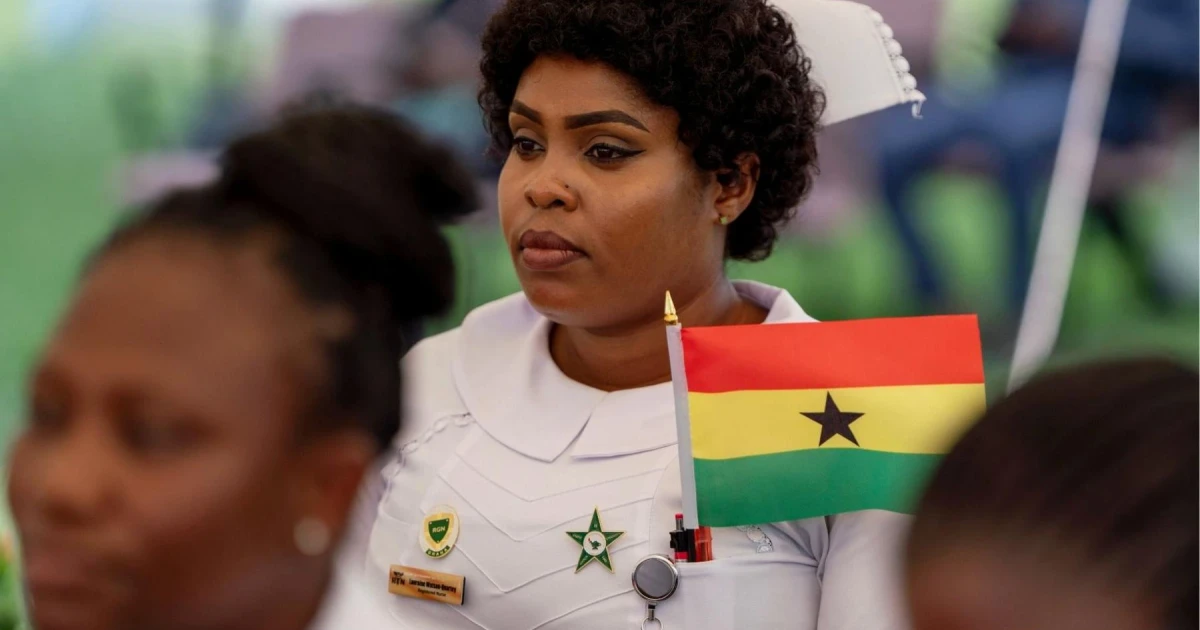
Zimbabwe rejected a U.S. health proposal in February 2026 over autonomy concerns, Ghana later turned down a similar deal over sensitive health data, and Zambia’s talks stalled after Washington sought mineral-rights access. The refusals have exposed the hard edge of Donald Trump’s America First Global Health Strategy, which pairs multi-year bilateral agreements and recipient-country co-investment with a push to cut reliance on aid intermediaries. The administration argues that direct deals with national governments will replace donor-NGO channels it says bred dependency and overhead, but for several African governments the bargain has looked like leverage, not partnership.
Trump’s foreign-aid reset began with his Jan. 20, 2025 executive order freezing aid for review. Four days later, the State Department said all U.S. foreign assistance funded by or through the State Department and USAID was paused, and by March 10 Marco Rubio said 83% of USAID programs had been cut, affecting about 5,200 contracts. USAID was later closed and the remaining programs transferred to the State Department, concentrating Washington’s control over a system that once spread across multiple agencies.
That power matters because PEPFAR has been one of the largest pillars of U.S. influence in Africa. Created by George W. Bush in 2003, the program has been credited with saving 26 million lives and helping 7.8 million babies be born HIV-free. The State Department says the U.S. has invested more than $100 billion in the global HIV/AIDS response, and PEPFAR has worked in more than 50 countries, with a 2024 fact sheet listing partners across 55 countries. In Africa, where a 2025 analysis said every country except Eritrea received U.S. aid in 2023, any change in terms reaches deep into national health systems.
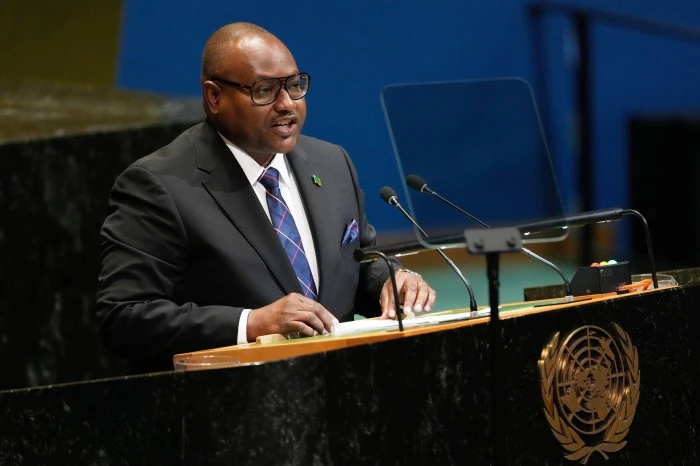
Trump has also folded health diplomacy into a broader shift from aid to trade. On July 9, 2025, he hosted the leaders of Liberia, Senegal, Gabon, Mauritania and Guinea-Bissau at the White House and cast the relationship as commercial rather than charitable, at a moment when mineral wealth, including manganese, iron ore, gold, diamonds, lithium and cobalt, was clearly in view. That same logic now runs through the health deals.
By July 6, 2026, one tracker said 33 countries had signed America First bilateral health MOUs, while a State Department-linked tally put the number at 32 agreements worth about $20.6 billion. The mismatch suggests a rollout still in motion, not a settled system. For governments in Zimbabwe, Ghana and Zambia, the central question is whether U.S. health aid will remain a tool for public health, or become a transaction that demands data, leverage or mineral access in exchange for life-saving support.
Sources
- [1]bbc.co.uk
- [2]state.gov
- [3]whitehouse.gov
- [4]kff.org
- [5]reuters.com