Politics
Trump ties spy powers extension to voting bill, risking FISA lapse
The government’s foreign-surveillance authority slipped into lapse as Congress failed to move a clean extension of Section 702, the law that lets U.S. intelligence agencies collect communications of foreign targets abroad without a warrant. The immediate operational effect was expected to be limited, but the expiration on June 12, 2026, injected legal uncertainty into intelligence work and left telecom companies exposed to fresh risk just as officials warned that national-security harm could follow.
The breakdown came after a series of failed stopgaps in Washington. Congress had reauthorized Section 702 in the Reforming Intelligence and Securing America Act on April 20, 2024, and set the next sunset for April 20, 2026. In the final stretch, the House rejected a short-term extension to July 2 by a vote of 198-218 on June 11, after previously passing a shorter renewal that would have kept the authority alive only until April 30. A Senate procedural vote to advance an extension also failed, 47-52, as the deadline approached.
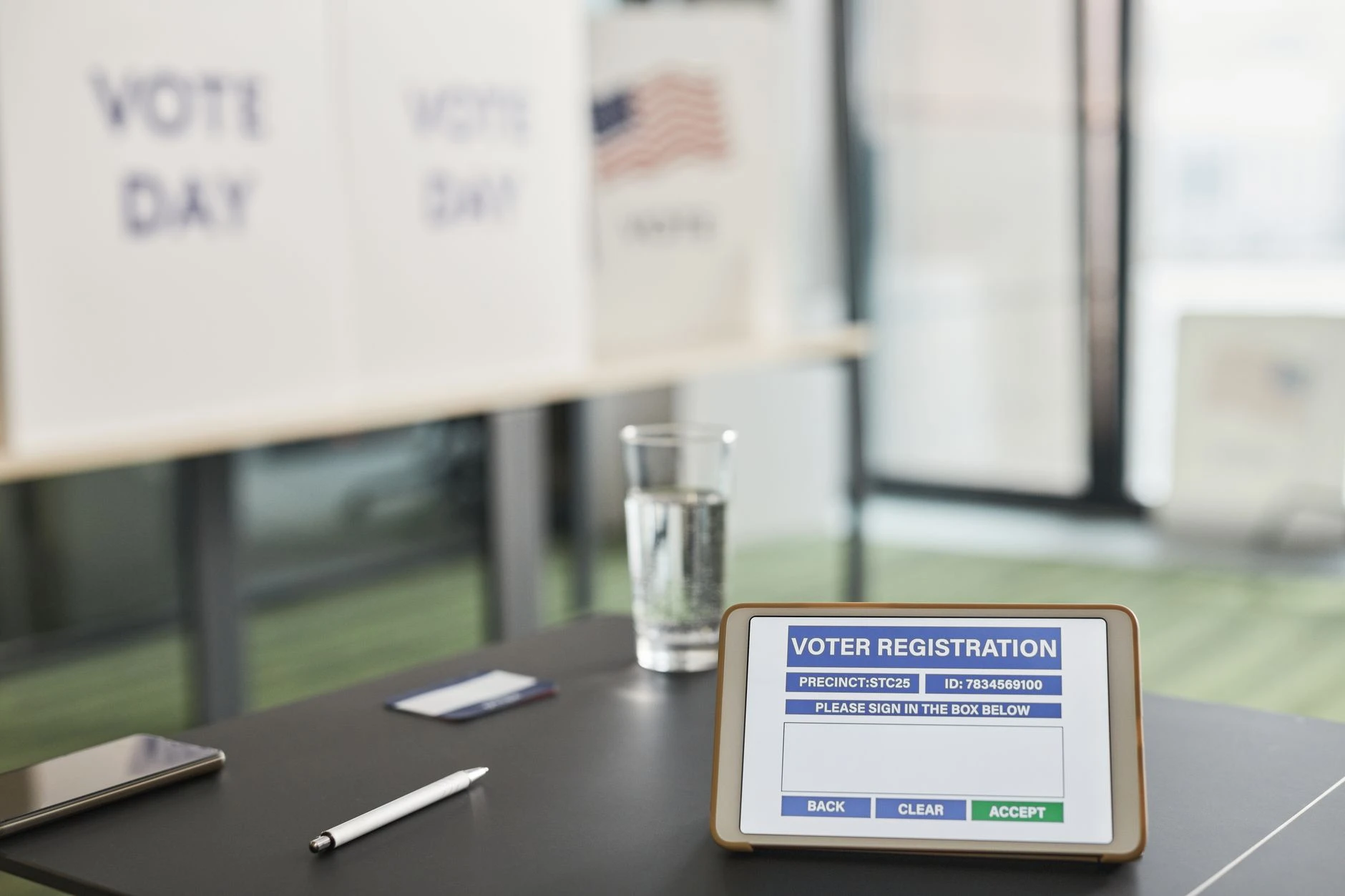
The fight hardened when Donald Trump tied the spy law to his SAVE America Act, the voting measure introduced in the House on January 30, 2026 as H.R. 7296. That bill would require documentary proof of U.S. citizenship to register to vote in federal elections and photo ID to vote in federal elections. By demanding that any FISA renewal include the voting bill, Trump turned a national-security renewal into a broader partisan test, forcing Republicans to decide whether to follow his demand or back a clean intelligence measure.
The standoff was intensified by Trump’s appointment of Bill Pulte, the head of the Federal Housing Finance Agency, as acting director of national intelligence. Democrats said they would not support reauthorization while Pulte remained in the intelligence role, arguing that Trump had injected politics into an issue that normally draws bipartisan handling. Some Republicans also objected, while House Speaker Mike Johnson met with Trump to discuss renewal as pressure mounted from intelligence hawks and civil-liberties advocates alike.
The broader dispute has shadowed Section 702 for years. Intelligence officials have argued that it is indispensable for collecting foreign intelligence abroad, while privacy and civil-liberties groups have focused on warrantless surveillance and the use of so-called backdoor searches involving Americans’ communications. For now, the lapse leaves one of the government’s central spying tools in limbo, with Congress having already lost the chance to renew it on its own terms.
Sources
- [1]news.google.com
- [2]axios.com
- [3]cbsnews.com
- [4]time.com
- [5]bloomberg.com
- [6]congress.gov