Politics
Trump tightens Pentagon waivers to boost domestic sourcing
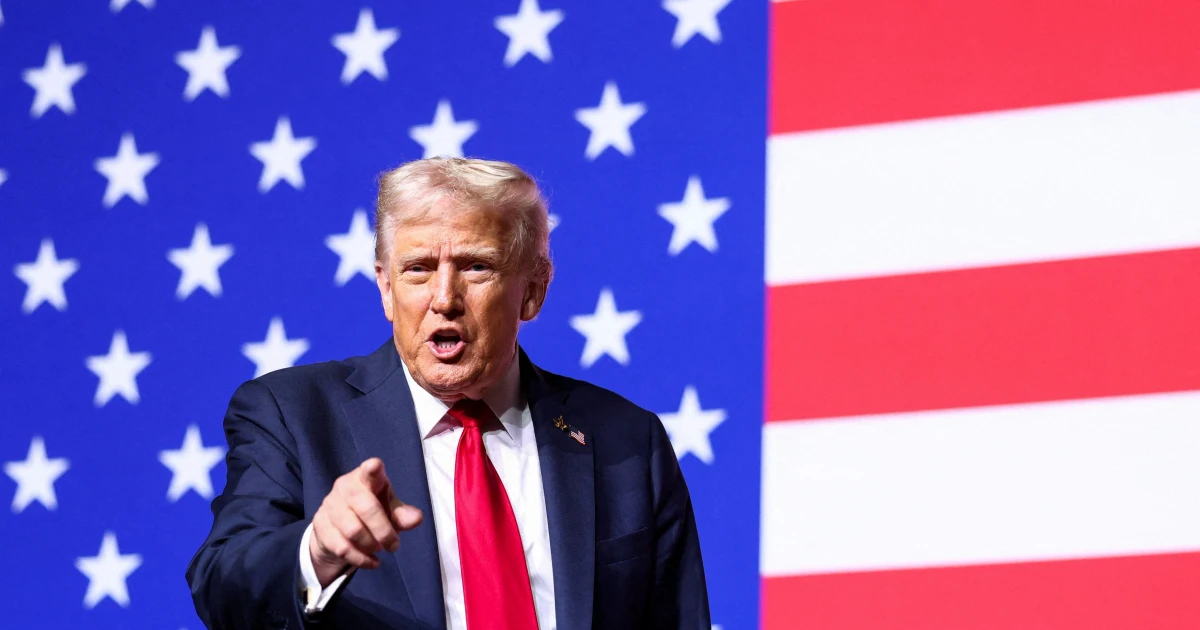
Donald Trump tightened Pentagon waiver rules on Monday, making it harder for defense contractors to bypass domestic sourcing requirements for critical materials, minerals and magnets. The White House paired the move with an order titled Securing America’s Defense Supply Chains and Ensuring Domestic Acquisition of Critical Materials, underscoring a push to steer military buying toward U.S. industry.
The order lands on top of existing Buy American restrictions. A February 14, 2024 Defense Department final rule generally raised domestic-content requirements for covered procurements to 65 percent of product cost when applicable, so the new step does not create a new framework so much as it narrows the escape hatches. Those waivers have long existed because Pentagon buyers need specialized parts quickly, at scale and sometimes at lower cost than U.S. suppliers can deliver.
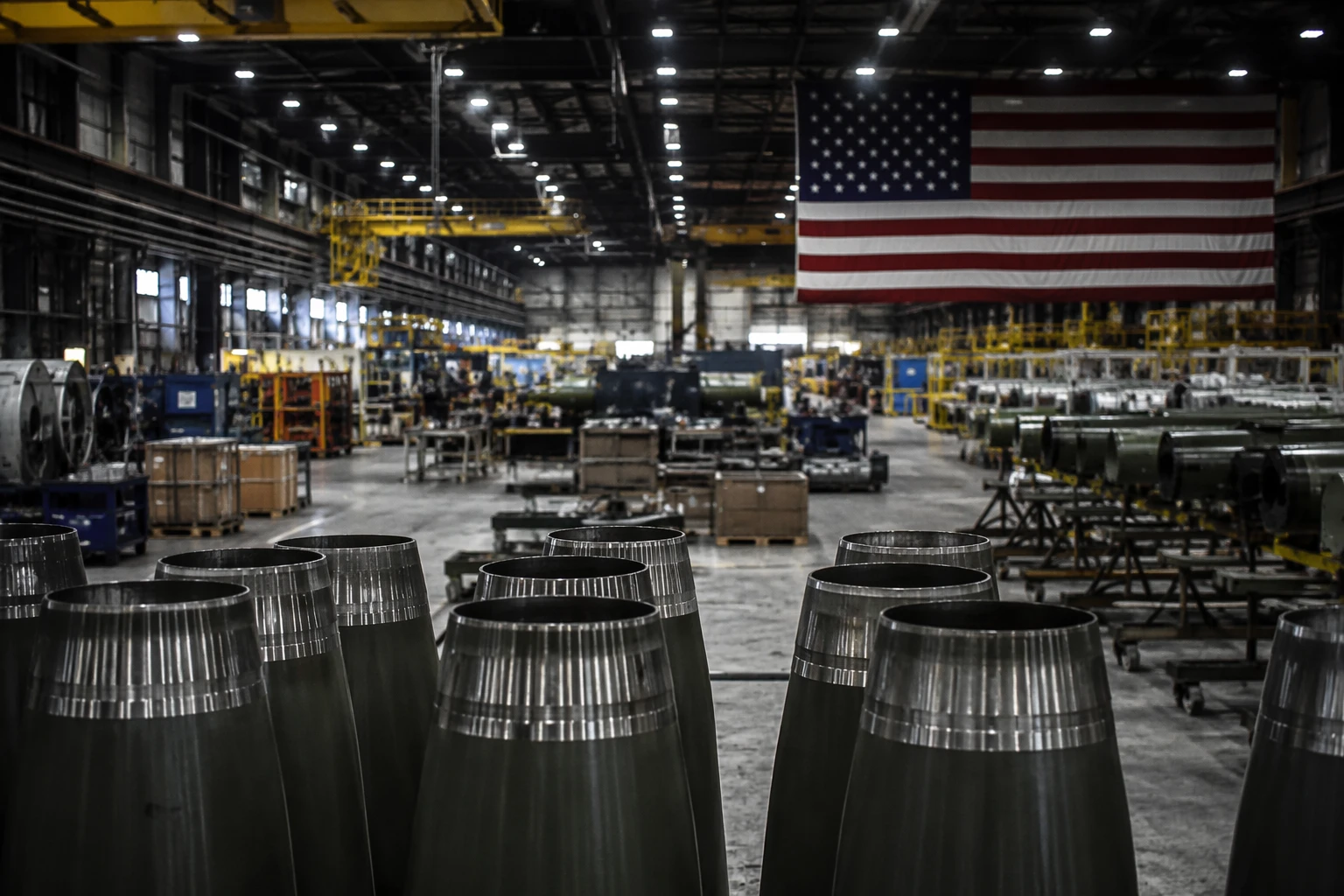
That tension is why the practical stakes are high for contractors supplying ships, aircraft, munitions and electronics. Materials from China and other prohibited foreign suppliers have remained embedded in parts of the defense supply chain, especially in upstream inputs that are difficult to replace overnight. The White House’s own materials say the COVID-19 pandemic exposed how fragile global supply chains can be, and that countries with dominant positions upstream can disrupt production downstream.
The administration has been moving on several related fronts in 2026, including actions tied to processed critical minerals, mineral production, coal supply chains, phosphorus and glyphosate-based herbicides. The Pentagon waiver move fits that wider pattern: use federal purchasing power to push more sourcing back to the United States and reduce dependence on strategically sensitive imports. That approach could strengthen domestic manufacturing over time if suppliers invest in new capacity, but it could also slow procurement and raise costs if U.S. producers cannot ramp up fast enough.

For defense contractors, the immediate burden is compliance. Companies seeking exceptions will face tougher scrutiny over whether domestic sources are truly unavailable before turning overseas. For the Pentagon, the test is more complicated: whether tighter waiver rules improve resilience without undercutting readiness, delaying deliveries or forcing the department to pay more for American-made inputs.
Sources
- [1]reuters.com
- [2]whitehouse.gov
- [3]acquisition.gov
- [4]cordatislaw.com