World
Trump tightens Venezuela pressure, revokes Chevron license and adds tariffs
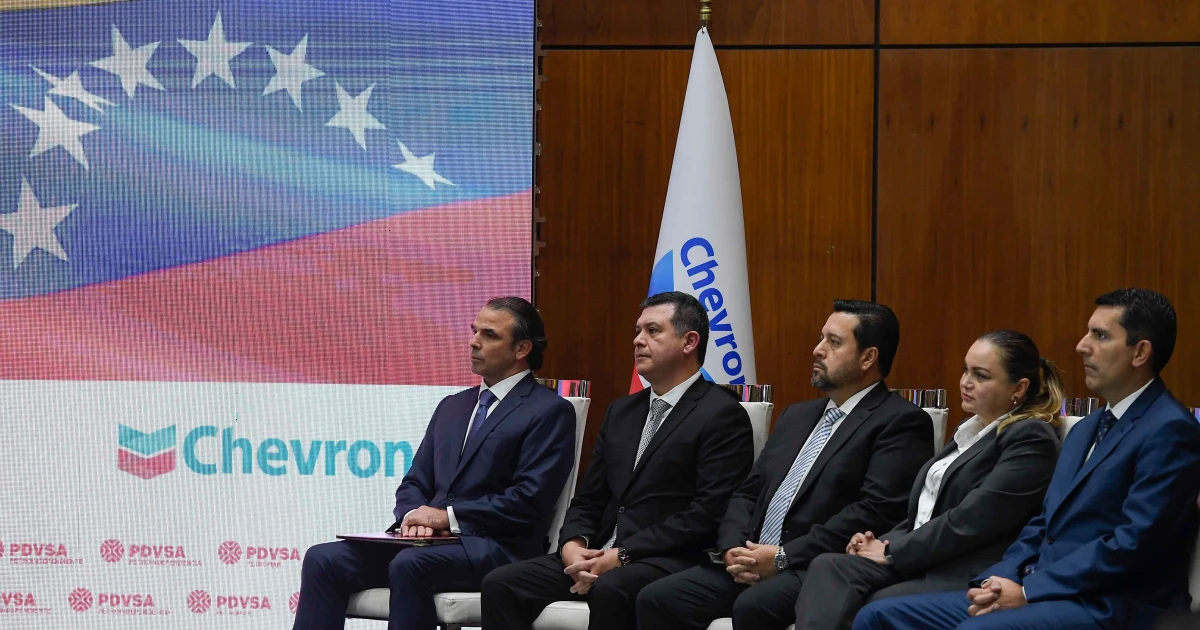
Marco Rubio’s Venezuela strategy has run through sanctions, license revocations and tariff threats, giving Washington a way to squeeze Caracas’ oil income without troops or direct rule. The sharpest blow targeted Chevron’s limited operations, a channel that had allowed the company to keep extracting Venezuelan natural resources under a U.S. sanctions waiver.
President Donald Trump said on February 26, 2025 that he would revoke Chevron’s Venezuela license, and the Treasury’s Office of Foreign Assets Control followed with General License 41B on March 24, 2025 to authorize an orderly wind-down of Chevron’s joint ventures. That decision ended a major source of oil revenue for Nicolás Maduro’s government and reversed the relief granted in November 2022, when the Biden administration issued General License 41 and let Chevron resume limited extraction in Venezuela as part of a sanctions-relief strategy tied to democratic reforms.
The pressure did not stop at the oil patch. In March 2025, the White House announced that a 25 percent tariff could be imposed on goods imported into the United States from any country that imports Venezuelan oil, turning Caracas’ exports into a risk for foreign buyers well beyond Venezuela itself. Rubio also warned on March 18, 2025 that Venezuela could face additional sanctions if it did not accept repatriated citizens, linking migration enforcement directly to the financial squeeze.
The State Department widened the campaign by casting Venezuela-linked crime as a security threat. It designated Tren de Aragua as a Foreign Terrorist Organization in February 2025 and sanctioned the group’s head and key members again on July 17, 2025, including Giovanni Vicente Mosquera Serrano and Héctor Guerrero Flores. The administration used that designation to tie the Maduro system to transnational violence and illicit networks, strengthening the case for more aggressive economic punishment.
Those moves landed against a disputed political backdrop. Venezuela’s presidential election on July 28, 2024 was contested by both Maduro and opposition candidate Edmundo González, and opposition leader María Corina Machado was briefly detained in Caracas after an anti-government rally in January 2025. Maduro then took the oath for a third six-year term on January 10, 2025, deepening the standoff with the Venezuelan opposition.
A Council on Foreign Relations analysis has argued that Washington is now controlling billions of dollars of Venezuelan oil revenue without clear public accountability mechanisms. That leaves Rubio’s influence potent but legally and politically fragile, built on sanctions, licensing power and trade penalties that can be tightened or relaxed from Washington as quickly as they were imposed.
Sources
- [1]nytimes.com
- [2]ofac.treasury.gov
- [3]whitehouse.gov
- [4]state.gov
- [5]home.treasury.gov
- [6]congress.gov
- [7]cfr.org
- [8]cbsnews.com
- [9]cnbc.com