US News
Trump to Become First President with Signature on U.S. Currency
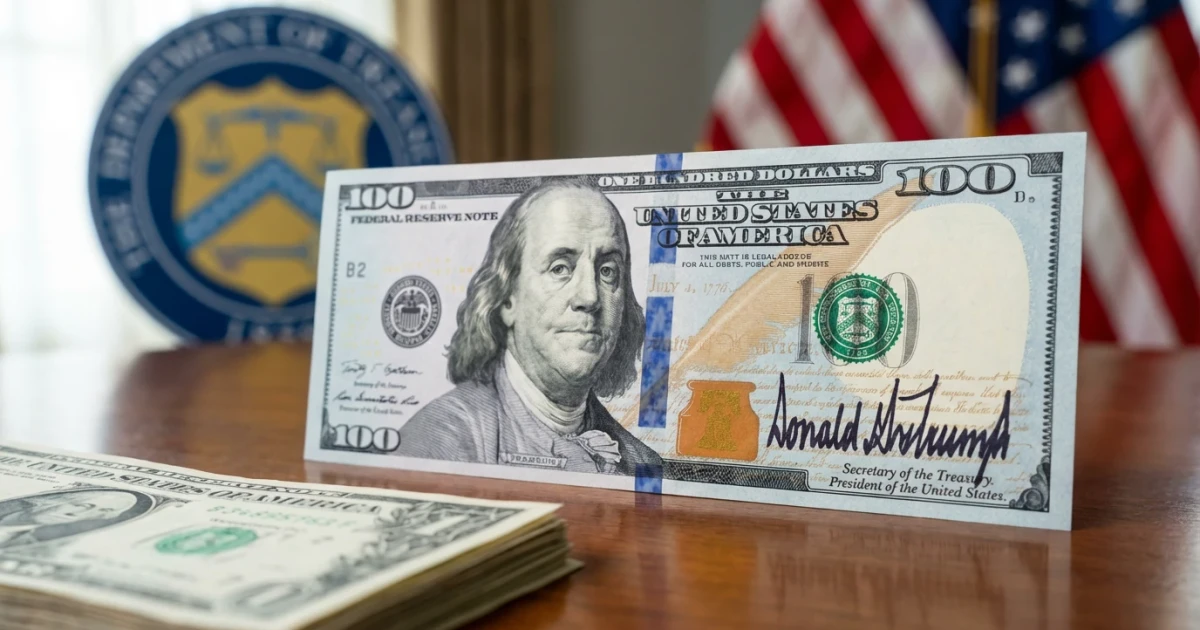
Donald Trump is set to become the first sitting U.S. president to have his signature appear on American paper currency, according to multiple reports from Al Jazeera, The New York Times, Bloomberg, and Vanity Fair. This unprecedented move marks a significant departure from longstanding tradition, with implications for both the symbolism and history of U.S. money.
Breaking a 165-Year Tradition
Historically, signatures on U.S. currency have been limited to those of the Secretary of the Treasury and the Treasurer of the United States. As explained in the Federal Reserve's official FAQ, this convention has remained in place since the 19th century. Trump's signature marks the first time a sitting president’s name will appear on U.S. notes since the introduction of standardized currency signatures following the Civil War.
Both Bloomberg and The New York Times report that the decision upends a precedent that has lasted for over 165 years. According to Vanity Fair, the move required a procedural change and overrides a tradition meant to preserve the nonpartisan appearance of U.S. legal tender.
How Currency Signatures Are Chosen
Typically, the Bureau of Engraving and Printing (BEP) is responsible for the production of U.S. currency and the inclusion of official signatures. The Bureau of the Fiscal Service handles the regulations that have, until now, reserved this space for Treasury officials. Al Jazeera highlights that this tradition was originally intended to separate the presidency from direct association with the nation’s money supply.
According to the Federal Reserve Bank of St. Louis’s historical database, every note in recent history has been signed by the Secretary of the Treasury and the Treasurer, never by a sitting president. Trump’s addition will be a first in the modern history of U.S. paper currency.
Reasons and Reactions
While official statements from the administration have been limited, all four news outlets emphasize the symbolic weight of the change. Bloomberg notes that the Trump administration has portrayed the signature as a way to underscore the president’s hands-on approach to government and economic matters. Vanity Fair reports that the addition is expected to be both celebrated and criticized, reflecting ongoing political divisions.
Al Jazeera points out that this move may be seen as an effort to solidify Trump’s legacy and personal brand, especially given his well-known fondness for bold, visible gestures. The New York Times adds that the decision comes as the Treasury prepares for new print runs, meaning the first notes bearing Trump’s signature could enter circulation later this year.
What Will Change for U.S. Currency?
- The Secretary of the Treasury’s and Treasurer’s signatures will remain on the left and right sides of the notes, respectively, with Trump’s signature added in a newly designated position.
- The change will affect all new notes produced after the implementation date, according to Bloomberg. Older notes will remain valid and unchanged.
- Collectors and the general public are expected to pay close attention to the first print runs featuring the president’s name, potentially making these bills sought-after items.
For readers interested in the technical details of U.S. currency design and signature changes, the Bureau of Engraving and Printing maintains an official record of such updates.
Historical Context
The practice of adding signatures to American currency dates back to the 1860s. As described in the U.S. Treasury’s history of paper currency, these signatures serve as an official endorsement of the note’s authenticity. Adding a president’s signature breaks with more than a century and a half of bipartisan tradition, where the executive remained at arm’s length from the nation’s money.
Looking Ahead
With Trump’s signature set to debut on forthcoming print runs, the move is likely to spark debate over the boundaries of presidential influence and the symbolism of American money. Whether the change will become a one-time exception or a new tradition remains to be seen, as public and institutional reactions continue to unfold in the coming months.