World
Trump to release broad US-Iran framework, key details still unresolved
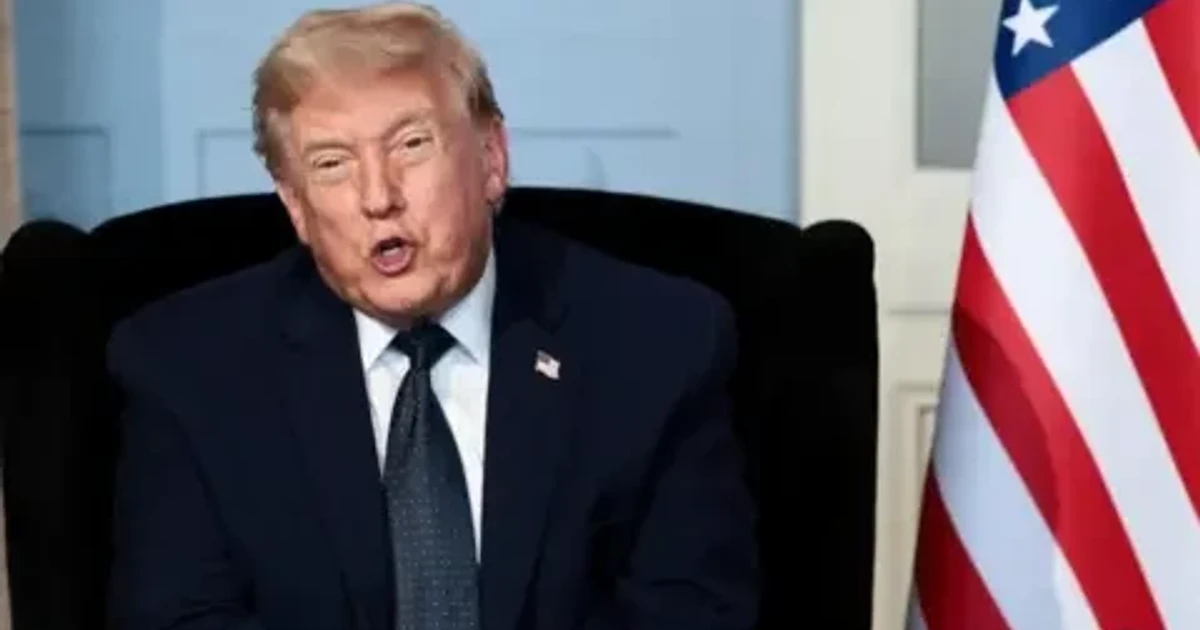
A U.S.-Iran agreement built on a page and a half of broad language is now a political event before its details are settled. Vice President JD Vance said U.S. officials electronically signed the document on June 15, 2026, and described it as a “very general” framework with “a lot” still left for technical negotiations.
The Trump administration expects to release the full text later this week. Vance said the agreement is not a final peace treaty, but a memorandum of understanding that sets up later talks on Tehran’s nuclear program and other unresolved issues. Trump has said he may release the text before Friday and may not attend the signing ceremony himself, even though Vance is expected to be present.
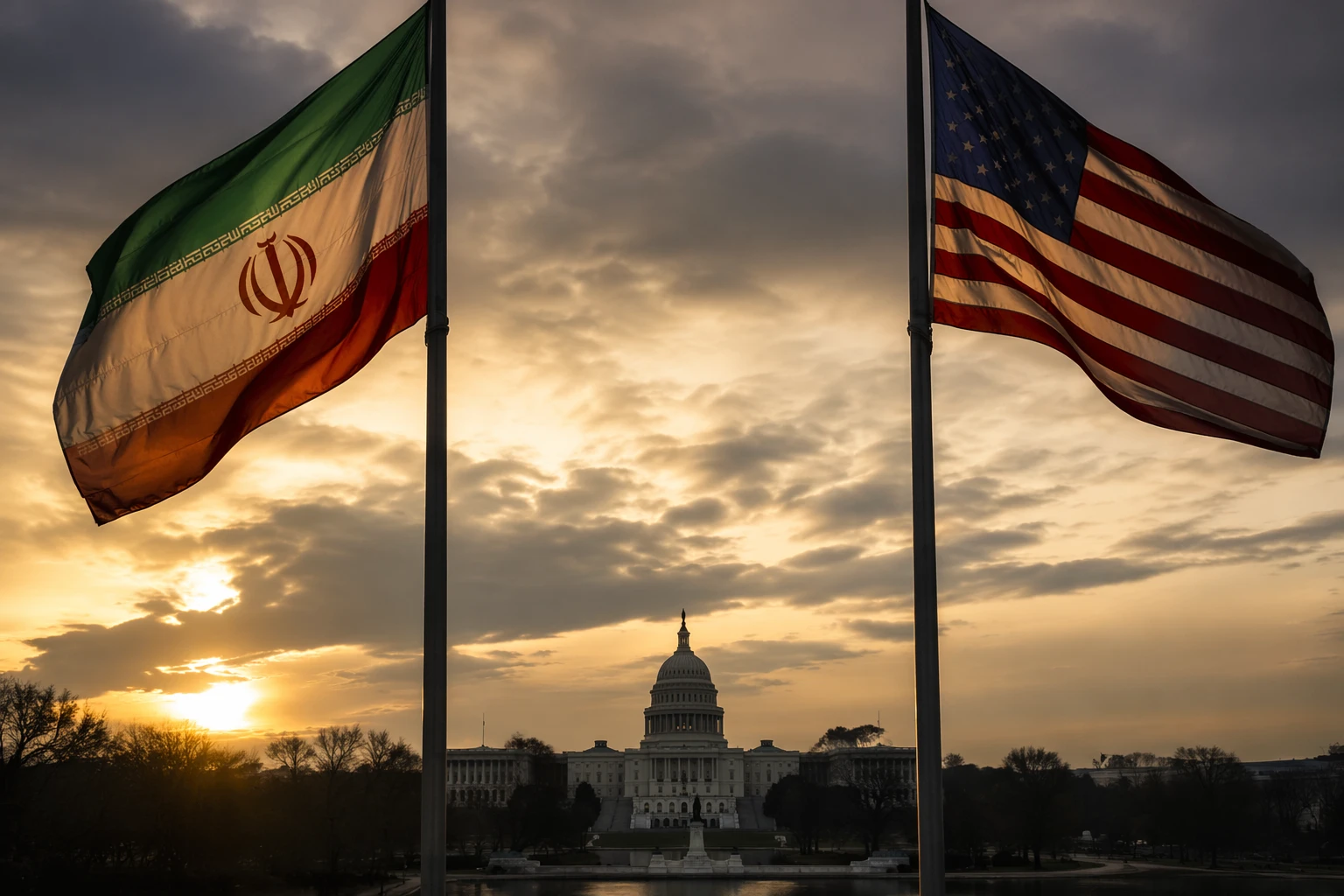
The in-person signing is expected on Friday, June 19, 2026, in Geneva, Switzerland. Reporting around the deal says the framework is tied to reopening the Strait of Hormuz and extending a ceasefire for 60 days, giving Washington and Tehran time to work through the hardest questions without locking them into a long treaty. The most consequential issue still on the table is Iran’s nuclear program, which is left for future negotiations.
The narrowness of the document is what makes it so consequential. World leaders in Europe and Japan welcomed the breakthrough after weeks of precarious talks and conflict that disrupted the Middle East and global markets. Some European governments have also signaled openness to lifting sanctions if Iran curbs its nuclear program, underscoring how quickly a short framework could begin reshaping diplomacy, trade and pressure on Tehran.
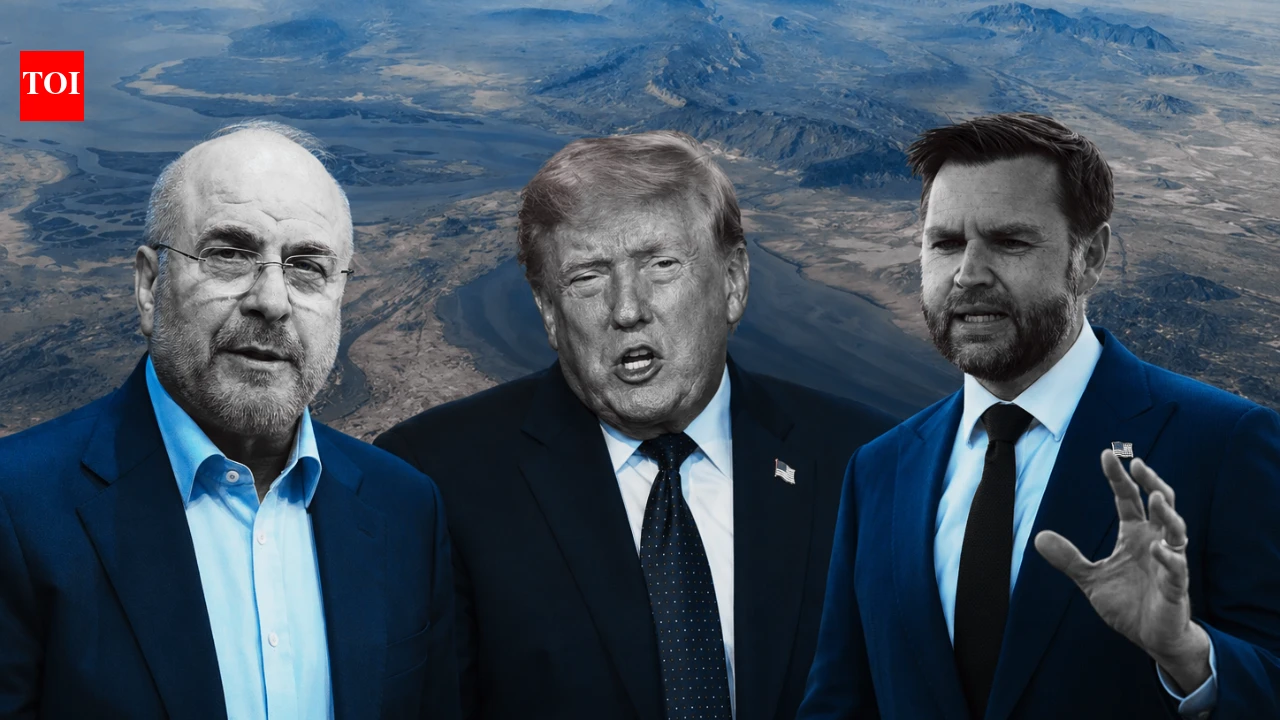
At the same time, the agreement is already facing skepticism because so much is unresolved. Iranian officials have said changes were still possible, and critics across the region say the document leaves key enforcement questions unanswered. Vance also rejected claims that Iran would receive billions of dollars in assets under the arrangement, saying no funds would be transferred to Tehran as part of the deal.
The framework carries added political weight because Trump has repeatedly attacked the Obama-era 2015 nuclear accord, the JCPOA. By pushing a far shorter, looser document, his administration is betting that a temporary structure can do what a fuller treaty might not: calm a volatile region, reopen a critical shipping lane and hold off a wider confrontation long enough for the next round of talks.
Sources
- [1]bbc.com
- [2]politico.com
- [3]cnbc.com
- [4]cbsnews.com
- [5]usatoday.com
- [6]forbes.com
- [7]reuters.com