Business
Trump to start USMCA exit clock, raising North America trade stakes
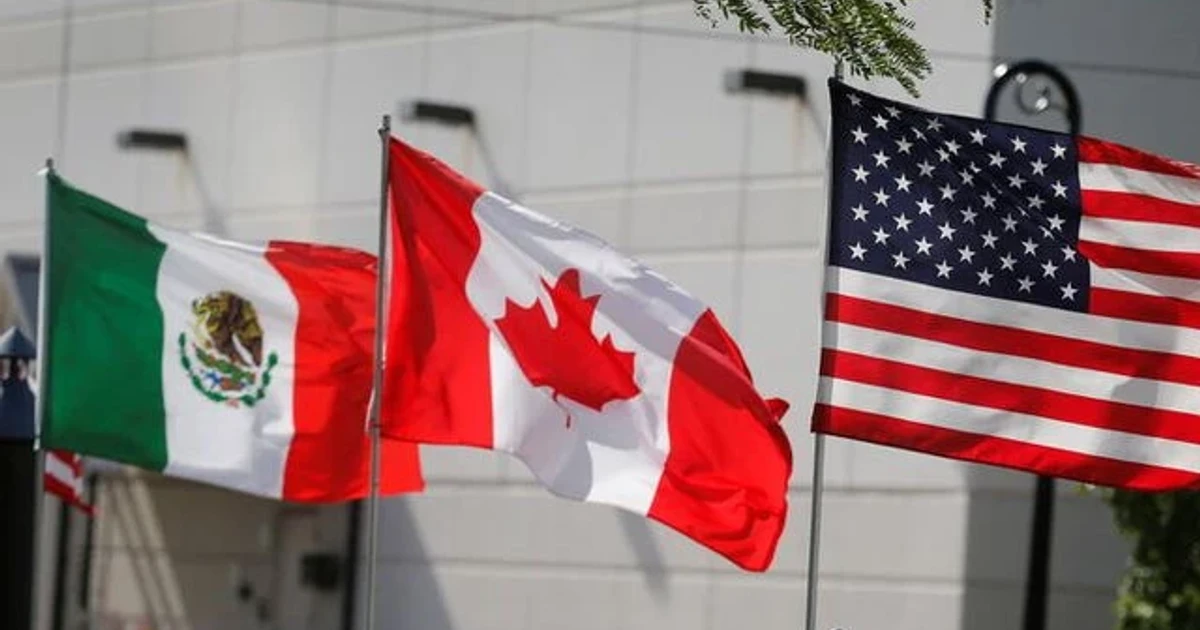
The Trump administration was expected on Wednesday to formally declare that it will not extend the U.S.-Mexico-Canada Agreement, a procedural move that would not end the pact immediately but would start a long countdown over North American trade rules. For manufacturers, farmers, border businesses and automakers, the point is not a sudden shutdown. It is the start of a clock that makes supply-chain planning more uncertain right away.
Under the treaty’s sunset process, the declaration would force the three countries into a review cycle over whether to keep the agreement in place with changes or let it drift toward expiration. If Washington, Mexico City and Ottawa do not agree on an extension, annual reviews would continue for 10 years, and the pact would expire on July 1, 2036. That timetable matters because the agreement still governs the cross-border flow of parts, crops and finished goods across the continent even as the politics around it harden.
The immediate policy dispute is familiar. Washington wants tougher U.S. and regional content requirements for North American auto production, a demand that could reshape where suppliers buy steel, electronics and components. The administration also wants protections to prevent Chinese goods from benefiting indirectly through the pact, a sign that trade talks are now being pulled into the wider economic rivalry with Beijing. Those issues go straight to the investment decisions made by automakers, shippers and warehouse operators that have spent years building cross-border production networks around the current rules.

U.S. Trade Representative Jamieson Greer has already scheduled a third round of negotiations with Mexico for the week of July 20, underscoring that the administration is using the sunset process as leverage rather than treating it as a routine renewal. A former USTR general counsel expects July 1 to pass without a U.S. confirmation that it wants to extend the agreement, though the administration’s precise objectives remain unclear.
The declaration would still leave the USMCA in force. It would not trigger the separate termination clause, which would let the United States, Mexico or Canada withdraw with six months’ notice. But by signaling that the current deal is no longer assumed to roll over automatically, Washington would make the next round of factory siting, farm contracts and border logistics decisions more expensive to commit to, exactly when companies are trying to price tariffs, Chinese competition and a more volatile political climate.
Sources
- [1]usnews.com