World
Trump touts Iran deal progress as White House tensions build
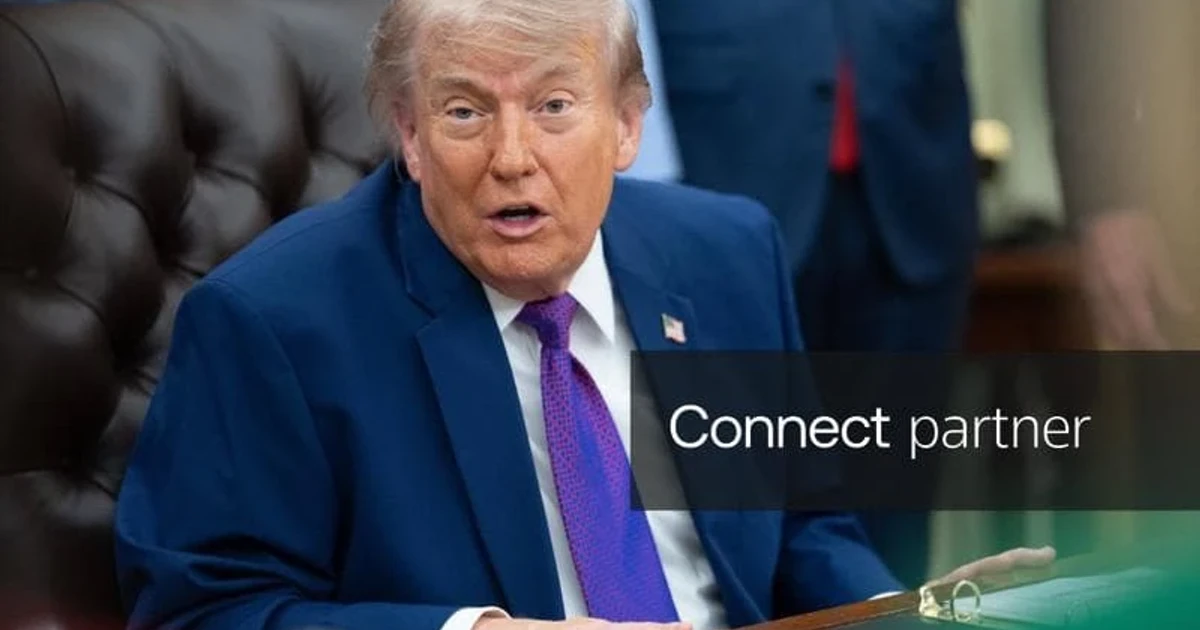
Trump used a maternal healthcare event in the Oval Office on May 11 to project confidence on Iran, telling reporters with JD Vance beside him that he had “the best plan ever” to end the war and calling Tehran’s response to the latest peace proposal “unacceptable.” The sharp language suggested hard bargaining, but it did not amount to a clear break in U.S. policy.
The deeper signal came in what followed. In the days after those remarks, the administration kept saying it was still pushing a U.S.-Iran framework, then said negotiations were moving at a “rapid pace” and later were “getting a lot closer” to an agreement. The White House gallery shows Trump signed a Memorandum of Understanding between Iran and the United States on June 17, and by June 21 the administration was describing the deal as “America First in Action.” That sequence points to movement in diplomacy, but not to a finalized peace treaty. It also suggests the administration was trying to balance a public show of progress with the reality of a crisis still shaped by sanctions and regional escalation.
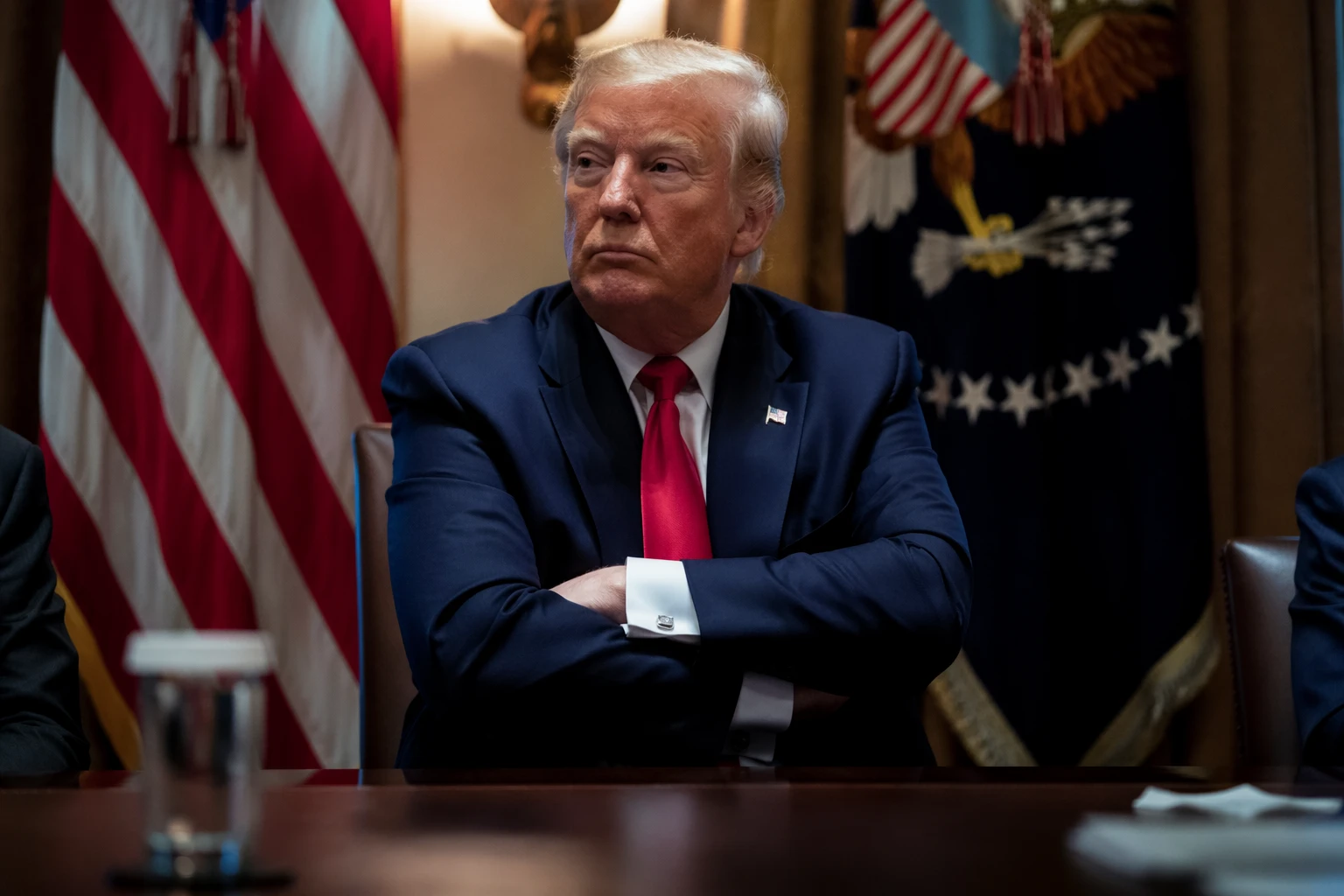
Trump’s comments on Israel and Britain hinted at tensions without showing a change in formal policy. Benjamin Netanyahu’s office said the Israeli leader spoke with Trump on June 11 about a proposed peace deal, and Trump later said Netanyahu would do “whatever I want him to do” on Iran. That line read more like a claim of leverage than a policy announcement. His criticism of Keir Starmer’s reluctance to get involved in the Iran war, and his questioning of the United Kingdom alliance, added to the sense of friction with a major ally, but did not alter the administration’s basic negotiating posture.
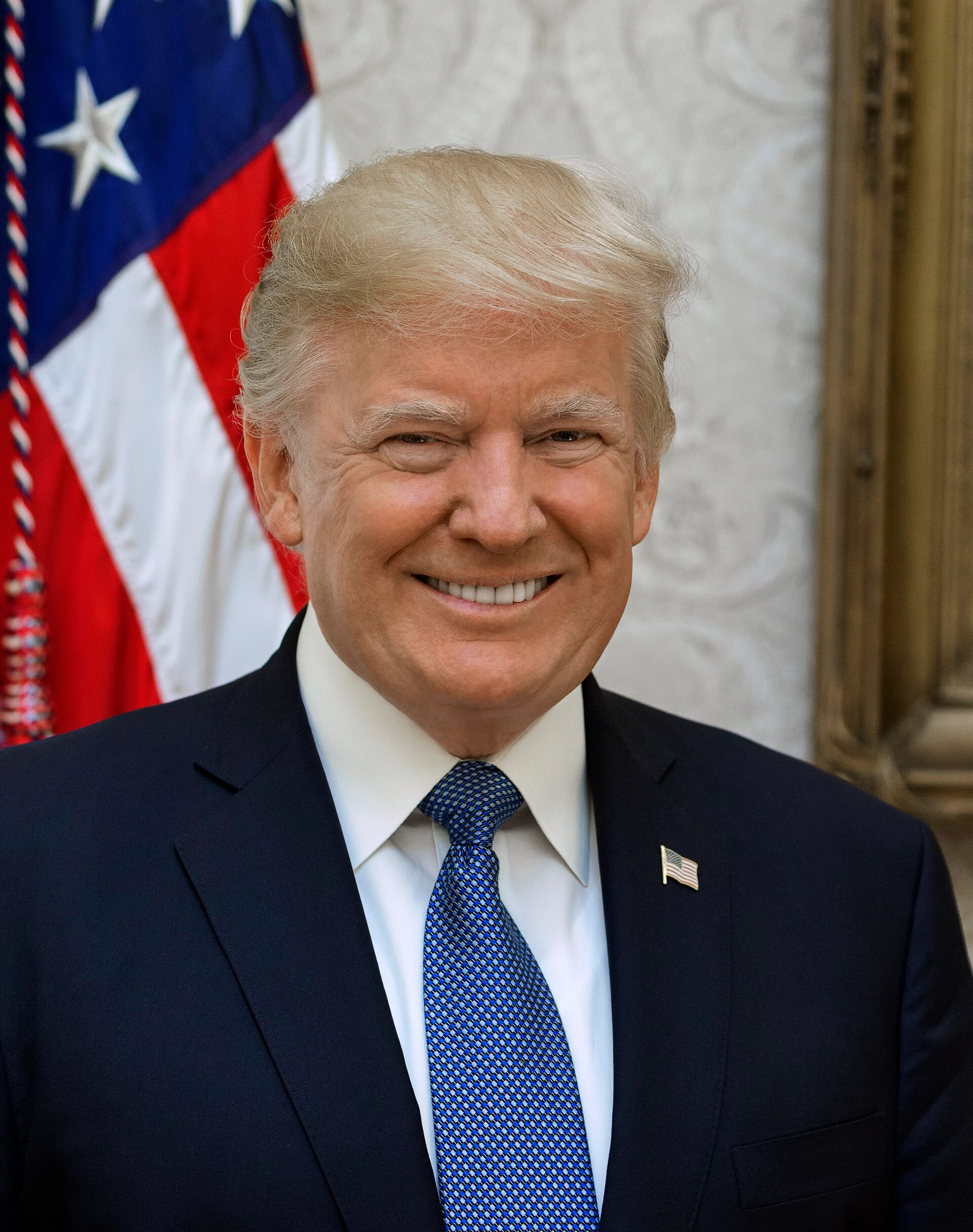
The pressure campaign around Iran remained active. The State Department said on June 5 it was targeting a network that had smuggled hundreds of millions of dollars’ worth of Iranian liquefied petroleum gas to South and East Asia, and on June 10 it sanctioned 13 individuals and entities in Iran, Belarus, China and Hong Kong tied to weapons procurement for the IRGC. The department has said U.S. restrictions on Iran have existed under various legal authorities since 1979, after the seizure of the U.S. Embassy in Tehran. Taken together, the rhetoric, the memorandum, and the sanctions show an administration still trying to force an outcome, not one that had yet changed course.
Sources
- [1]cbsnews.com
- [2]whitehouse.gov
- [3]state.gov