US News
Trump Unveils $700 Million Plan for Coal Plants and California Export Terminal
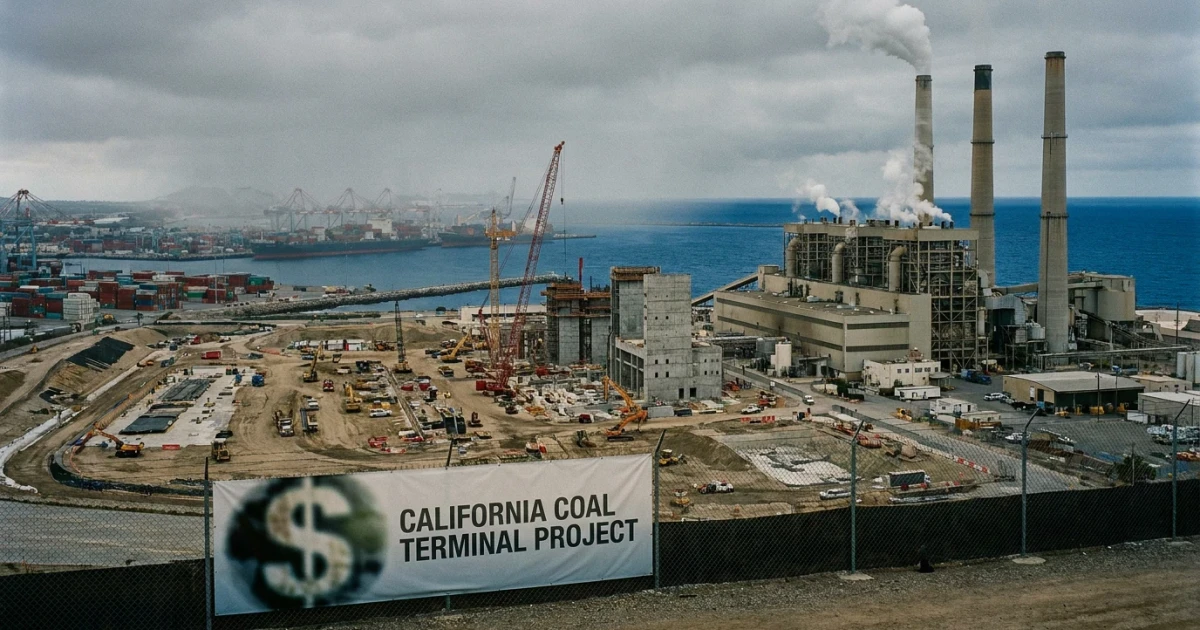
Donald Trump has announced a $700 million investment into the construction of new coal-fired power plants and a coal export terminal in California, a move that marks the first major U.S. commitment to new coal infrastructure in over thirteen years. The announcement, detailed by CBS News on June 4, 2026, signals a renewed push for coal energy amid ongoing debates over energy policy, climate change, and U.S. industrial competitiveness.
Details of the Proposed Investment
The plan includes funding for both the development of new coal-fired power plants—America’s first since 2013—and the construction of a large-scale export terminal on the California coast. According to CBS News, the investment is aimed at reviving domestic coal production and expanding export capacity to Asian and global markets.
- The $700 million package is expected to cover site development, plant construction, and the permitting process for the export terminal.
- The California export terminal would facilitate coal shipments to countries where demand remains robust, despite declining U.S. domestic consumption.
- This initiative follows a period of stagnation in new U.S. coal plant construction, with the last major plant completed in 2013, according to U.S. Energy Information Administration coal data.
Context: U.S. Coal Industry Trends
The announcement comes as the American coal industry faces ongoing headwinds from market forces and environmental regulation. Data from the EIA Annual Coal Report shows that U.S. coal consumption and production have steadily declined over the past decade, with natural gas, renewables, and energy efficiency measures eroding coal’s market share. Despite this, the U.S. remains a significant exporter, particularly to markets in Asia.
- Coal-fired generation accounted for less than 20% of total U.S. electricity production in recent years, per the EIA Electricity Data Browser.
- California itself generates less than 1% of its electricity from coal, with the state prioritizing renewables and natural gas, as recorded by the California Energy Commission.
California Export Terminal: Strategic and Regulatory Hurdles
Trump’s plan to establish a coal export terminal in California is likely to face significant regulatory scrutiny. California’s aggressive climate policies, overseen by the California Air Resources Board, have driven the state to phase out coal use and reduce greenhouse gas emissions. Previous attempts to build or expand coal export terminals on the West Coast have encountered legal challenges and fierce local opposition.
Official filings for such projects can be tracked through the Federal Register’s coal export terminal records, which document public comments, regulatory reviews, and litigation history.
National and Global Implications
The proposed investment comes at a time when global coal markets are shifting. The International Energy Agency’s Coal 2023 Report notes that while some countries are reducing coal reliance, demand remains strong in parts of Asia. Trump’s initiative appears designed to capitalize on these markets, positioning the U.S. as a key supplier even as domestic consumption wanes.
Analysts say the move could energize coal-producing regions economically but would likely reignite debate over the balance between energy security, jobs, and environmental stewardship.
What Comes Next?
Trump’s announcement sets the stage for a contentious period of permitting and political debate. With California’s stringent environmental standards and a national focus on the clean energy transition, the fate of these projects is uncertain. Stakeholders across the energy sector, environmental advocacy, and international trade will be watching closely as the plan advances through regulatory and market hurdles.