US News
Trump Urges NATO and China to Protect Oil Shipments
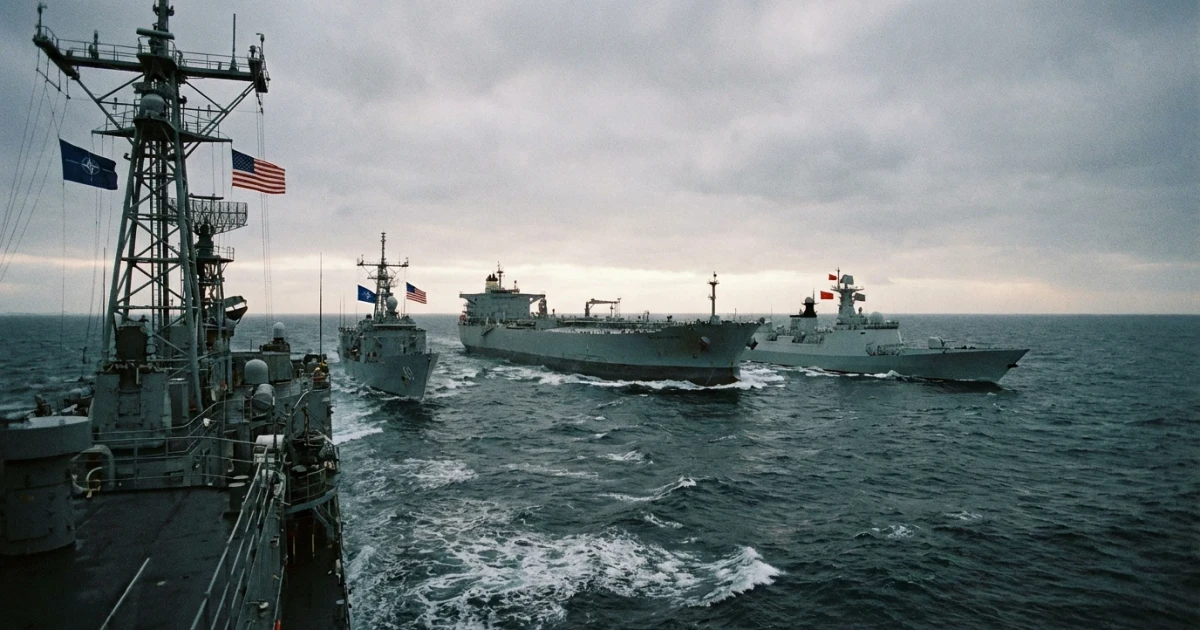
Donald Trump has intensified calls for NATO allies and China to deploy additional warships to protect crucial oil shipping lanes, according to reporting from The New York Times. The move highlights growing concerns over the security of global maritime trade as threats to oil shipments persist in key regions.
Renewed Focus on Maritime Security
Trump’s recent pressure on both European allies and China comes amid heightened risks to oil tankers and rising geopolitical tensions. The former president’s public statements have stressed the strategic importance of safeguarding the flow of crude oil, particularly through vulnerable maritime chokepoints. Trump has argued that increased joint naval patrols are necessary to ensure the stability of global oil markets and prevent disruptions that could impact worldwide energy prices.
International Response and Strategic Interests
According to The New York Times, Trump’s call for action is directed at both traditional Western allies and China—an unusual pairing that underscores the international scope of maritime security. NATO has a history of conducting maritime operations, such as anti-piracy missions, and maintains ongoing maritime security operations in key shipping corridors. China, meanwhile, has expanded its naval presence in recent years, participating in joint drills and escort missions, particularly in waters near the Middle East and Africa.
- Global oil shipments account for over 60% of international maritime trade.
- The U.S. exports millions of barrels of crude oil and petroleum products monthly, much of which traverses strategic routes vulnerable to interference.
- Recent years have seen an uptick in threats, including piracy, regional conflicts, and state-sponsored disruptions along key chokepoints.
Chokepoints and Economic Stakes
The world’s most important oil shipping lanes—such as the Strait of Hormuz and the Suez Canal—have long been flashpoints for international tension. Any disruption in these routes can have immediate effects on global energy prices and supply chains. The International Maritime Organization continues to monitor maritime security risks and coordinate international responses to piracy and other threats. Trump’s push for a more coordinated naval effort is seen as a response to both recent incidents and the broader vulnerability of the global energy network.
Diplomatic Complexities
While NATO allies have historically collaborated on maritime patrols, the inclusion of China as a potential partner adds diplomatic complexity. China’s growing naval capabilities and ambitions have been closely watched by Western governments. However, the prospect of joint operations—driven by shared economic interests in keeping oil supplies secure—has prompted some analysts to suggest that cooperation in this arena is possible, if not without challenges. The Center for Strategic and International Studies notes that energy security is a rare area where U.S., European, and Chinese interests may align, despite broader competitive dynamics.
Looking Ahead
As calls for greater international cooperation to protect oil shipments intensify, the coming months will test the willingness of NATO allies and China to coordinate maritime security efforts. With the stakes high for global trade and energy markets, the world will be watching how these powers respond to Trump’s pressure for action.