World
Trump Urges Netanyahu to Hold Back on Iran Strike
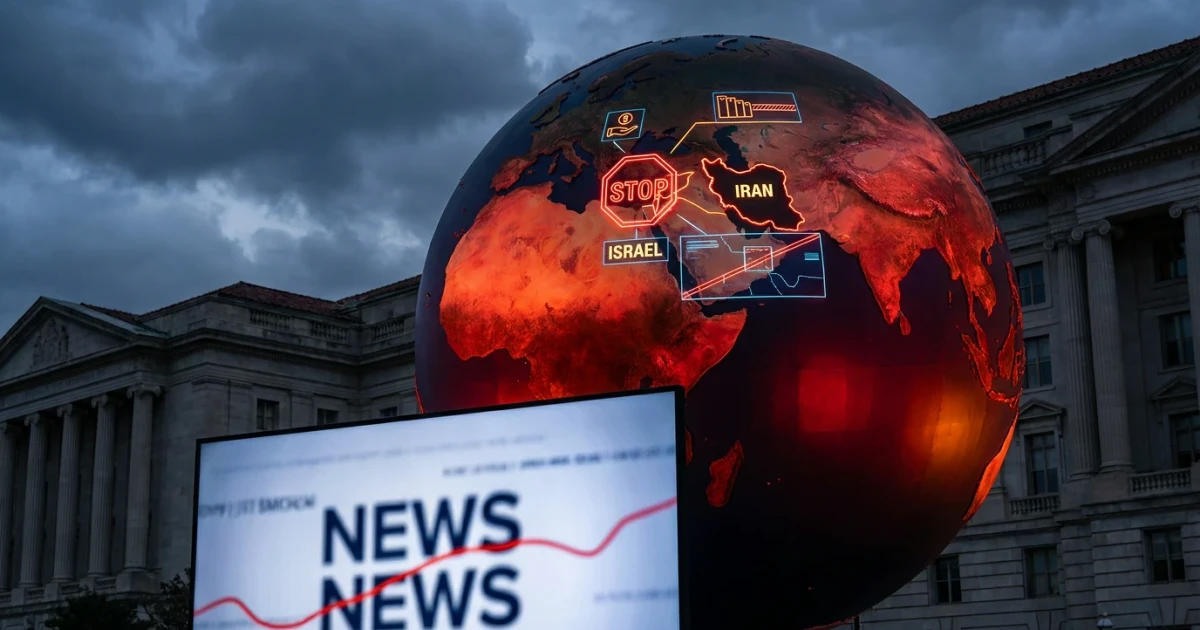
Former President Donald Trump has reportedly urged Israeli Prime Minister Benjamin Netanyahu not to launch a military strike against Iran, according to Axios. The call for restraint comes as tensions between Israel's military and Iran have spiked, with the two countries trading strikes for the first time since April, as detailed by The New York Times.
Rising Tensions in the Middle East
The latest escalation follows months of heightened rhetoric and military posturing between the two regional rivals. Recent exchanges of fire mark a significant renewal in hostilities, with both sides reportedly targeting military infrastructure and strategic sites. According to The New York Times, these strikes represent the most direct confrontation between Iran and Israel since earlier this year, intensifying concerns over the region’s stability.
Israel's military capabilities are among the most advanced in the Middle East, and the country has historically viewed Iran’s nuclear ambitions as a direct threat. Meanwhile, Iran maintains a robust missile program and regional proxy network, as outlined in the Congressional Research Service’s analysis of Iran’s defense policies.
Trump’s Call for Restraint
Axios reported that Trump personally communicated his concerns to Netanyahu, advising against a retaliatory military strike on Iran. While the precise content of their conversation was not made public, the timing underscores the gravity of the situation and the potential for broader escalation should Israel proceed with military action.
International Reactions and Strategic Calculations
Global leaders have expressed unease about the possibility of a wider conflict. Previous attempts to curb Iran’s nuclear program through UN Security Council sanctions and diplomacy have yielded mixed results, with both Israel and Iran remaining wary of each other’s intentions. The Council on Foreign Relations’ explainer on Iran’s nuclear program highlights decades of intermittent negotiations and periodic flare-ups.
- Israel and Iran exchanged direct military strikes for the first time since April.
- Trump reportedly urged Netanyahu to avoid escalating the conflict with a retaliatory attack.
- International observers fear that further hostilities could destabilize the region.
Broader Implications
The renewed violence has reignited debates over the effectiveness of international efforts to contain both nations’ military ambitions. According to the Brookings Institution’s research on the Iran-Israel shadow war, covert operations and proxy engagements have long defined the rivalry, but direct strikes raise the stakes considerably.
As regional and global powers monitor the situation, Trump’s intervention signals an effort to prevent another spiral of violence. The coming days will likely determine whether diplomatic efforts or military calculations will prevail in shaping the next phase of the Iran-Israel relationship.