Politics
Trump urges Senate to skip recess for voting bill showdown
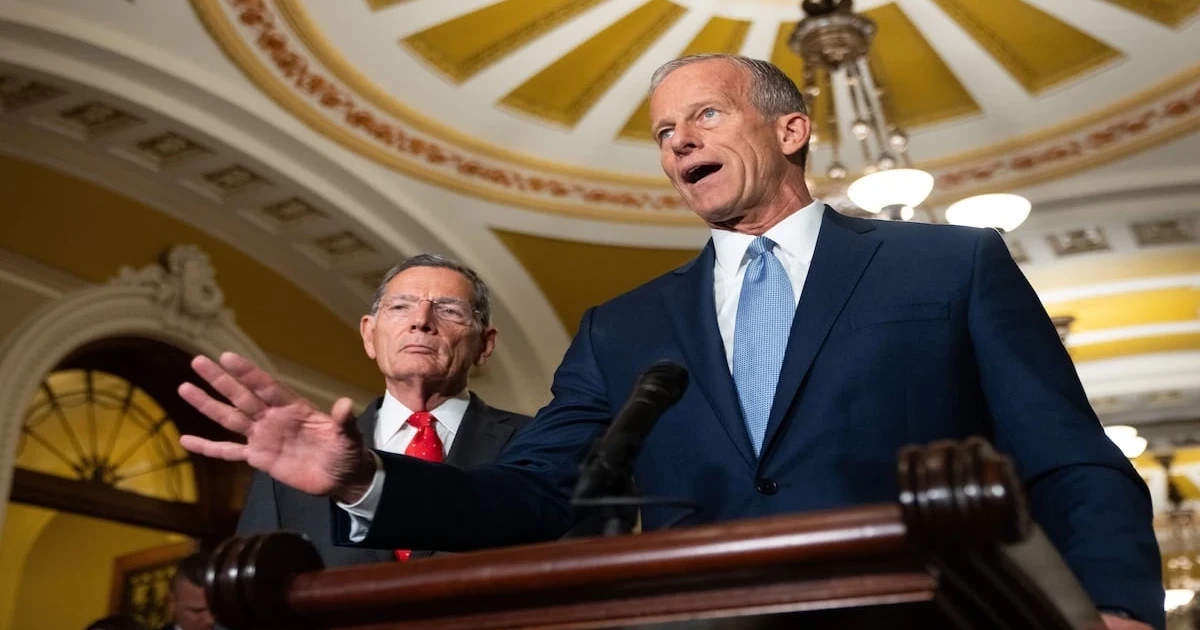
President Donald Trump on Monday demanded that Senate Majority Leader John Thune cancel the chamber’s upcoming August break until senators pass a strict proof-of-citizenship voting bill. The clash put the Senate’s calendar, not just the legislation, at the center of the fight in Washington.
Trump’s request ran into an immediate practical barrier: Republicans lacked the votes to advance the measure, which other coverage has identified as the SAVE America Act. Trump has also repeatedly urged Thune to scrap the legislative filibuster, the Senate rule that effectively sets a 60-vote threshold for most legislation and gives minority-party senators leverage over the floor schedule.
That makes the question of whether the president can force a recess change mostly a test of political pressure, not direct control. The Senate’s five-week August recess is set by chamber leadership, and Thune told reporters he was willing to cancel it only if there was a chance of “a successful outcome.” In other words, more floor time does not automatically produce a vote if the votes are not there.
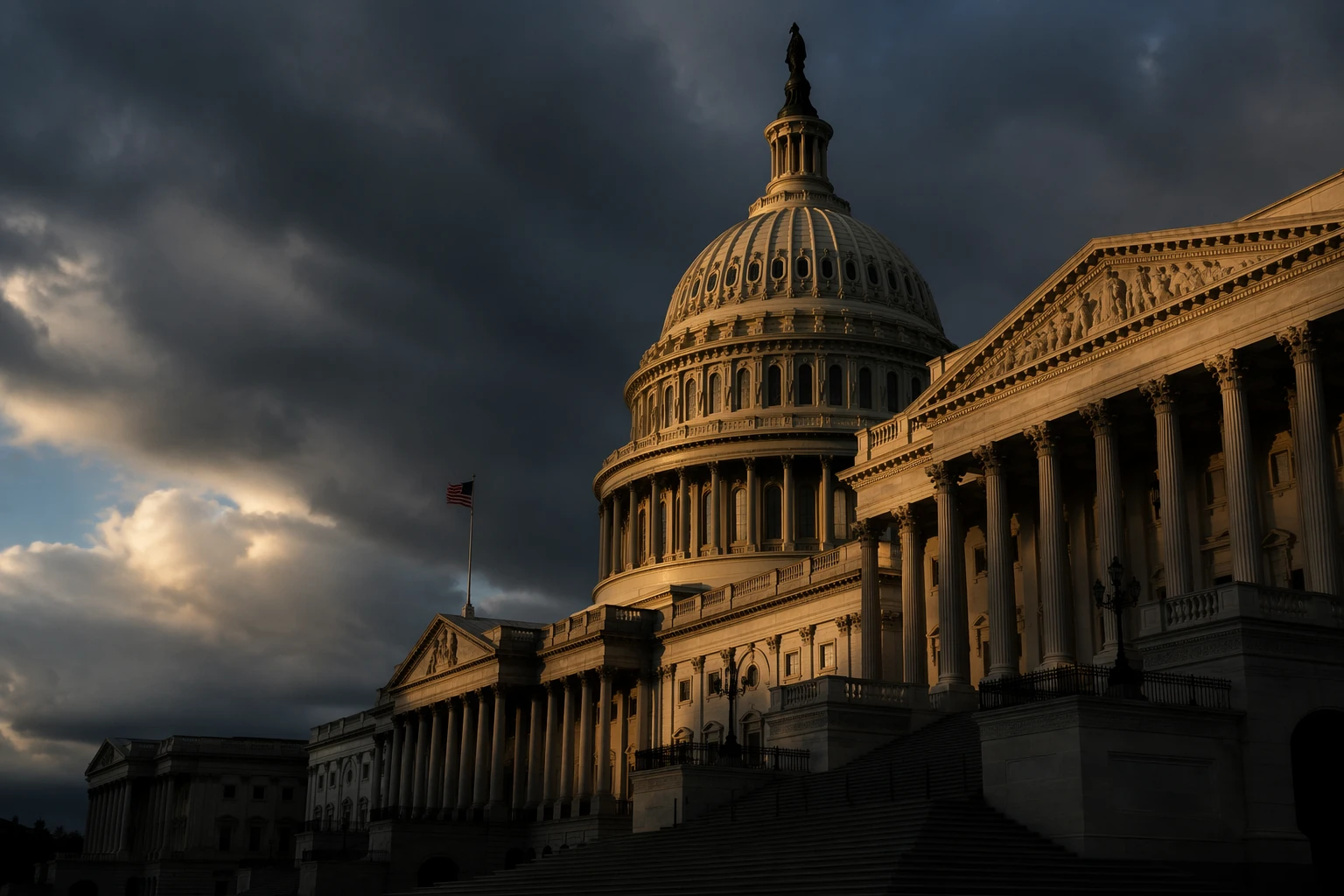
The voting bill itself has become a hard-line Republican priority, but it remains stalled in the Senate. The House of Representatives advanced the SAVE Act in April 2025 and voted again on the SAVE America Act in February 2026, while the Senate has not yet acted on any of the related bills, including the SAVE Act, SAVE America Act and MEGA Act. That leaves Trump’s push aimed squarely at the one chamber where the effort has not moved.
Voting experts have warned that the bill could disenfranchise some 20 million American voters, a warning that helps explain why the fight has become so politically explosive. Supporters cast tougher identification requirements as an election integrity measure, while opponents see a threat to ballot access that could reshape who can vote and how states run elections.
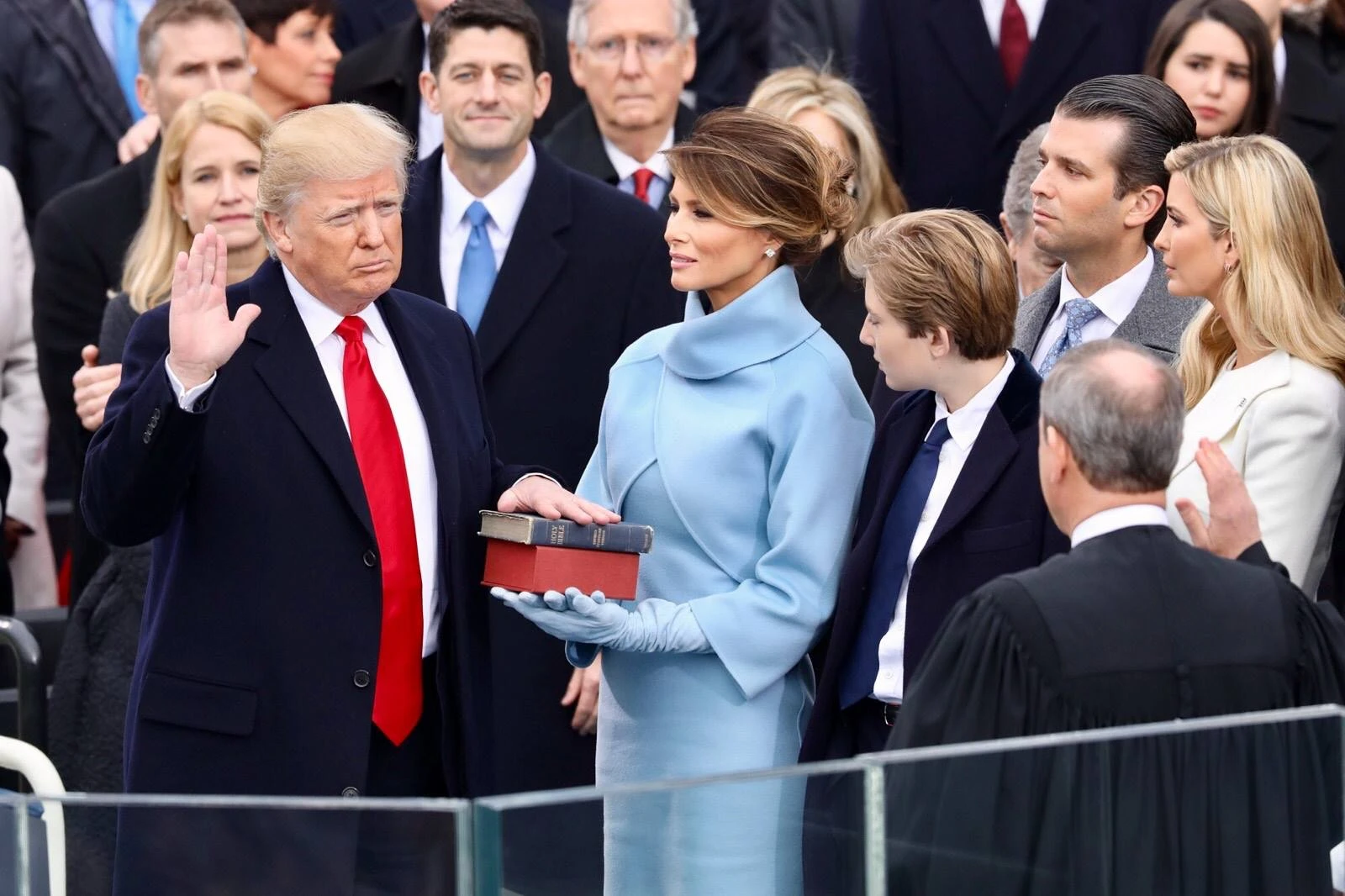
The standoff also shows how Trump uses procedural fights to pressure lawmakers publicly. By demanding that senators stay in Washington through recess, he turned a scheduling dispute into a loyalty test for Senate Republicans and for Thune, who now has to weigh whether extended debate would produce a vote or simply extend a losing fight.
Sources
- [1]apnews.com
- [2]thetelegraph.com
- [3]thehill.com
- [4]pbs.org
- [5]campaignlegal.org
- [6]broomfieldenterprise.com
- [7]marshallindependent.com
- [8]abccolumbia.com
- [9]abcnews.com