Politics
Trump uses national security to block offshore wind projects
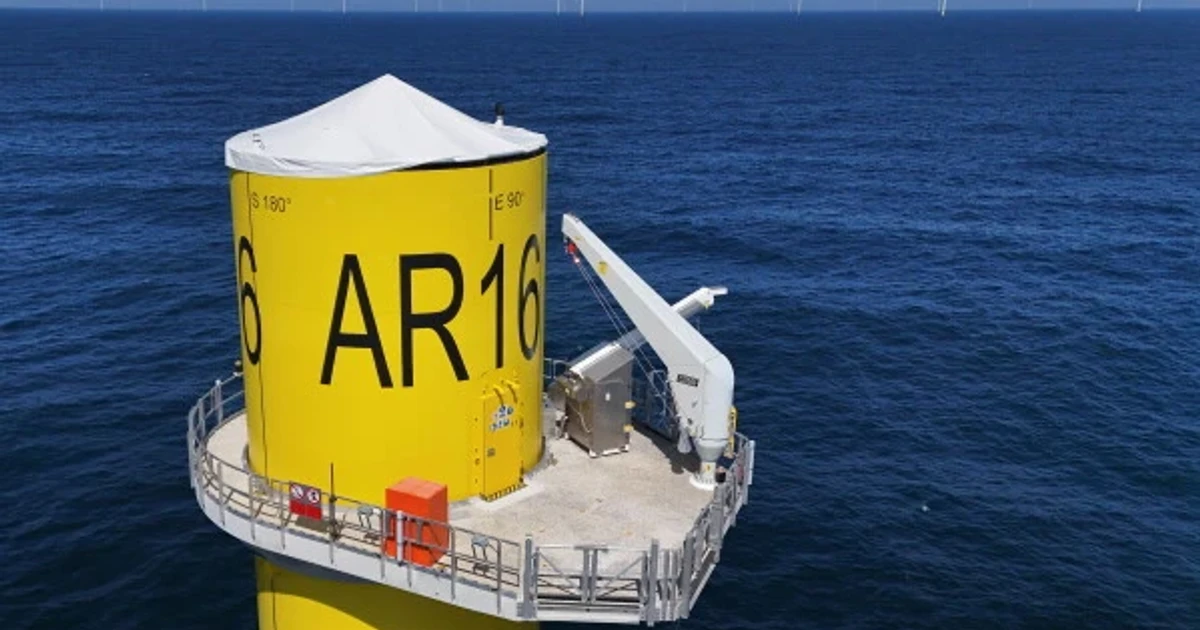
On Jan. 20, 2025, the White House pulled all areas of the Outer Continental Shelf out of offshore wind leasing and ordered a review of federal leasing and permitting practices. The Interior Department later paused offshore wind leases on national security grounds, recasting offshore wind as a national security problem, not just an energy dispute.
National security now sits at the center of the policy fight
The administration’s case rests on the idea that offshore turbines, transmission cables and development zones could interfere with military operations, coastal surveillance or other defense interests. Interior Secretary Doug Burgum has repeated that offshore wind farms pose a national security risk, giving the White House’s position the backing of the department that controls much of the federal offshore process.
Offshore wind has been one of the largest pieces of the U.S. clean-energy buildout. Projects along the Atlantic coast depend on federal approvals, maritime planning and long-term financing, so a national security review can become a broad brake on a sector designed around predictable federal permitting.
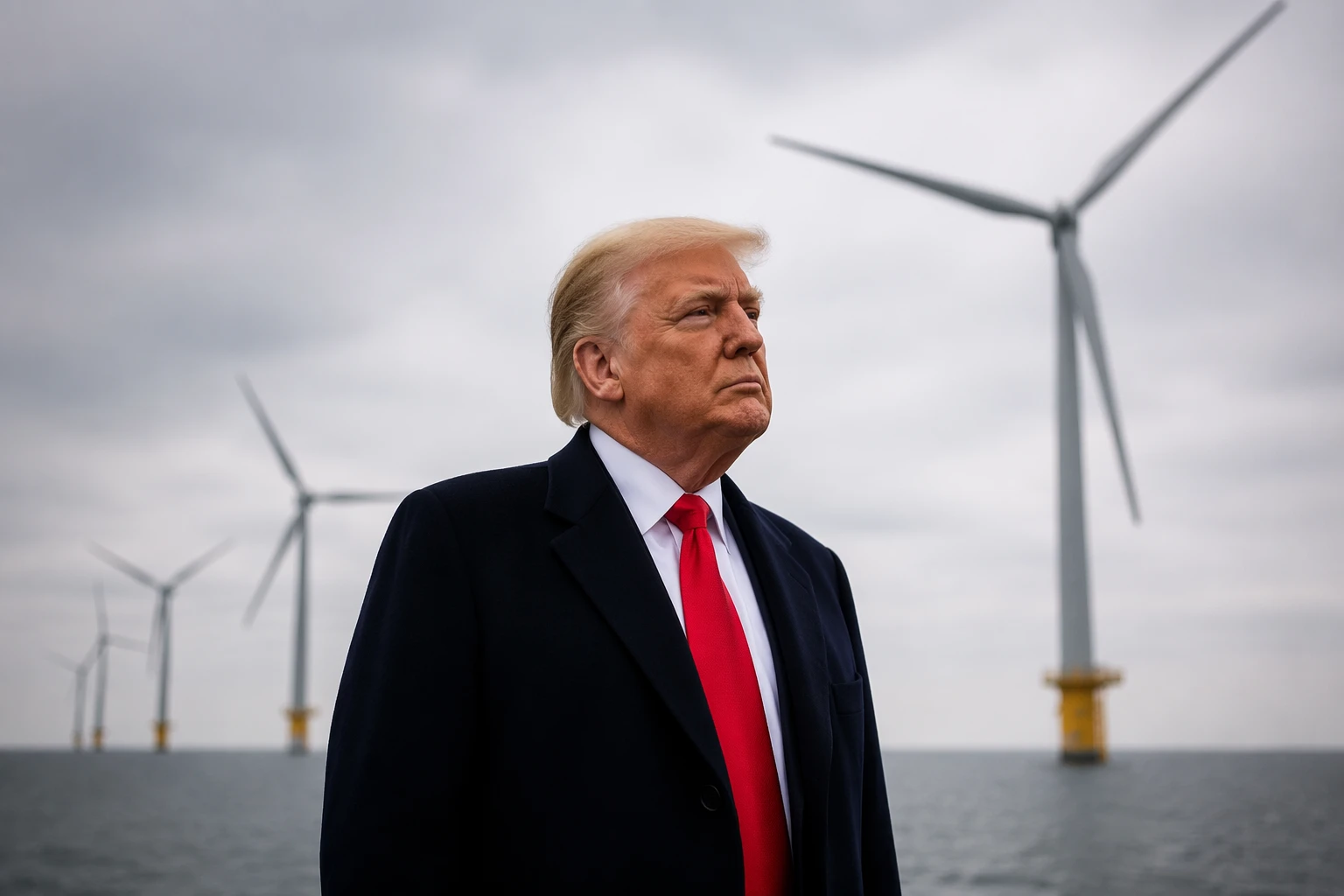
What the freeze changes for developers and coastal economies
Offshore wind projects are capital-intensive by design. Developers usually spend years in permitting and line up billions of dollars before a single turbine begins producing electricity, which means a federal pause can freeze not only construction but also financing, port work and supply contracts.
A slow-down can ripple through supply chains, port investments, shipbuilding, union jobs and state climate targets, while also forcing utilities and power buyers to reconsider how much future grid capacity they can safely count on from offshore wind. In New England, offshore wind already helps support the regional grid.
The legal fight is already reshaping projects on the water
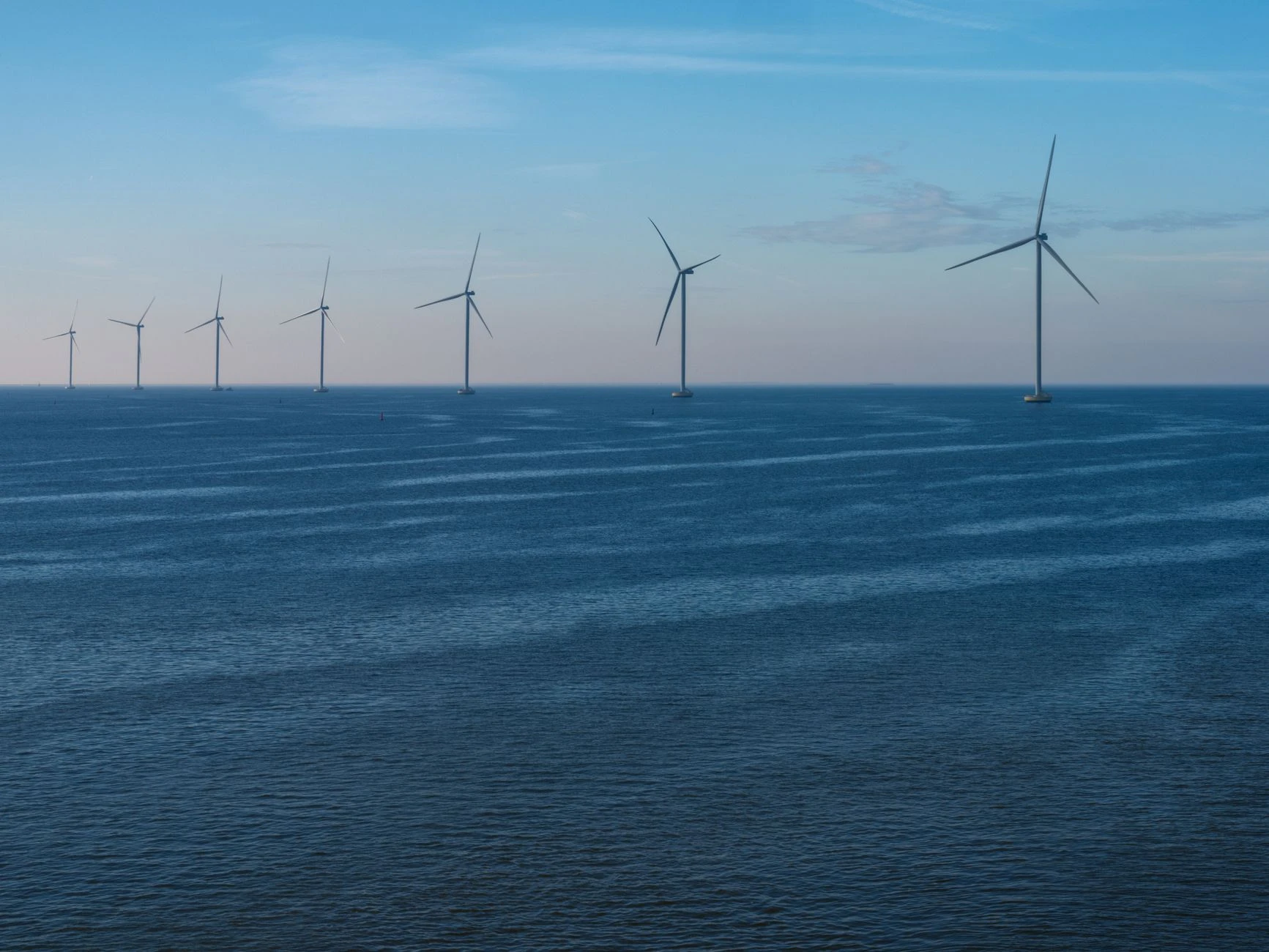
The administration’s freeze has triggered a widening legal battle. Construction on a New York offshore wind project was stopped, and in a separate case a judge allowed a different New York offshore wind project to resume construction. A federal judge also allowed a Virginia offshore wind project to continue.
Revolution Wind, a nearly complete offshore project off the Rhode Island shore, is intended to serve Rhode Island and Connecticut. The project is already far along, yet developers, states and lenders have been forced to absorb new risk after years of planning.
The New York attorney general has also sued Trump over halted wind projects, adding another front to the conflict between states and the administration.
Why the tactic could spread beyond offshore wind
If national security becomes a standing justification for slowing or stopping offshore wind, the same rationale could be stretched across other clean-energy projects that rely on federal land use approvals, transmission rights or similar permits.
The administration is pursuing a strategy of paying companies to walk away from offshore wind leases, and the Interior Department spent roughly $2.5 billion to get companies to abandon offshore wind projects. That approach turns a regulatory dispute into a financial one, using federal money not to accelerate development but to unwind it.
For supporters of the policy, the argument is straightforward: the federal government should protect strategic interests and avoid offshore infrastructure that may complicate defense planning or raise costs for consumers. For opponents, the new posture looks like a political weapon aimed at a clean-energy industry that has already spent years navigating federal review and local opposition.
Sources
- [1]apnews.com
- [2]whitehouse.gov
- [3]doi.gov
- [4]nytimes.com