World
Trump Voices Doubts on Iran’s Latest Peace Plan
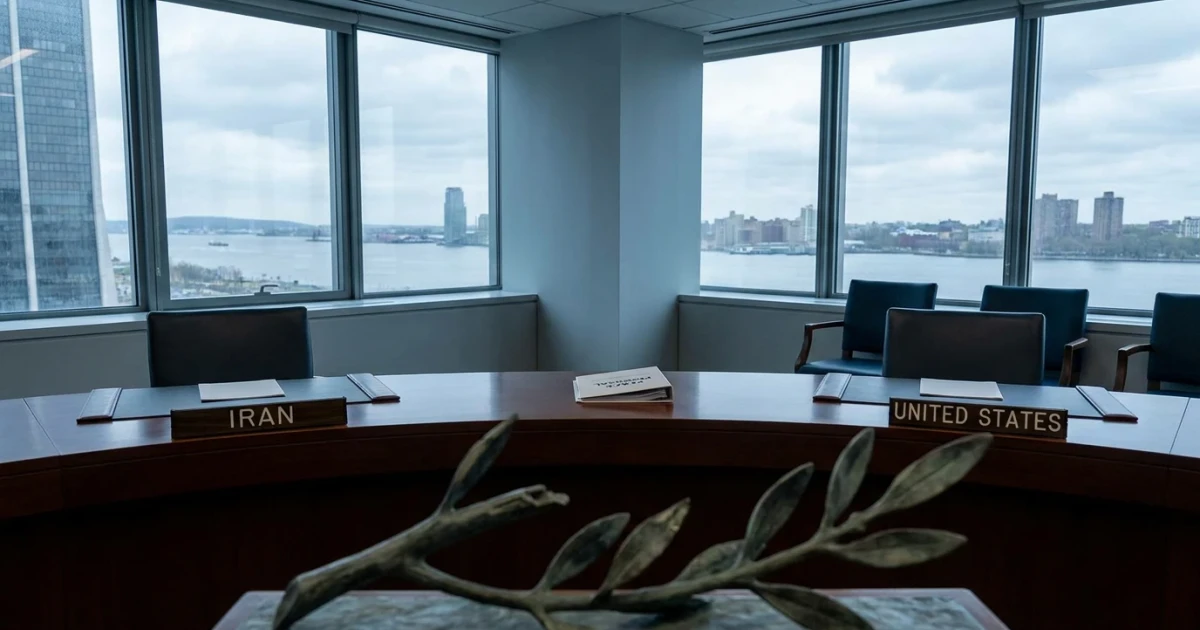
Donald Trump has publicly voiced dissatisfaction with Iran’s latest peace proposal, underscoring persistent tensions and skepticism in U.S.-Iran diplomacy. The announcement, covered by AP News and other outlets, comes as global stakeholders continue to scrutinize Iran’s nuclear program and efforts toward a negotiated solution.
Trump’s Response to Iran’s Proposal
During remarks to Congress and reporters, Trump stated he was "not satisfied" with Iran’s newest peace plan. While details of the proposal remain limited in public reporting, Trump’s reaction signals a cautious stance from Washington as the international community weighs Iran’s efforts to address nuclear concerns.
Context: Iran’s Nuclear Program and International Oversight
The peace plan emerges against a backdrop of ongoing negotiations and monitoring by agencies such as the International Atomic Energy Agency (IAEA). According to recent IAEA reports, Iran continues to face scrutiny over its nuclear activities, with inspectors monitoring compliance and transparency measures. The U.S. State Department’s 2023 compliance report has previously highlighted concerns about Iran’s adherence to arms control agreements.
- Iran’s nuclear program remains a focal point for international arms control and nonproliferation efforts.
- The United Nations Security Council maintains sanctions and oversight mechanisms targeting Iran’s military and nuclear sectors.
- Ongoing proposals and counter-proposals are tracked by organizations such as the Arms Control Association, which maintains a fact sheet comparing key peace plans and timelines.
Diplomatic Reactions and Implications
Trump’s dissatisfaction with Iran’s proposal has drawn attention from both political leaders and analysts who continue to debate the effectiveness of diplomatic engagement. While some view Iran’s initiative as a step toward resolving longstanding disputes, others remain wary due to past compliance issues and unresolved concerns.
According to expert analysis from the Congressional Research Service, Iran’s foreign and defense policies are shaped by domestic priorities and regional security dynamics. Skeptics argue that any peace plan must be accompanied by verifiable commitments and robust enforcement mechanisms to ensure long-term stability.
Key Takeaways
- Trump’s public statement reaffirms U.S. skepticism toward Iran’s diplomatic overtures.
- The peace plan’s details and viability remain subject to debate among policymakers and international monitors.
- Global agencies will continue to evaluate Iran’s compliance and transparency in nuclear activities.
Looking Ahead
As negotiations evolve, the international community awaits further developments regarding Iran’s peace plan and U.S. policy responses. The ongoing dialogue highlights the complexities of nuclear diplomacy and the challenges of building trust between adversarial nations.
For readers seeking deeper context, official reports and data from the IAEA, U.S. State Department, UN Security Council, and Congressional Research Service offer comprehensive insights into Iran’s compliance, arms transfers, and diplomatic history.