Politics
Trump Votes by Mail in Florida While Urging Congress to Restrict It
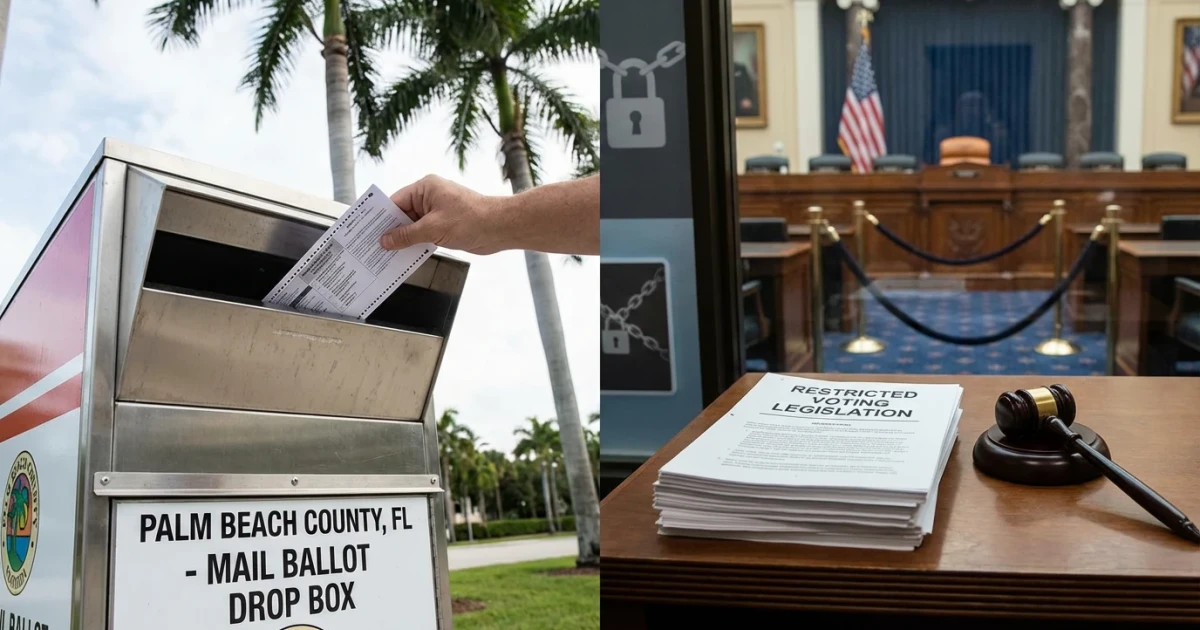
Donald Trump has cast his ballot by mail in Florida while actively urging Congress to impose strict limits on this voting method, underscoring the ongoing national debate over mail-in ballots and election security. The former president’s actions have renewed attention to the complex politics surrounding voting by mail as the 2026 election season intensifies.
Trump's Mail-In Vote in Florida
According to PBS, Trump utilized Florida’s mail-in ballot system to participate in the latest election. The state’s established procedures for absentee and mail-in voting have made it a popular choice for many voters, including high-profile residents like Trump. Florida law allows registered voters to request mail ballots without needing a specific excuse, and recent voter turnout data shows millions of Floridians have taken advantage of this option in recent cycles.
Push for Congressional Limits
Despite voting by mail himself, Trump has been vocal in his calls for Congress to sharply limit mail-in voting nationwide. He has frequently cited concerns about potential election security risks, including fraud and administrative errors. These claims have fueled partisan debate, with critics arguing that widespread mail voting increases access and participation, while supporters of restrictions claim it is necessary to ensure the integrity of the ballot.
National Debate Over Mail-In Voting
- During the COVID-19 pandemic, mail-in and absentee voting surged across the United States, with Pew Research Center reporting a significant rise in ballots cast by mail in 2020 and 2022.
- The National Conference of State Legislatures notes that 34 states plus Washington, D.C., currently allow no-excuse mail-in voting, while others impose more restrictions.
- Official Federal Election Commission records confirm that each state sets its own rules for mail ballots, with varying degrees of access and security measures.
Policy Arguments and Political Impact
Proponents of mail-in voting point to its role in boosting turnout, especially among senior citizens, people with disabilities, and those unable to vote in person. Election experts, including those cited by the Brennan Center for Justice, argue that widespread mail voting can be conducted securely with proper safeguards and that instances of fraud remain rare.
However, critics—among them Trump and some Republican leaders—continue to call for tighter controls, citing cases of administrative mishaps or isolated fraud as justification. This divide is likely to remain a flashpoint as Congress debates future election laws.
Looking Ahead
Trump’s decision to vote by mail while simultaneously calling for restrictions places a spotlight on the complexities and contradictions in the national conversation about election integrity and access. As the 2026 elections approach, the outcome of Congressional debates over mail-in voting will have significant implications for how Americans cast their ballots in the future.