World
Trump vows Iran will pay the price after fresh U.S. strikes
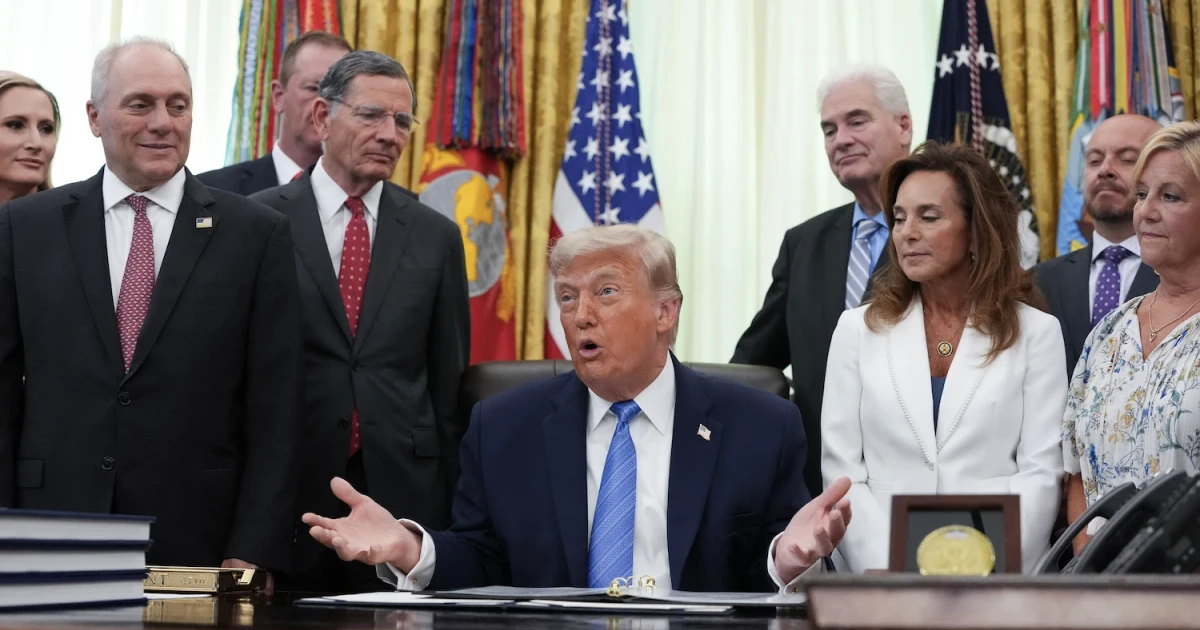
Donald Trump’s warning that Iran would “pay the price” landed as the United States launched another round of strikes on Iranian military sites, pushing the fight beyond a single exchange and deeper into the Gulf. Missiles and drones also moved toward Bahrain and Kuwait, and missile alert sirens sounded in Bahrain, sharpening the threshold question in Washington: when does retaliation become a broader U.S. military commitment?
Trump posted on Truth Social that Iran had “taken too long” to negotiate a deal and would now “pay the price.” Later, in the Oval Office, he said the United States would be attacking Iran “very hard” and “again today,” signaling that the White House was treating the latest strikes as part of an expanding campaign rather than a one-off response.
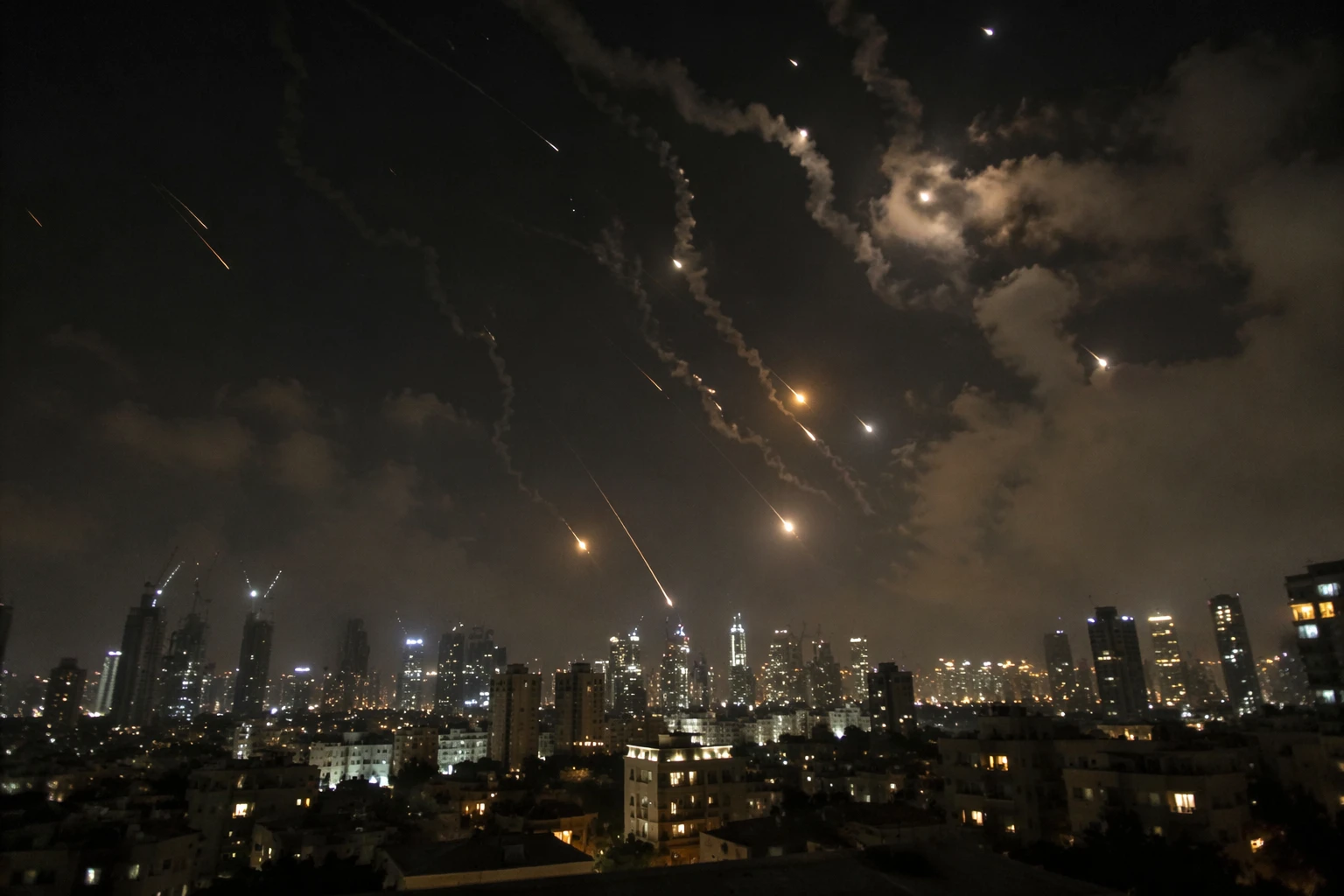
The military action unfolded inside a fragile two-month truce that began after an April 8, 2026 ceasefire, but the pause had already given way to renewed exchanges between U.S. and Iranian forces. CENTCOM said the strikes were in response to Iran’s “unwarranted and continued aggression,” while the U.S. military said it had hit Iranian military sites again. The latest round kept the focus on the Strait of Hormuz, where U.S. and Iranian forces have traded strikes and drones in recent days, and where Washington has framed its mission as protecting maritime traffic and regional allies.
The geographic spread matters because the fighting no longer stops at one front. Iran fired missiles and drones toward Bahrain and Kuwait, and Bahrain said the projectiles were intercepted. Even when the attacks are stopped, the sirens, air defenses and scramble to protect civilians show how quickly a conflict around the Strait of Hormuz can ripple into workplaces, ports, airports and neighborhoods across the Gulf.
The financial stakes are widening too. U.S. officials were exploring whether frozen Iranian assets could be redirected for reconstruction or repairs in Gulf states affected by the fighting. That would add a new pressure point to a confrontation already blending military strikes, regional air defense and economic coercion. The deeper question now is whether Washington has prepared for the consequences of an escalation that is no longer confined to Iran alone.
Sources
- [1]news.google.com
- [2]cnbc.com
- [3]usnews.com
- [4]apnews.com
- [5]stripes.com
- [6]centcom.mil