World
Trump vows more strikes as U.S.-Iran ceasefire unravels
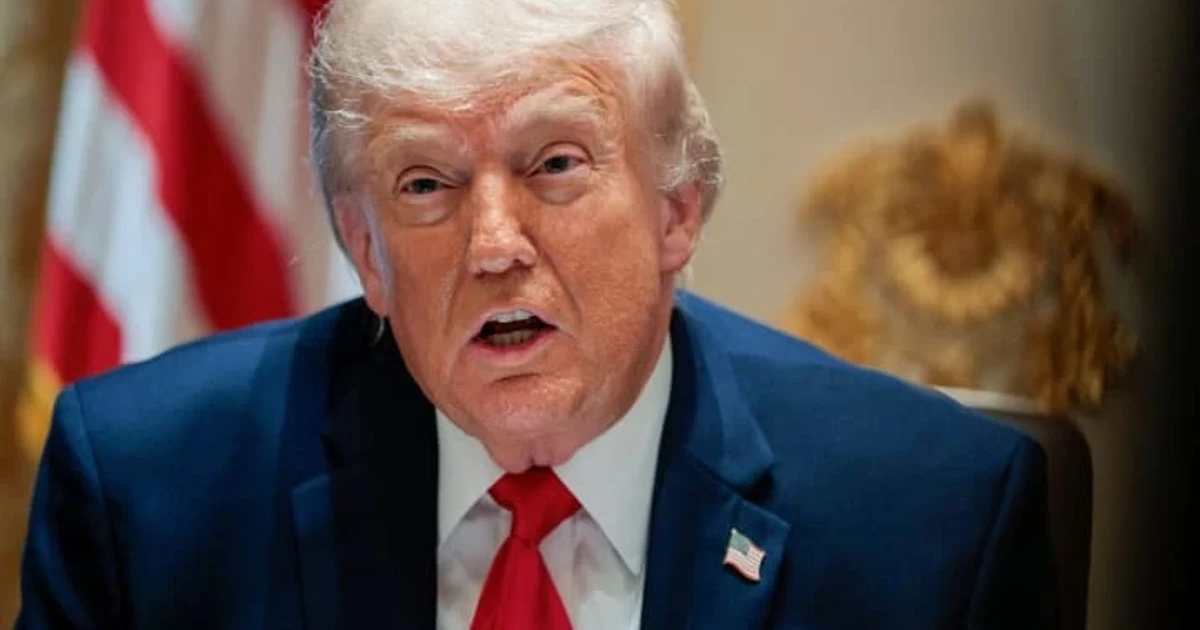
The ceasefire between Washington and Tehran was sliding toward collapse as Donald Trump warned that the United States would strike Iran again and said Tehran would “pay the price” for failing to accept a deal. The escalation came fast, with presidential threats turning into military action within hours and leaving open a hard question in Washington: whether the administration has a defined objective beyond punishment.
The sequence began when a U.S. Army AH-64 Apache helicopter went down near the Strait of Hormuz on June 8, 2026. Trump said Iran shot it down. U.S. officials said both crew members were rescued and were safe and uninjured. The United States then launched strikes against Iranian targets on June 9, and Iran answered with missile and drone attacks on U.S. bases in Bahrain, Kuwait and Jordan.
By Wednesday, June 10, Trump was telling reporters that the United States would hit Iran “hard” again. He accused Tehran of “playing us for suckers” and said Iran had taken too long to negotiate an agreement. He also warned that Iran would face consequences if it did not sign a deal, sharpening the sense that the White House was using force not just as deterrence, but as leverage in still-moving negotiations.
The danger in that approach is immediate. U.S. military positions across the Gulf are now exposed to further retaliation, and the attacks on bases in Bahrain, Kuwait and Jordan showed how quickly Iran can broaden the battlefield beyond the Strait of Hormuz. Any renewed strike cycle also raises the risk to civilians caught near military sites, as well as commercial shipping lanes running through one of the world’s most important oil chokepoints.
The broader regional picture is no more stable. The ceasefire between Washington and Tehran had taken effect in April 2026, and Israel and Iran had halted attacks on each other on June 8 after Trump appealed for restraint. Yet the latest exchange, one of the most significant since that truce, has revived fears that a limited clash could spill into a wider war involving Israel, Hezbollah in Lebanon, U.S. forces in the Gulf and infrastructure tied to global energy supplies.
Sources
- [1]cbsnews.com
- [2]yahoo.com
- [3]bloomberg.com
- [4]cnbc.com
- [5]usnews.com
- [6]timesofisrael.com
- [7]upr.org