World
Trump vows retaliation over Iran-backed Red Sea attacks
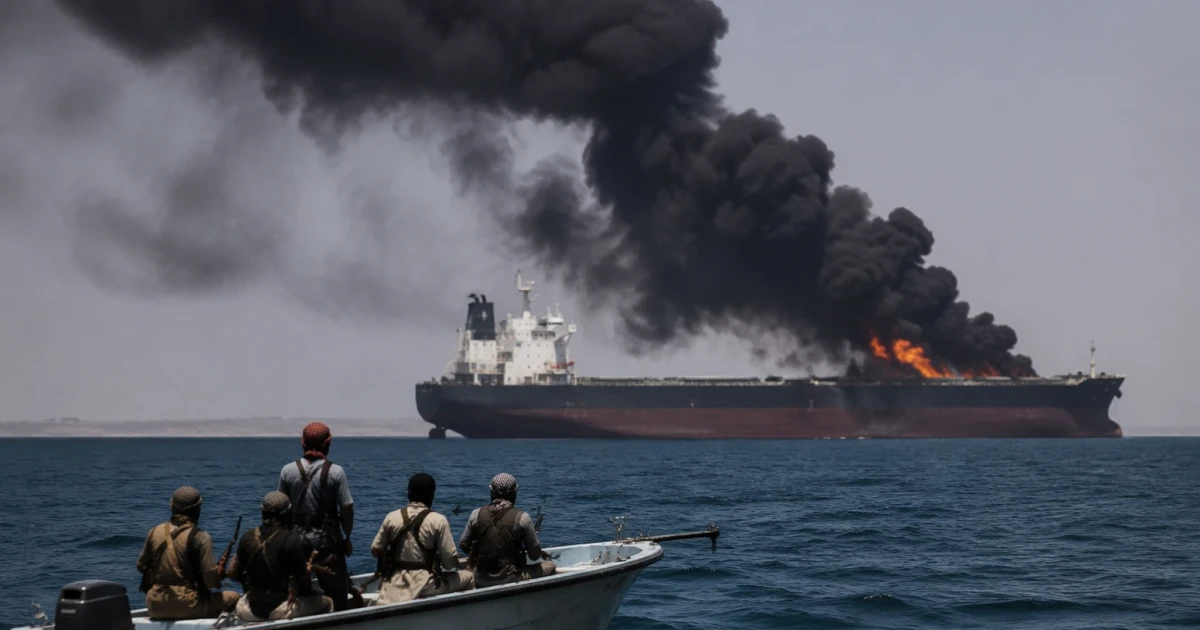
Trump vowed to punish Iran and the Houthis after attacks in the Red Sea, sharpening pressure on a shipping corridor that carries oil, container goods and industrial inputs through one of the world’s most sensitive chokepoints. The warning landed as oil prices surged and fears grew that the fighting could spill further across the Middle East, with direct consequences for freight rates, insurance costs and global energy markets.
The latest escalation began after the Houthis said they attacked two Saudi tankers in the Red Sea, a claim that fed concern about a new chokepoint in the wider Iran conflict. Reuters-linked coverage described the disruption risk as reaching beyond one waterway, with shipping insecurity spreading across both the Red Sea and the Strait of Hormuz, a two-chokepoint threat to global oil flows. When Washington publicly ties Tehran to those attacks, it raises the odds that the crisis is treated not as a discrete maritime incident but as part of a broader confrontation involving Iran, Gulf states and regional security.
The market reaction was immediate. Reuters-linked coverage on July 23 and July 24 said oil climbed back toward $100 a barrel and then rose to a six-week high as US-Iran tensions intensified. For traders and shipping companies, even the threat of Red Sea disruption can force higher war-risk insurance premiums and push vessels onto longer alternate routes, adding time and cost to deliveries of crude, container cargo and industrial supplies. That kind of rerouting can ripple through supply chains far beyond the conflict zone.
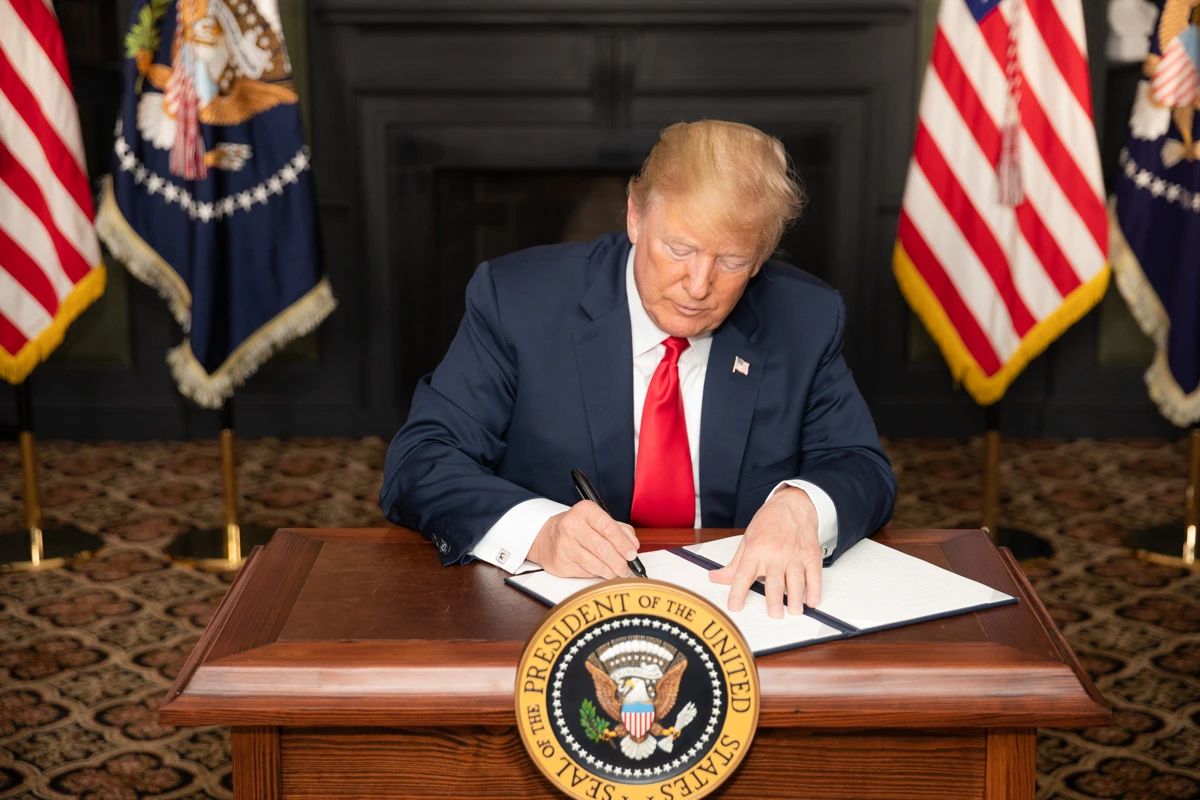
Trump’s tougher rhetoric also carried a military message. Reuters reported on July 24 that the United States was ready to respond if the Houthis imposed a Red Sea blockade, a signal meant to deter further attacks and reassure shippers and allies. But the same warning also underscored the risk that any U.S. retaliation could deepen a confrontation already tied to Iran, intensify pressure on maritime security and keep oil markets volatile. Reuters-linked analysis said the Houthi blockade was shaping which Saudi crude moved, not whether it moved, a reminder that partial disruption can still distort trade flows.
For consumers, the stakes run through fuel prices, freight costs and inflation if energy and transport expenses stay elevated. The Red Sea remains central to global commerce, and the latest round of threats showed how quickly campaign-style vows of retaliation can collide with the real costs of policing sea lanes and trying to keep oil moving.
Sources
- [1]reuters.com
- [2]emirates247.com
- [3]aljazeera.com
- [4]cnbc.com