World
Trump warns Iran as Swiss talks ease Lebanon violence
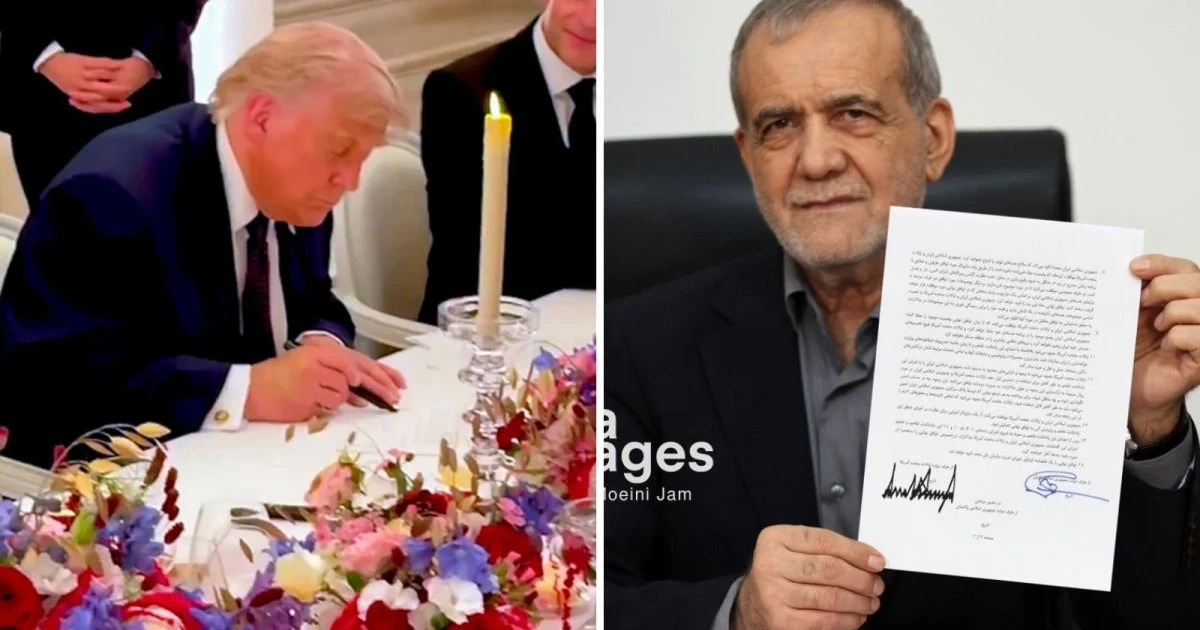
Donald Trump’s threat to hit Iran harder if no deal emerged landed at the same moment Swiss negotiations were lowering the temperature in Lebanon. The split screen captured the wider gamble: public brinkmanship in Washington, quiet bargaining in Switzerland, and a fragile effort to keep a regional war from widening.
U.S. and Iranian negotiators met in Switzerland in June as part of a 60-day process aimed at more than Iran’s nuclear program. The agenda also covered sanctions relief and an end to military operations in Lebanon, with the two sides said to have approved a roadmap for a final deal and created oversight, sanctions and nuclear working groups to drive the talks forward. JD Vance said the two sides had made “a lot of progress,” even as Trump’s backing for any final deal remained unclear and Iran said no agreement had been reached.
The diplomacy came after earlier rounds had already placed Geneva at the center of the effort. In February, Iran and the United States were scheduled to hold a second round of nuclear talks there after an initial session hosted by Oman. By June, the Swiss channel had become the place where both sides were trying to test whether pressure could produce a deal, or only more leverage.
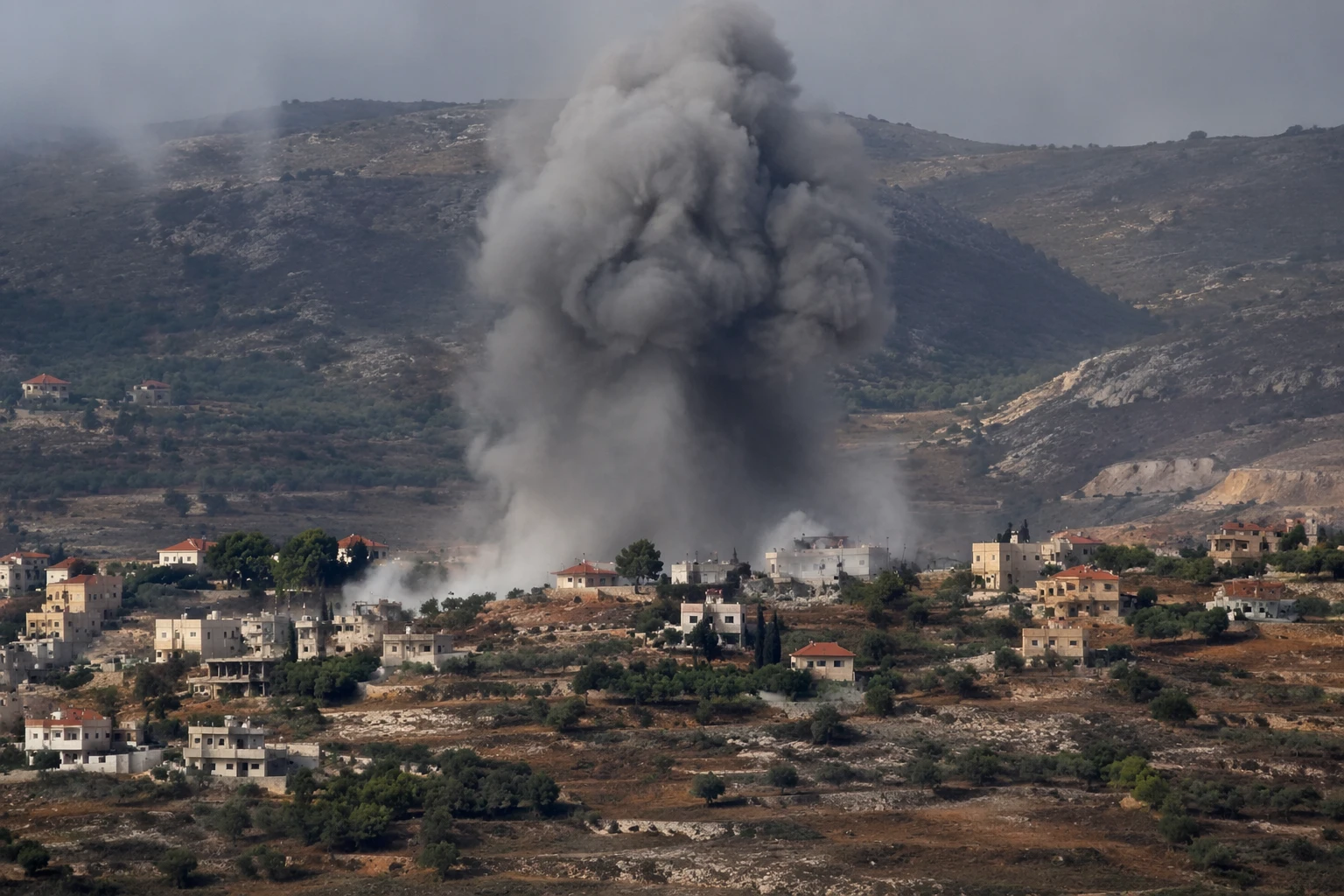
At the same time, Lebanon was not an abstract bargaining chip. Planned June 19 talks were canceled after renewed fighting there, including 18 deaths in airstrikes and the killing of four Israeli soldiers by Hezbollah militants. Another report said 20 people were killed by Israeli strikes in Lebanon hours after a truce took effect. Iranian officials also signaled that Lebanon was central to whether the talks would continue, underscoring how closely the battlefield and the negotiating table were linked.
The broader security picture remained volatile. During the period of the talks, Iran fired a ballistic missile at Kuwait, adding another layer of danger to an already unstable regional confrontation. That backdrop helps explain why the Swiss discussions were watched not just as nuclear diplomacy, but as a possible deconfliction channel for a wider conflict.
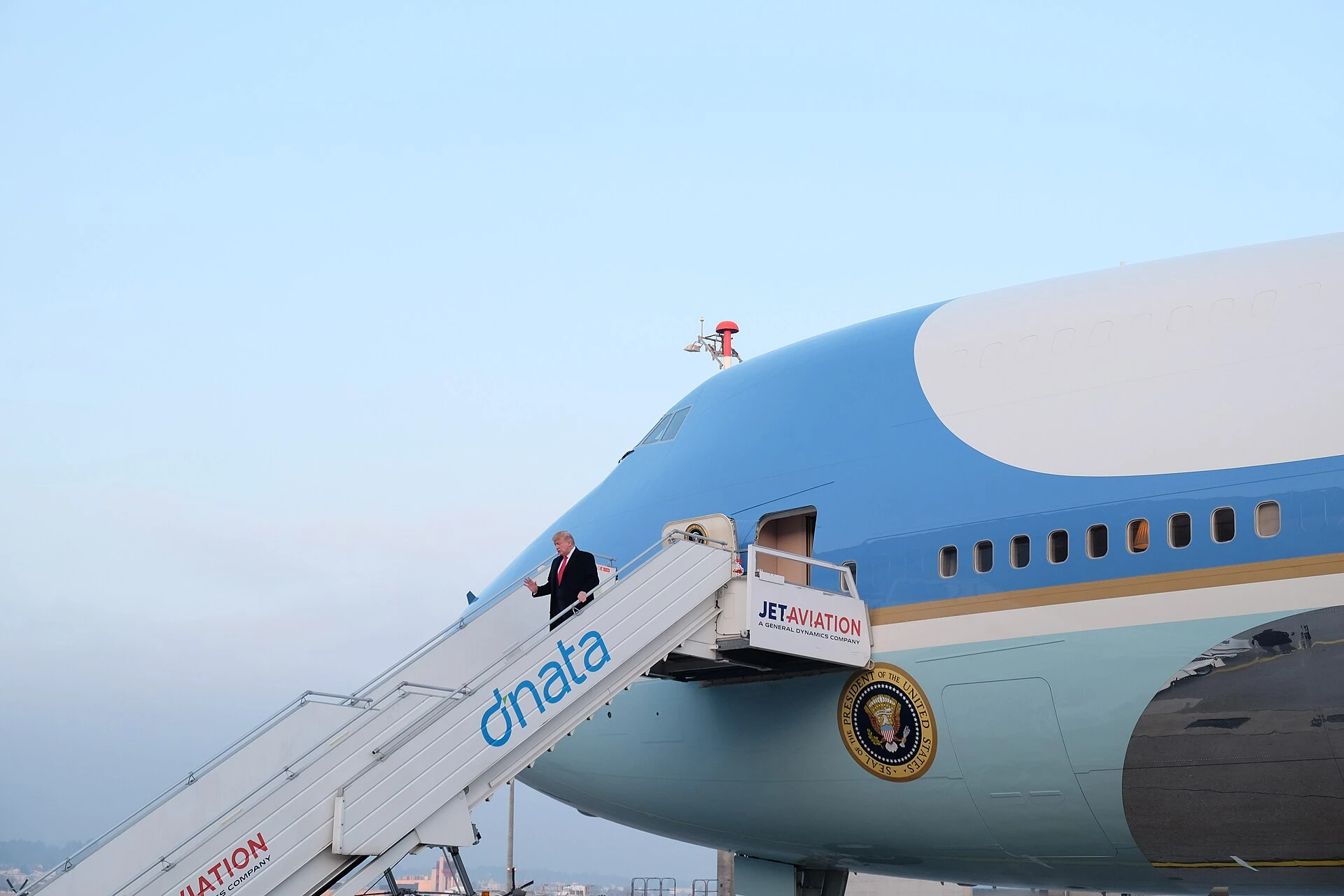
Trump’s pressure campaign continued to shape the atmosphere. He had threatened Iran with more bombing if a deal was not reached, even as Vance and other officials tried to keep the negotiations moving. Markets took notice: oil prices fell about 3 percent after Vance signaled progress, while 55 merchant ships crossed the Strait of Hormuz carrying more than 17 million barrels of oil, a reminder of how quickly any collapse in talks could ripple through energy security and global shipping.
The central question now is whether Trump’s warnings reflect a genuine escalation or a negotiating tactic meant to strengthen the U.S. hand. For the moment, the Swiss track and the Lebanon file suggest both messages are being used at once: pressure in public, diplomacy in private, and no certainty yet that either side has chosen the final path.
Sources
- [1]news.google.com
- [2]pbs.org
- [3]cnbc.com
- [4]aol.com
- [5]al-monitor.com