Politics
Trump warns Iran of devastating response if assassination plot advances
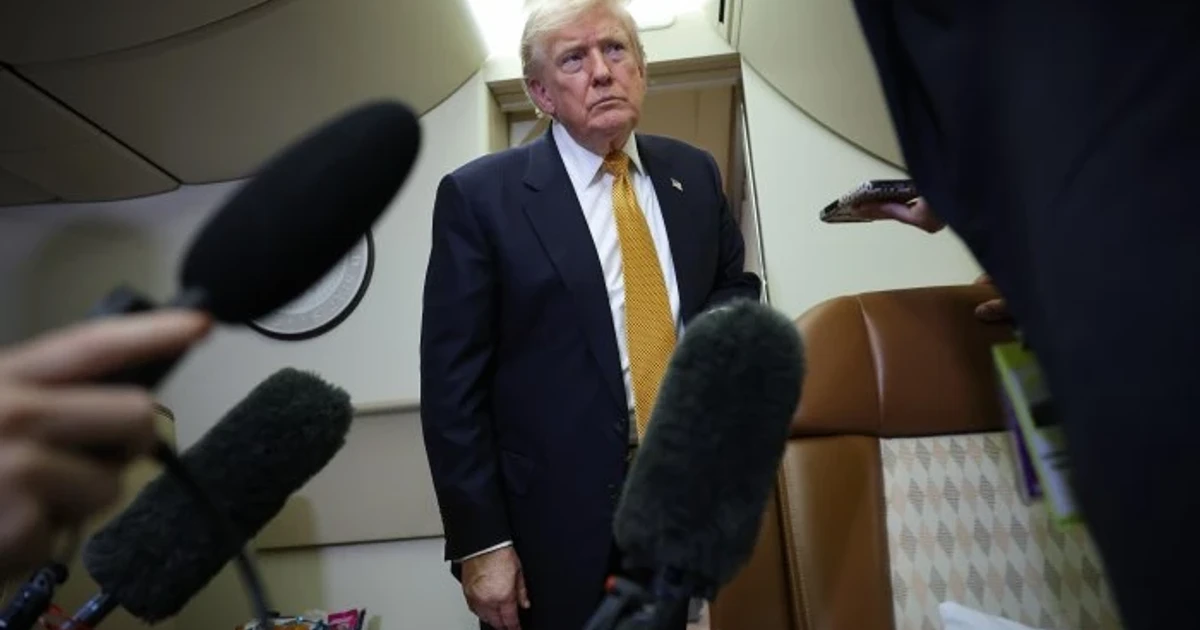
Trump suggested he had left standing orders for the U.S. military to destroy Iran if Tehran followed through on threats to kill him, and said JD Vance would make the call if he were incapacitated. The remarks pushed a personal threat into the center of U.S. military command, raising the question of how far a president can turn a private assassination warning into an operational trigger.
The warning came as Israel shared intelligence with Washington about Iranian hardliners’ desire to target Trump, but not a detailed operational plan. Trump has tied the threat to the January 2020 U.S. strike in Baghdad that killed Qassem Soleimani, the Islamic Revolutionary Guard Corps Quds Force commander, and he has repeatedly argued that Iran is targeting him because of that attack. He later said “1,000 missiles are locked and loaded” against Iran if an assassination attempt were made.
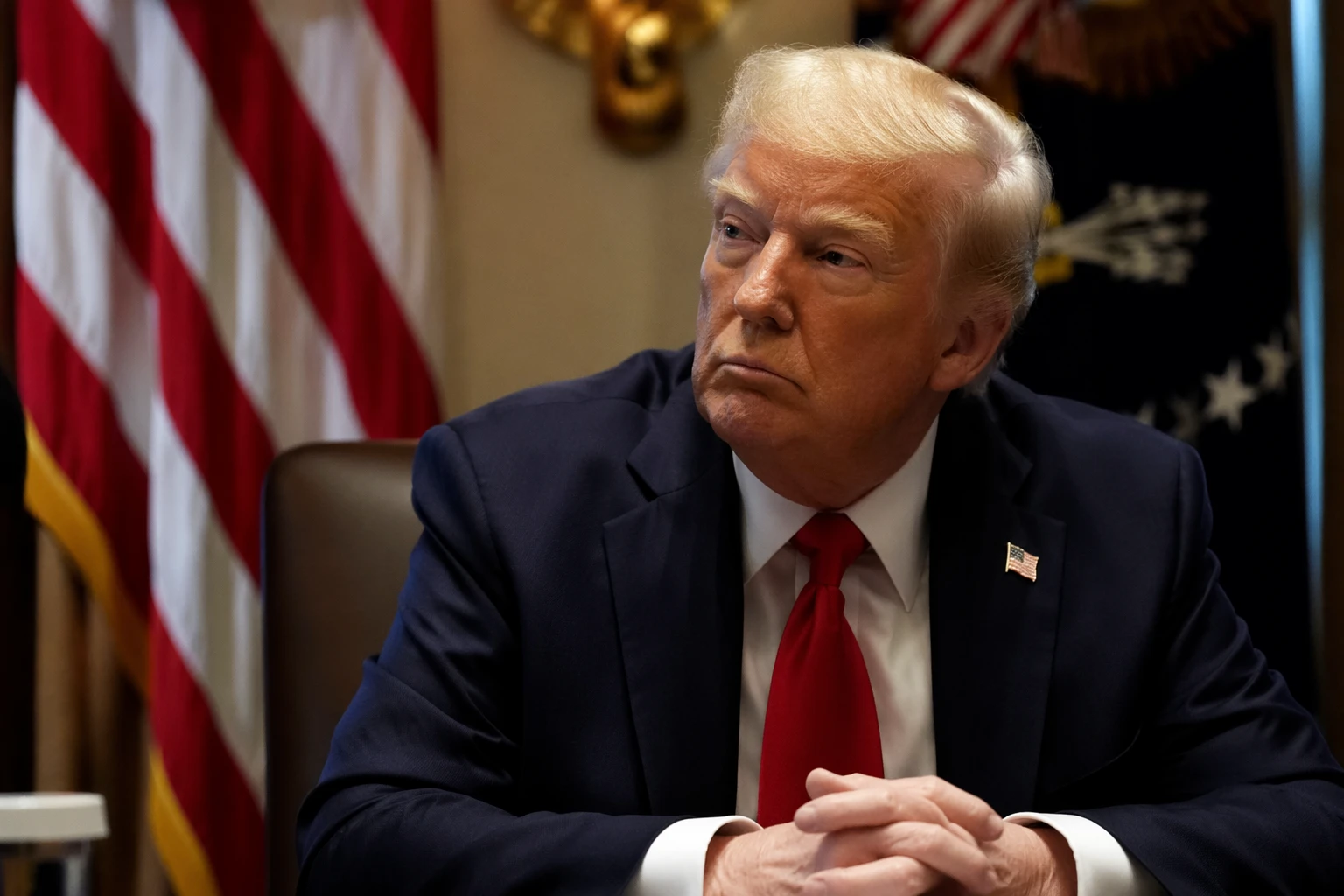
The confrontation also landed against a wider pattern of Iranian threat activity that Western governments have been tracking for months. On June 10, the United States and allied governments issued a joint statement condemning lethal plotting and other malign actions by Iran’s IRGC-Intelligence Organisation, Quds Force and Ministry of Intelligence and Security in Europe, North America and Australia. In March, the Justice Department said an Iranian intelligence agent was convicted in a foiled murder-for-hire plot tied to an attempt to assassinate U.S. politicians and government officials.
The administration kept the pressure on Tehran while Trump escalated his language. The Treasury Department sanctioned an alleged Iranian financier on July 11, and the Office of Foreign Assets Control had listed Iran-related and counterterrorism designations a day earlier. State Department material says the maximum-pressure campaign is meant to deny the Iranian regime revenue that can be used for destabilizing activity, ballistic missile work and the nuclear program.
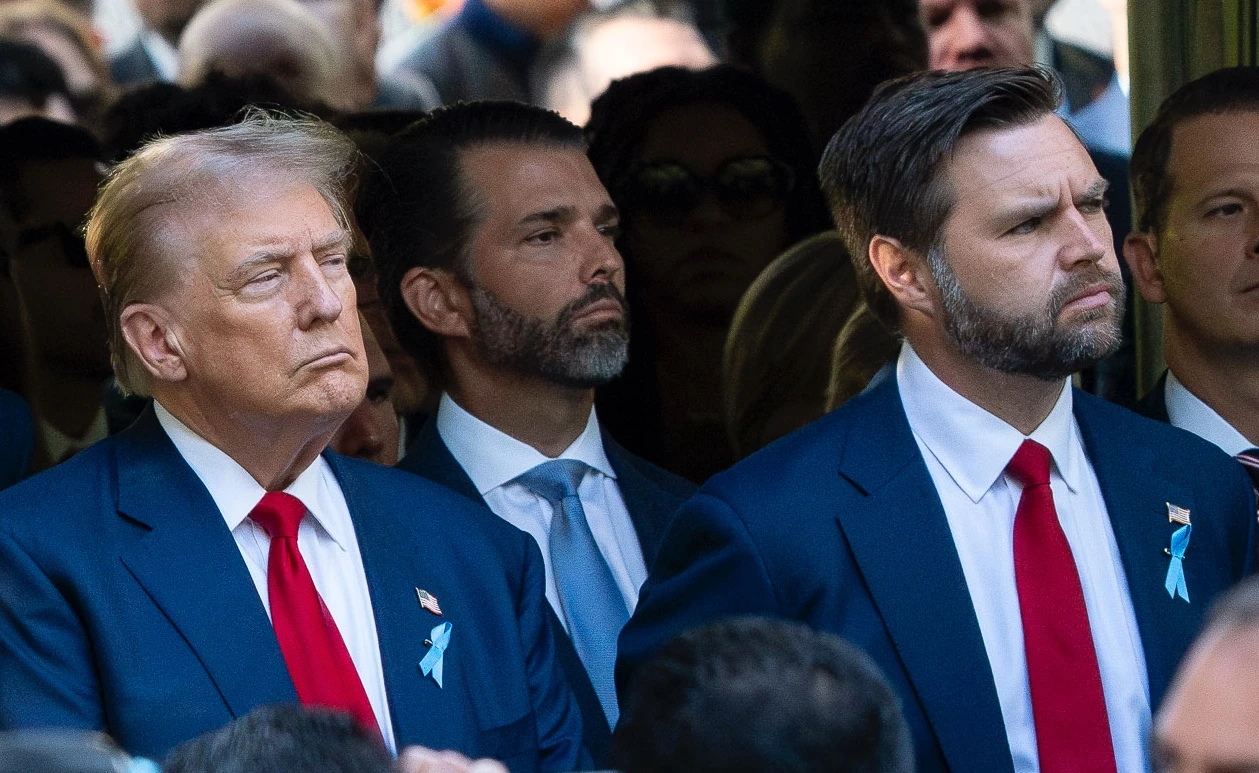
At the same time, Iranian Foreign Minister Abbas Araghchi was in Oman for talks, keeping a diplomatic channel open even as the rhetoric sharpened. The overlap of threats, sanctions and negotiations left the Trump-Iran clash locked between deterrence and escalation, with the chain of command now part of the message.
Sources
- [1]news.google.com
- [2]apnews.com
- [3]edition.cnn.com
- [4]cnbc.com
- [5]state.gov
- [6]justice.gov
- [7]ofac.treasury.gov