US News
Trump Warns Iran Over Energy Sites Amid Rising Tensions
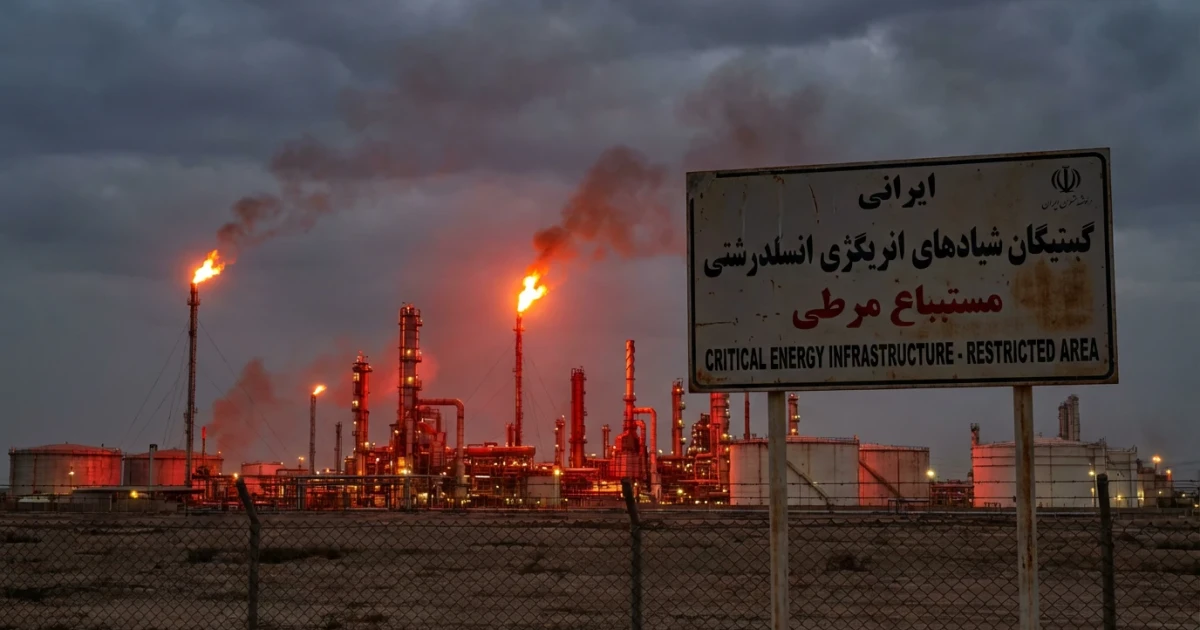
Escalating tensions between the United States and Iran have taken a new turn as former President Donald Trump issued a direct warning targeting Iran’s energy infrastructure. The warning comes amid a period of heightened military activity and global attention on the region’s stability, with energy markets and diplomatic relations hanging in the balance.
Trump’s Warning Highlights Iran’s Critical Energy Sector
On March 30, 2026, The Wall Street Journal reported that Trump threatened to target Iranian energy sites in the event of further escalation. The move underlines the strategic vulnerability of Iran’s oil and gas sector, which is a cornerstone of the country’s economy and a key factor in its regional influence. Iran’s energy infrastructure includes vast oil fields, pipelines, refineries, and export terminals, as detailed by GlobalSecurity.org.
According to data from the U.S. Energy Information Administration, Iran is among the world’s top producers of oil and natural gas, exporting millions of barrels daily. The country’s energy revenues are vital for both government spending and military funding, making its infrastructure a frequent focal point in international disputes.
Energy Sites as Strategic Leverage
Iran’s oil sector is not only crucial for its domestic economy but also for the global energy supply chain. The Organization of the Petroleum Exporting Countries (OPEC) lists Iran as holding some of the largest proven oil reserves in the world. Disruption to these facilities could have immediate consequences on global oil prices and supply stability.
- Iran produces over 3 million barrels of oil per day, with significant exports to Asia and Europe.
- Oil revenue accounts for roughly 30% of Iran’s GDP and is a major source of foreign exchange.
- Key infrastructure includes the Kharg Island export terminal and the South Pars gas field, both vital for Iran’s export capacity.
The potential targeting of energy infrastructure raises concerns not only about military escalation but also about the ripple effects on international energy markets. Previous incidents, such as the 2019 attacks on Saudi facilities, have shown that even limited strikes can send oil prices soaring and disrupt supply chains.
Sanctions and International Response
Iran’s energy sector has long been the subject of international sanctions, particularly in response to its nuclear program and regional activities. According to analysis from the Congressional Research Service, these measures have limited Iran’s ability to attract foreign investment and modernize its infrastructure, but they have not eliminated the country’s capacity to export oil illegally or through intermediaries.
Military threats against energy sites could further complicate diplomatic efforts and make it more difficult to reach negotiated settlements. Allies and energy importers are closely watching the situation, with concerns about supply disruptions and the potential for broader conflict in the region.
Implications for Global Security and Energy Markets
The role of energy infrastructure in the current standoff illustrates the intertwined nature of security, economics, and diplomacy in the Middle East. Any attack on Iranian facilities could provoke retaliation, disrupt regional shipping lanes, and trigger volatility in energy markets worldwide. The International Energy Agency provides detailed statistics on Iran’s share of global oil and gas production, underscoring the potential impact of conflict on international supply.
Looking Ahead
As rhetoric intensifies and military posturing continues, the fate of Iran’s energy sector remains a central concern for policymakers, industry stakeholders, and global markets. The situation underscores the importance of diplomatic channels and the risks inherent in targeting critical economic infrastructure during times of conflict. Observers will be monitoring developments closely, assessing how threats to energy facilities might influence not only the regional balance of power but also the economic well-being of nations far beyond the Middle East.