US News
Trump Warns of Possible Strikes Against Iran
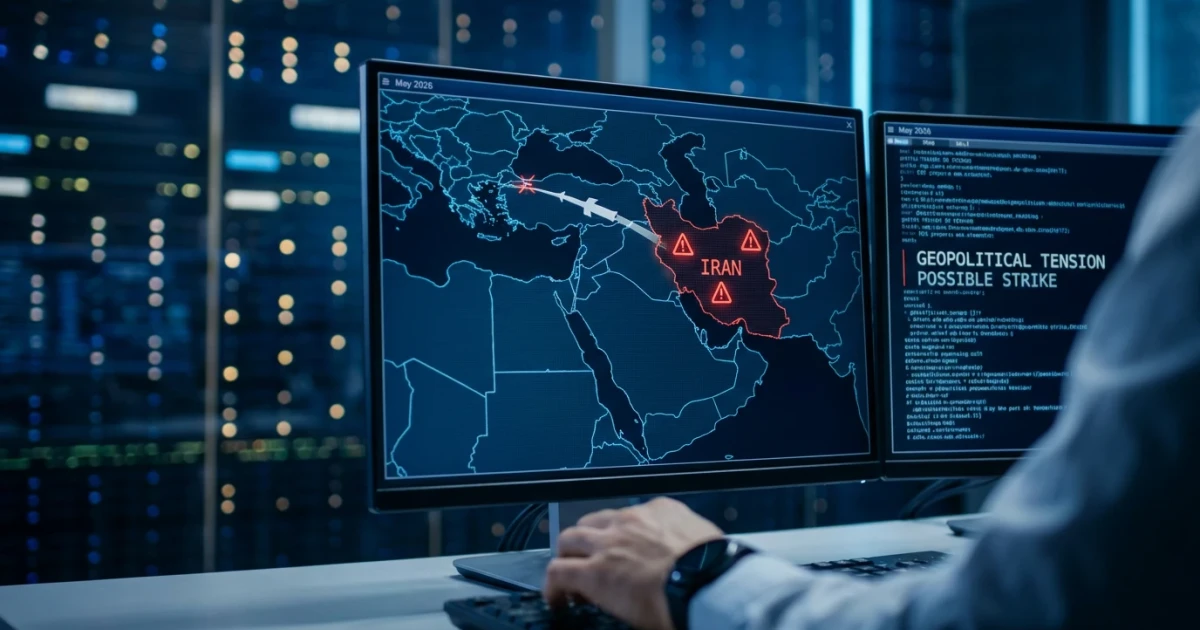
Donald Trump has publicly warned that the United States may launch new military strikes against Iran should the country "misbehave," a statement that underscores persistent tensions between Washington and Tehran. The remarks, reported by Axios, come amid ongoing concerns about Iran's regional activities and its relationship with the U.S.
Renewed Tensions and U.S. Strategy
The former president’s comments signal a willingness to escalate military action if Iran engages in behavior deemed provocative by U.S. officials. This warning follows a pattern seen in prior administrations, where threats of force have accompanied diplomatic and economic measures. Trump’s statement reflects a broader U.S. policy approach, which has historically combined sanctions, military posturing, and diplomatic pressure to influence Iranian actions. For more on this policy history, see the Congressional Research Service analysis.
Concerns Over Iran’s Regional Activities
The U.S. has frequently cited Iran’s involvement in regional conflicts, support for non-state actors, and missile development as areas of concern. Reports from the U.S. State Department detail Iran’s alleged support for groups in Iraq, Syria, Lebanon, and Yemen. These activities have prompted sanctions and international scrutiny, including measures under UN Security Council Resolution 2231 restricting Iran’s missile and military activity.
- Iran is accused of supplying weapons to various regional militias, as tracked by the SIPRI Arms Transfers Database.
- Sanctions have targeted Iran’s defense sector and individuals linked to its military programs.
- International monitors have documented ongoing missile development and testing.
Military and Diplomatic Calculations
Trump’s warning suggests a dual strategy: maintaining pressure through the threat of force while leaving room for negotiation. According to analysts at Brookings, U.S.-Iran relations have long been shaped by a mix of confrontation and cautious engagement. The threat of strikes serves both as a deterrent and a negotiating tool. For a deeper look at the historical context and policy recommendations, see the Brookings research report.
Implications for Regional Security
Military action against Iran carries significant risks for regional stability, energy markets, and global security. Past U.S. strikes have led to retaliatory actions and heightened tensions throughout the Middle East. As noted by GlobalSecurity.org’s Iran military overview, the Iranian armed forces possess substantial capabilities, including advanced missile systems and asymmetric warfare tactics.
- Iran’s military leadership has vowed to respond to any attack on its territory.
- Potential targets include U.S. assets in the Gulf region and allied infrastructure.
- Escalation could impact global oil supplies and diplomatic relations.
Looking Ahead
With Trump’s threat of renewed strikes, the U.S.-Iran confrontation remains a volatile issue for policymakers and regional actors. The effectiveness of threats as a deterrent depends on both sides’ willingness to avoid escalation and pursue diplomatic solutions. As international observers monitor developments, the balance between pressure and engagement will shape the next phase of U.S.-Iran relations.