World
Trump warns U.S. could strike Iran targets near Tehran over Hormuz seizure
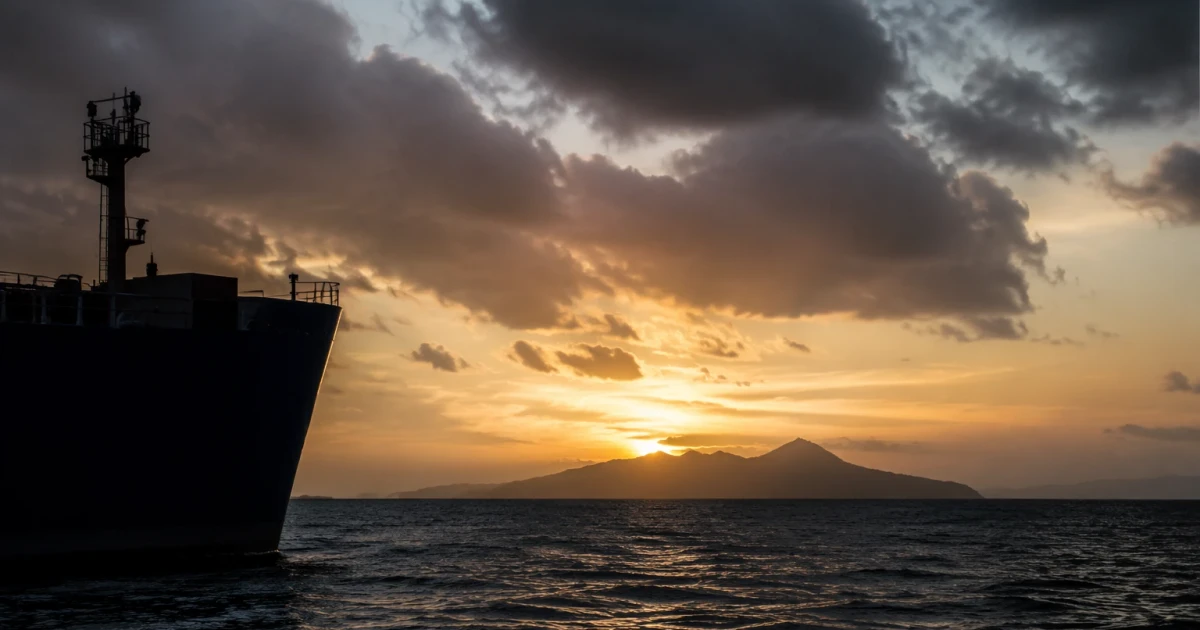
President Donald Trump warned that the United States could strike a bridge or power plant, including in or near Tehran, if Iran fired on the Strait of Hormuz, sharpening a confrontation that could spill from the Persian Gulf into global energy markets.
Secretary of State Marco Rubio called Tehran “not serious” about diplomacy. Speaking in Manila on the sidelines of the ASEAN Foreign Ministers’ Meeting at the Philippine International Convention Center in Pasay, Rubio said the United States remained “open to diplomacy” while continuing to target Iran’s ability to attack commercial shipping.
The threat lands in a narrow waterway that borders Iran and Oman and carries enormous economic weight. A March 11 Congressional Research Service update puts roughly 27% of the world’s maritime trade in crude oil and petroleum products through the Strait of Hormuz, which is why any escalation there can move oil and gas prices far beyond the Gulf.
Under international humanitarian law, civilian infrastructure is protected unless it qualifies as a military objective, meaning an object that by its nature, location, purpose or use makes an effective contribution to military action and whose destruction would provide a definite military advantage. Bridges and power plants are not automatically lawful targets, and direct attacks on civilian infrastructure that provides essential services can violate the rules of distinction and proportionality if they are not tied to a military purpose.

If strikes were to hit civilian-linked power systems or transport links, the conflict could deepen quickly, inviting further Iranian retaliation and increasing the chance that shipping in and around Hormuz becomes harder to insure, route and defend.
The market effects could reach Americans quickly through higher gasoline and diesel prices, broader shipping costs and a renewed risk premium in oil futures. Vessels have already reversed course and traffic through the strait dropped sharply after attacks.
ASEAN foreign ministers voiced “serious concern” over Middle East hostilities.
Sources
- [1]nytimes.com
- [2]reuters.com
- [3]jpost.com
- [4]congress.gov