World
Trump Weighed Iran Strike After Assassination Attempts
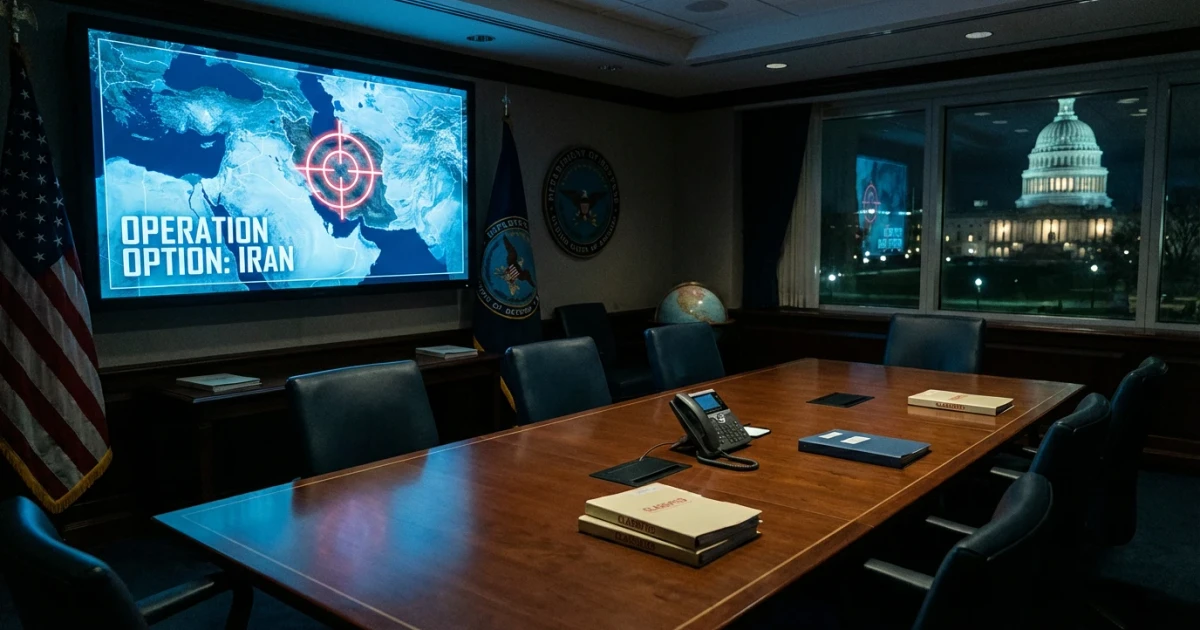
Former President Donald Trump’s decision to authorize a military strike against Iran in 2026 was shaped in part by a series of assassination attempts against him, according to new reporting by The Washington Post. The revelation sheds light on the interplay between threats to U.S. leaders and the country’s use of force abroad, and revives longstanding debate about the legality and precedent of targeted killings by the United States.
Assassination Attempts and U.S. Response
The Washington Post details how multiple attempts on Trump’s life factored into his national security calculus, particularly in the months leading up to the strike on Iranian targets. While specifics of the attempts remain classified, officials cited by the Post indicate they were considered credible and contributed to a heightened sense of vulnerability within the Trump administration.
- According to the Global Terrorism Database, attempted assassinations of U.S. presidents are rare but have historically prompted significant shifts in security policy and military posture.
- The U.S. Department of State Country Reports on Terrorism note an uptick in threats to high-profile officials in recent years, including plots linked to foreign actors.
Historical Context and Legal Framework
The United States’ use of force in response to assassination threats is a subject of intense scrutiny. According to a Congressional Research Service report, U.S. presidents have historically exercised broad discretion in ordering military action abroad, though direct assassination of foreign leaders has been officially prohibited since Executive Order 12333, issued in 1981.
- A Council on Foreign Relations backgrounder explains that while the U.S. has conducted targeted killings—most notably the 2020 strike on Iranian General Qassem Soleimani—outright assassination of sitting heads of state remains extremely rare and controversial.
- Legal analysis from Just Security emphasizes the complexities of international law governing such operations, with issues spanning sovereignty, self-defense, and proportionality.
Policy Debate and Precedents
The Washington Post’s reporting has reignited debate over the ethical and practical implications of targeted killings as a tool of U.S. foreign policy. While some policymakers defend such actions as necessary responses to imminent threats, critics warn of dangerous precedents and potential for escalation.
- The RAND Corporation’s research on U.S. military operations against Iran highlights the risks of retaliation and the challenge of maintaining international support.
- Lawfare’s explainer on targeted killing notes ongoing ambiguity in both U.S. and international law, especially when high-level officials are involved.
Implications for U.S. Foreign Policy
Trump’s decision, viewed through the lens of personal threat, signals a potential shift in how the U.S. weighs risk and responds militarily. The Post’s coverage suggests that future presidents may be more likely to consider direct threats to themselves as grounds for aggressive action abroad, a dynamic with far-reaching implications for international norms and security.
As the debate continues, observers point to the importance of clear legal frameworks and robust oversight to balance national security with global stability. For a comprehensive look at the history and legality of such actions, readers can explore the U.S. National Archives’ records on foreign policy decisions and the full CRS report on presidential use of force.
Going forward, the intersection of personal security, executive power, and international law is likely to remain a contentious and closely watched aspect of U.S. foreign policy decision-making.