US News
Trump Welcomes Brazil’s President Lula to White House
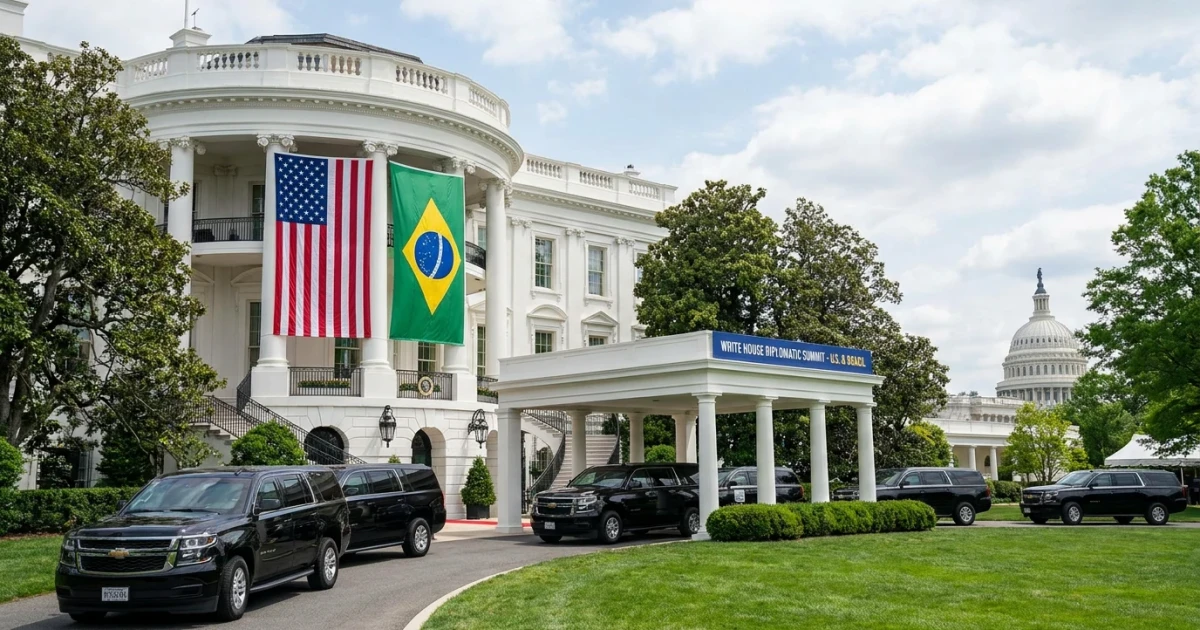
President Donald Trump hosted Brazil’s President Luiz Inácio Lula da Silva at the White House this week, underscoring a pivotal moment in the evolving relationship between two of the Americas’ largest democracies. The meeting, which comes after months of diplomatic ups and downs, signals an effort on both sides to stabilize and potentially deepen U.S.-Brazil relations.
High-Level Diplomacy Amid Tensions
The summit follows a period of fluctuating communication and policy differences between Washington and Brasília. While both nations have historically enjoyed robust economic and strategic ties, recent months saw public disagreements on issues ranging from trade policy to climate commitments. According to The New York Times, these tensions made the timing of the meeting particularly significant, as both leaders sought to project unity and pragmatic cooperation.
Trade and Economic Focus
One of the key topics on the agenda was the economic partnership between the United States and Brazil. The U.S. remains one of Brazil’s largest trading partners, with bilateral trade in goods totaling $118.3 billion in 2025. While trade flows have been strong, both countries face ongoing negotiations over tariffs and market access, especially in the agricultural and energy sectors.
- Brazil is the world’s top exporter of soybeans and beef, while the U.S. exports machinery, chemicals, and technology to Brazil.
- Recent U.S. tariffs on Brazilian steel and aluminum imports provoked strong reactions from Brasília, while American officials have pressed for better access for U.S. ethanol and services.
The meeting aimed to address these issues, with both sides expressing hopes for renewed cooperation to resolve trade disputes and expand investment opportunities.
Climate and Environmental Commitments
Climate policy and environmental protection remain points of both contention and potential collaboration. President Lula has made global headlines with his pledge to halt deforestation in the Amazon, a key international concern. The Biden and Trump administrations have both pressed Brazil on enforcement, while offering support for sustainable development initiatives. The White House meeting provided a platform for discussing joint efforts on climate action, renewable energy, and the protection of critical ecosystems.
Security and Regional Challenges
Security cooperation and regional stability also featured in the leaders’ discussions. Both the United States and Brazil play central roles in hemispheric affairs, including counter-narcotics, migration, and responses to political crises in neighboring countries. A Brookings Institution analysis notes that collaboration on these issues can strengthen democratic norms and address shared threats, while differences in approach have sometimes complicated joint efforts.
Diplomatic Signals and Outlook
The White House visit and joint statements mark a deliberate step toward greater alignment after a period of uncertainty. While no major breakthroughs were announced, both Trump and Lula emphasized the importance of dialogue and ongoing engagement. The Brazilian Ministry of Foreign Affairs highlighted the visit as a reaffirmation of the countries’ longstanding partnership.
Looking ahead, the trajectory of U.S.-Brazil relations will depend on the ability of both governments to manage differences and pursue common goals in trade, climate, and regional security. With the world watching, the latest summit sets the tone for what could be a more stable and productive phase in the Americas’ diplomatic landscape.