Politics
Trump Welcomes Japanese PM for White House Dinner
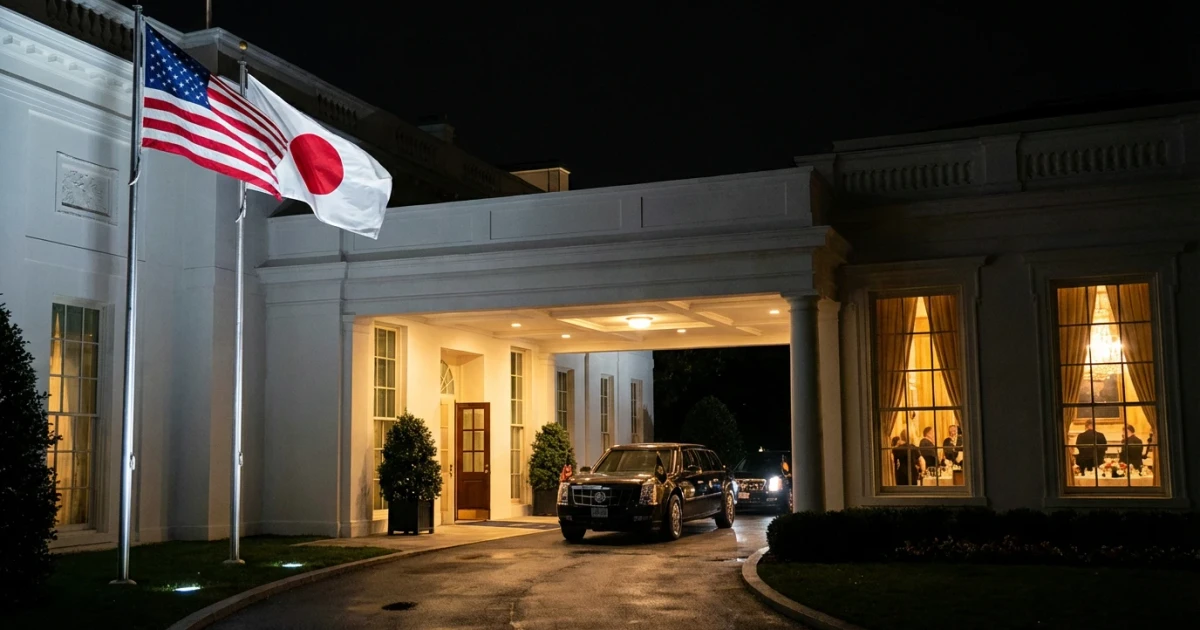
President Donald Trump hosted the Japanese Prime Minister for a formal dinner at the White House, underscoring the longstanding diplomatic relationship between the United States and Japan. The event, covered by C-SPAN, marked another step in the ongoing engagement between the two nations’ leaders, reinforcing a partnership that spans economic, security, and cultural interests.
Diplomatic Significance of the White House Dinner
Formal dinners at the White House are often reserved for close allies and signal the importance of bilateral ties. In recent years, the U.S.-Japan relationship has been characterized by a commitment to regional security and economic cooperation. According to the U.S. Department of State, Japan is one of America’s most significant partners in the Indo-Pacific region, with shared interests ranging from trade to defense.
Strengthening Economic and Security Cooperation
U.S.-Japan trade continues to be a cornerstone of the relationship. Data from the U.S. Census Bureau shows that Japan consistently ranks as one of the United States’ largest trading partners, with bilateral goods trade exceeding $200 billion annually. Both countries collaborate on key issues such as supply chain resilience, technology standards, and market access.
- Japan is the United States’ fourth-largest export market.
- Major U.S. exports to Japan include aircraft, machinery, and agricultural products.
- Japan is a leading source of foreign investment in the United States.
On security, the U.S.-Japan alliance remains a pillar of stability in East Asia. The two countries coordinate closely on regional threats and regularly conduct joint military exercises to ensure readiness and deterrence.
Public Perception and Cultural Ties
The importance of high-profile engagements like state dinners is also reflected in public opinion. Research from the Pew Research Center indicates that a majority of Japanese citizens view the United States as a reliable partner, though opinions about individual leaders can fluctuate. Cultural exchanges, educational programs, and tourism further strengthen the relationship, with millions of Americans and Japanese visiting each other’s countries each year.
Looking Ahead
The White House dinner serves as a reminder of the enduring ties between the United States and Japan. While the immediate agenda is shaped by current global challenges and opportunities, both nations remain committed to deepening their alliance. As the two leaders continue their dialogue, observers expect ongoing cooperation on trade, security, and regional issues to remain at the forefront of the partnership.