Technology
Trump Withdraws AI Executive Order Over Industry Concerns
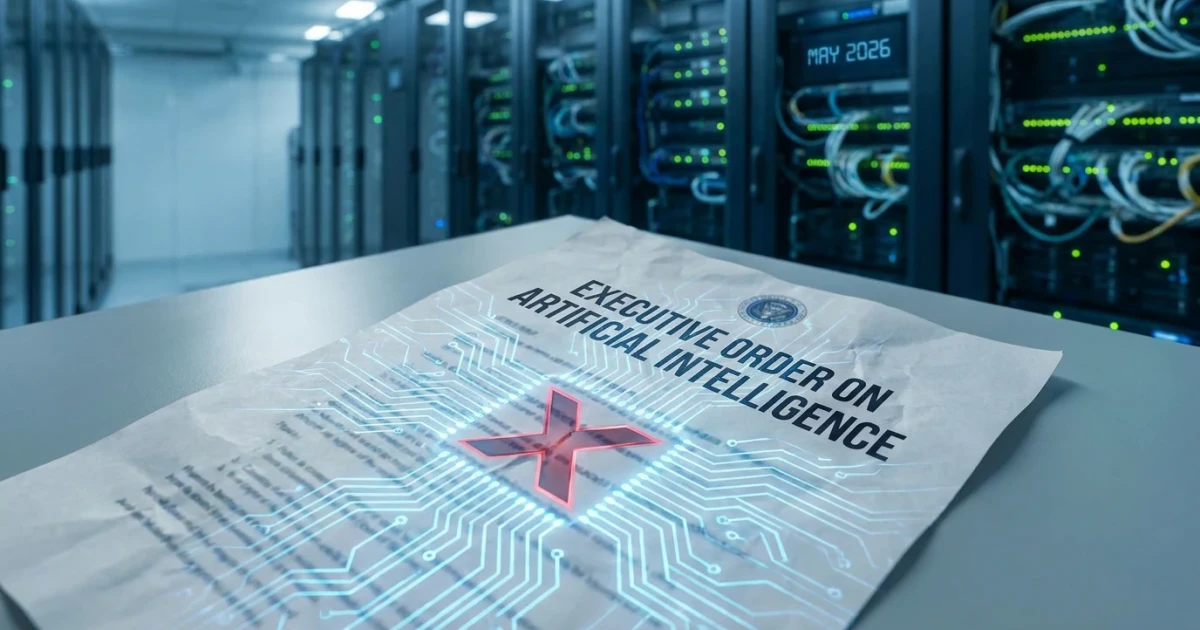
Donald Trump has decided not to sign a widely anticipated executive order on artificial intelligence, with multiple news outlets reporting that the former president shelved the measure over concerns about its potential impact on the AI sector.
Concerns Over Industry Impact Prompt Policy Shift
According to recent coverage from OregonLive.com, Tech Xplore, and WSLS, Trump abruptly halted plans to enact a new AI executive order, citing fears from industry leaders and policymakers that the proposed regulations could stifle innovation and hinder growth in the United States' burgeoning AI industry. All three sources independently reported that the decision was motivated by widespread concern within the technology sector about possible unintended consequences of new federal mandates.
- OregonLive.com stated the decision was made amid concerns that the order "could hurt the industry."
- Tech Xplore highlighted Trump's postponement, emphasizing his worry that immediate regulation might slow AI development and competitiveness.
- WSLS confirmed that the plan was "called off" due to similar apprehensions about negative effects on the industry.
Background: Federal Action on AI Regulation
In the wake of significant advances in artificial intelligence technology, the U.S. government has increasingly focused on establishing a framework for the safe, secure, and trustworthy development and use of AI. The Biden administration previously signed an executive order in 2023 aimed at setting initial guidelines for federal AI use and risk management. Since then, lawmakers from both parties have debated how best to balance innovation with accountability and oversight, as seen in legislative efforts like Senate Bill S.2714 and ongoing work by federal agencies such as the National Institute of Standards and Technology.
AI Industry's Rapid Growth and Regulatory Uncertainty
The U.S. AI industry continues to expand rapidly, with market data showing robust investment and adoption across sectors. However, leading technology companies and industry associations have frequently voiced concerns that premature or overly broad regulations could disrupt innovation, affect global competitiveness, and introduce compliance burdens for startups and established firms alike.
These concerns appear to have influenced Trump’s decision to withdraw the executive order, with all sources pointing to input from business leaders and policymakers as a key factor. The postponement reflects ongoing debates about the timing and scope of AI regulation, as the U.S. seeks to maintain its leadership in a field that is both economically significant and strategically sensitive.
What Happens Next for Federal AI Policy?
Trump’s move leaves the future of federal AI regulation uncertain. While some advocates argue for robust safeguards to address risks such as bias, privacy, and safety, others caution that overregulation could hamper progress. The OECD AI Policy Observatory notes that the U.S. has yet to implement comprehensive federal legislation on artificial intelligence, relying instead on a patchwork of executive actions, agency guidance, and state-level initiatives.
As the debate continues, industry stakeholders and policymakers will likely remain at the center of discussions about how to chart a course that fosters both innovation and accountability in AI development. With the withdrawal of this executive order, the immediate regulatory landscape remains unchanged, but the conversation on appropriate oversight is far from over.