World
Trump won’t rule out U.S. ground invasion of Iran
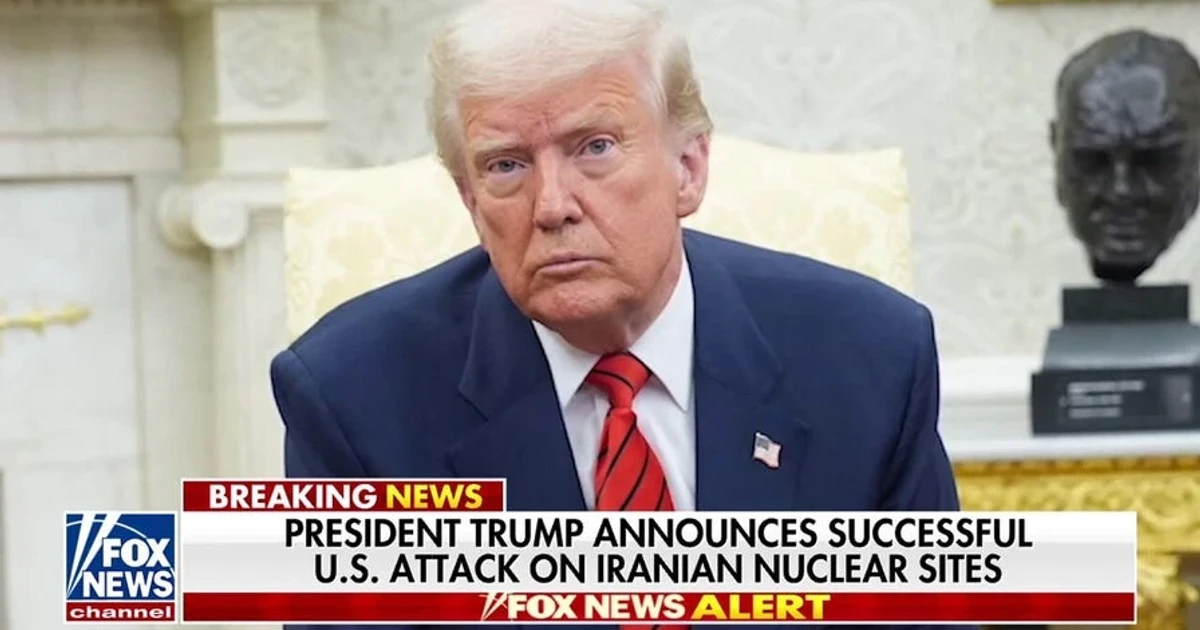
President Donald Trump said on Fox News that he would not rule out sending U.S. ground troops into Iran, even as American strikes against Iranian targets continued. The warning matters because it keeps open a military option that is far more consequential than air power alone, and it does so while Washington and Tehran are already trading threats over how far the conflict will spread.
Pentagon officials had already drawn up detailed preparations for possible ground operations in Iran, including requests from senior commanders, detention arrangements for Iranian soldiers and paramilitary operatives, and possible deployment of elements of the 82nd Airborne Division and Marine Expeditionary Units. The planning under discussion in March called for fewer than 1,500 troops, a scale that points to a limited mission at first rather than a full invasion, but one that would still require force protection, detention capacity, and clear rules for what American troops would be expected to do on the ground.
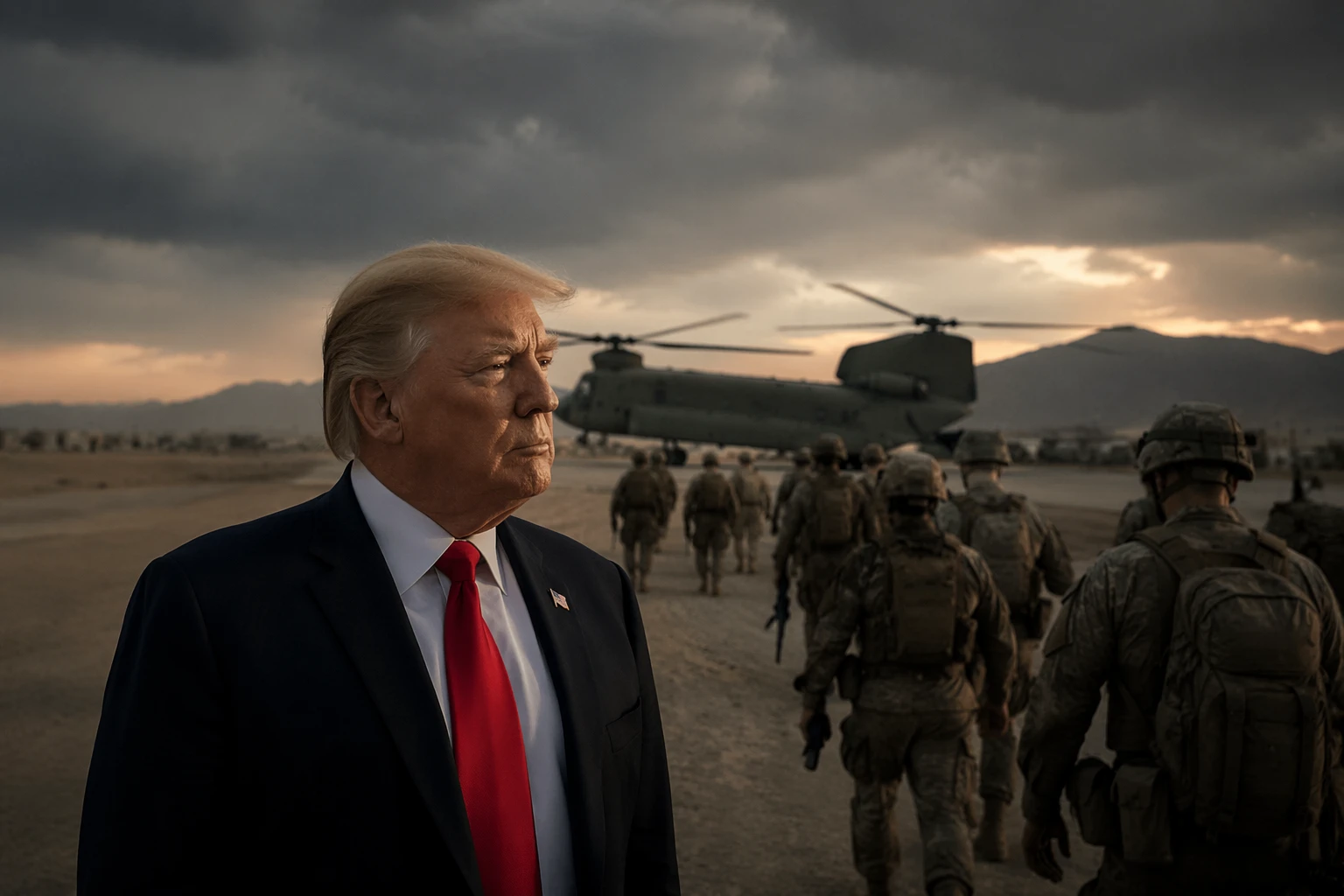
U.S. Central Command said the air campaign had already involved more than 9,000 combat flights and strikes on more than 9,000 military targets. That breadth shows how far the conflict had advanced before any open talk of ground troops, and it also shows why the administration’s language changes the stakes: once ground forces enter the picture, the campaign moves from punishment from the air to a far riskier commitment that could put U.S. personnel in direct contact with Iranian forces and allied militias.
Trump had previously said, “No, I'm not putting troops anywhere,” while adding that if he did move forces, he would not announce it in advance. White House press secretary Karoline Leavitt said the Pentagon’s planning did not mean the president had decided to send troops. Iran has repeatedly warned that U.S. forces would face retaliation if the conflict widened, and Iranian officials have condemned Trump’s threats as well as reports of possible American ground operations.
The prospect of a longer ground fight has also sharpened the political fight in Washington. Some lawmakers have argued that Congress should reassert its war powers if the conflict turns into a prolonged ground operation, and they have pressed for more briefings on the military plans. Public opinion has been skeptical of escalation: a Reuters/Ipsos poll in March found that 65% of U.S. adults thought Trump would eventually order troops into Iran, but only 7% supported sending troops into a ground war and 55% opposed it.
Sources
- [1]cbsnews.com
- [2]thehill.com