World
Trump's angry entrance clouds NATO summit hopes in Ankara
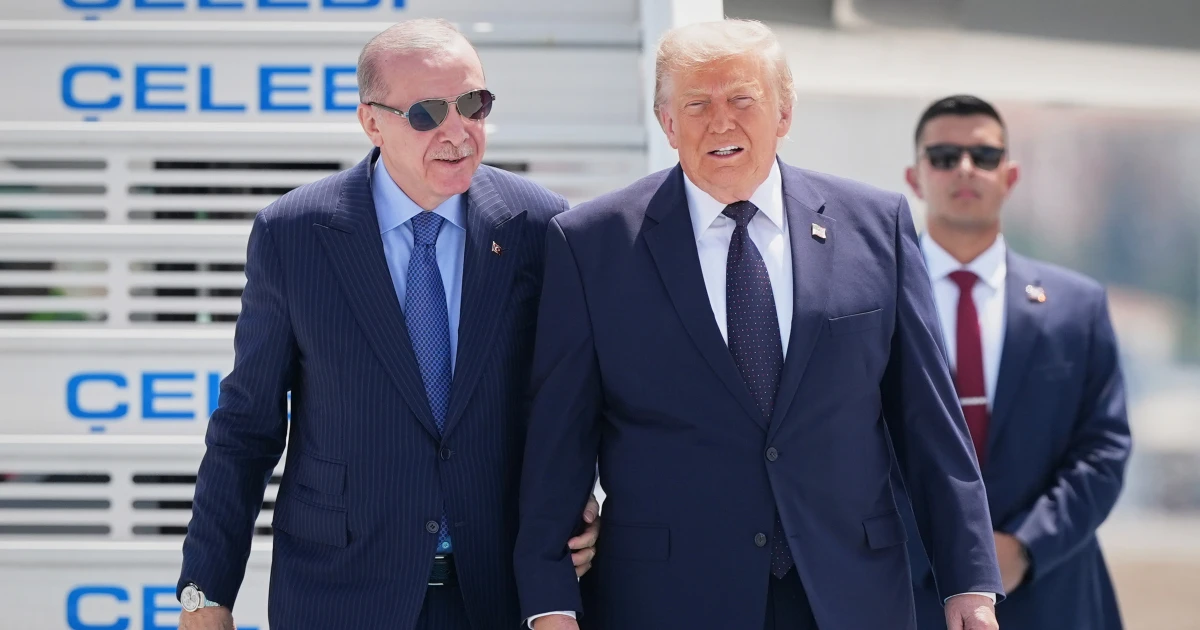
Donald Trump arrived in Ankara on Tuesday and quickly told NATO allies he was “very disappointed with NATO,” reopening disputes over Greenland, Iran and Europe just as leaders were trying to project unity at the July 7-8 summit in Türkiye. Instead of a polished show of consensus, the opening day became a test of whether the alliance could keep its attention on defense spending and procurement while Trump revived old grievances.
The summit was meant to build on NATO’s 2025 Hague commitment for allies to spend 5% of GDP annually on defense by 2035, including at least 3.5% for core defense requirements. NATO also used the Ankara gathering to showcase an expansion of defense-industrial production, saying major new procurements were unveiled at its Summit Defence Industry Forum on July 7.
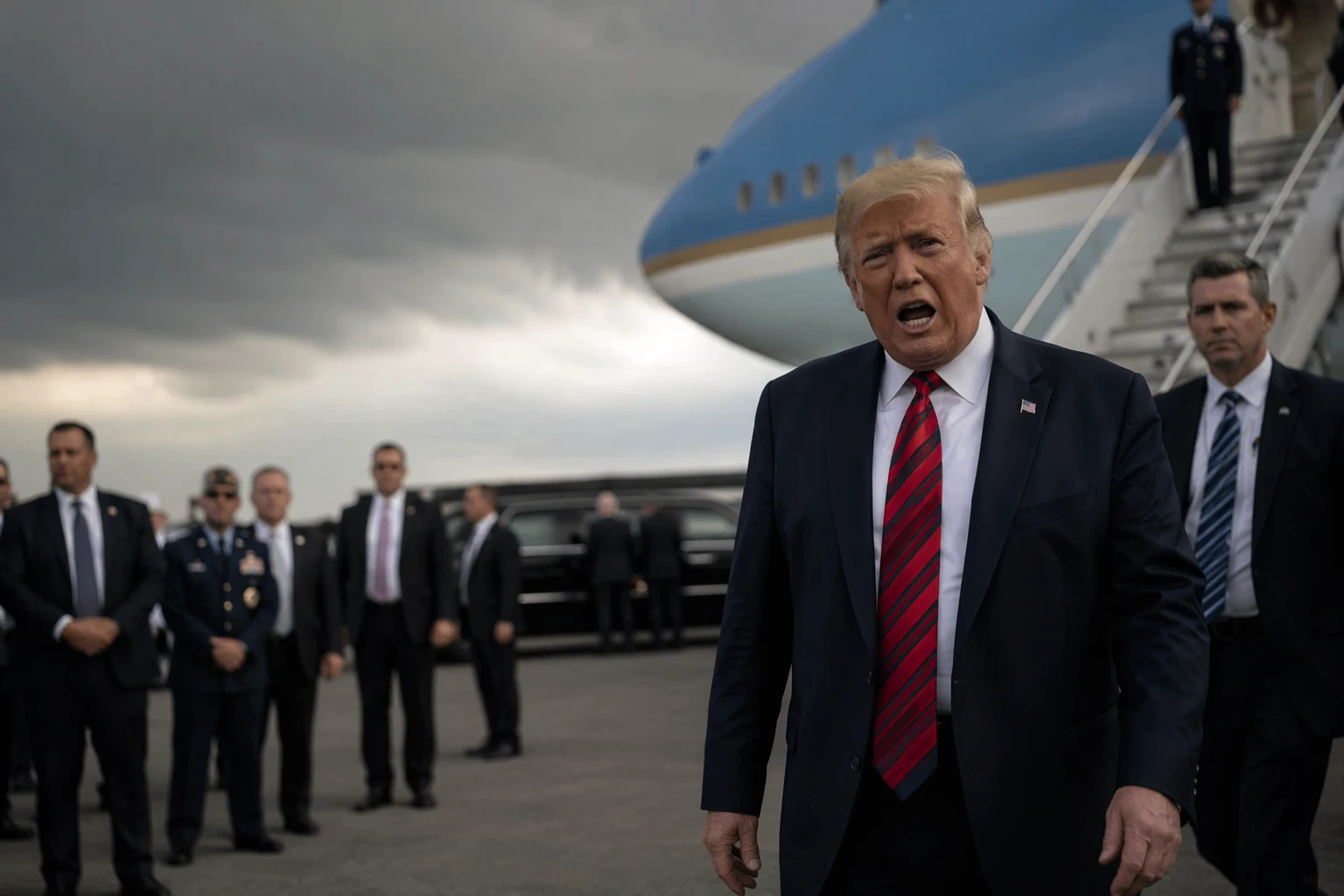
That message collided with Trump’s own agenda. He again floated an American takeover of Greenland and suggested the United States could remove troops from Europe if pushback continued. He also repeated complaints over Iran and left allies seeking clarity about possible U.S. troop drawdowns, even as European leaders had spent weeks highlighting higher defense budgets and plans to buy more American weapons.
The financial stakes were substantial. NATO’s U.S. ambassador, Matt Whitaker, said allies had committed nearly $120 billion in defense spending over the past year, with about half of that going to American-made equipment. That was, he said, a “good start,” and it marked a jump from the extra $90 billion allies had touted at the previous summit. Reuters said NATO unveiled arms deals worth at least $50 billion earlier on Tuesday, underscoring how the summit was already being used to show that Europe was moving toward the 5% trajectory.
Yet the atmosphere in Ankara was shaped less by grand strategy than by damage control. Trump’s renewed Greenland push echoed the crisis that erupted in January 2026 and triggered protests in Copenhagen and Nuuk. Danish Prime Minister Mette Frederiksen said Greenland was not for sale, while European leaders worked to persuade Trump to recommit to the alliance after his latest outbursts.
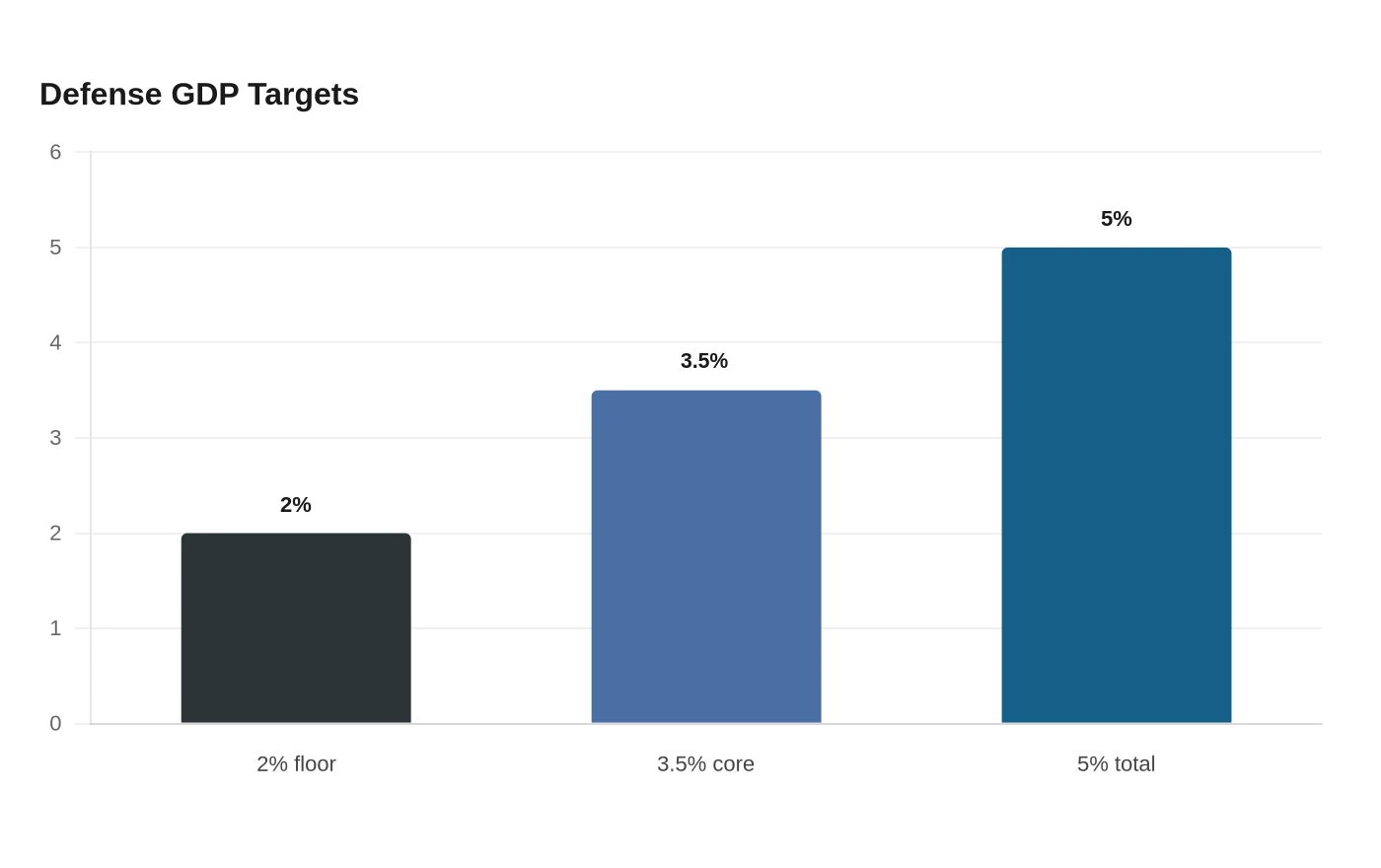
The contrast with NATO’s older benchmark was stark. The alliance’s 2014 Wales Summit set the 2% of GDP defense floor, and Trump has argued that allies should move from 2% to 5% or risk losing U.S. support. In Ankara, that pressure left the summit’s main task unchanged but harder to execute: keep allies spending more, keep Washington engaged, and prevent internal political volatility from becoming as disruptive as any external threat.
Sources
- [1]news.google.com
- [2]politico.com
- [3]cnbc.com
- [4]reuters.com
- [5]nato.int