US News
Trump's Black jobs promise collides with widening unemployment gap
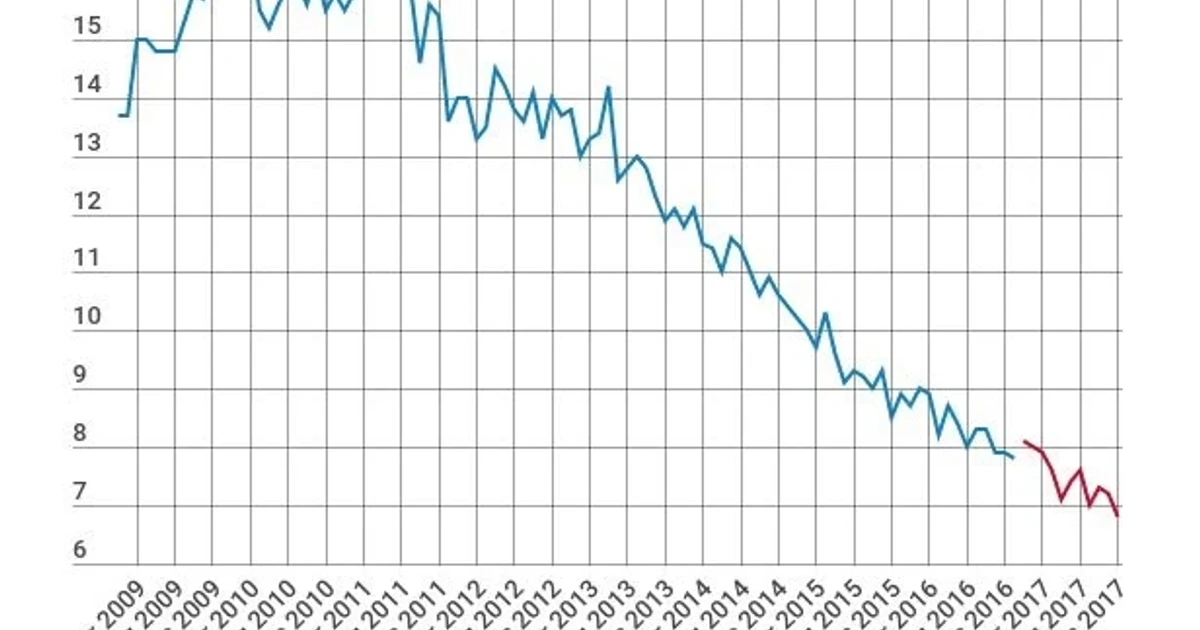
The national unemployment rate stayed at 4.3 percent in May 2026 even as total nonfarm payroll employment rose by 172,000, but the Bureau of Labor Statistics data still showed a persistent divide between Black and White workers. The labor agency’s monthly survey tracks unemployment by race, sex and age, including Black women 20 years and over, making the gap visible long before the broader jobs picture turns.
That divide matters because the middle class is shrinking and Black households remain more vulnerable to falling out of it. Pew Research Center found that 61 percent of Americans lived in middle-class households in 1971, but that share had dropped to 51 percent by 2023. Urban Institute has found that Black and Hispanic Americans are more likely to fall out of the middle class each year, while racial disparities in job quality remain tied to historical and contemporary policy choices.
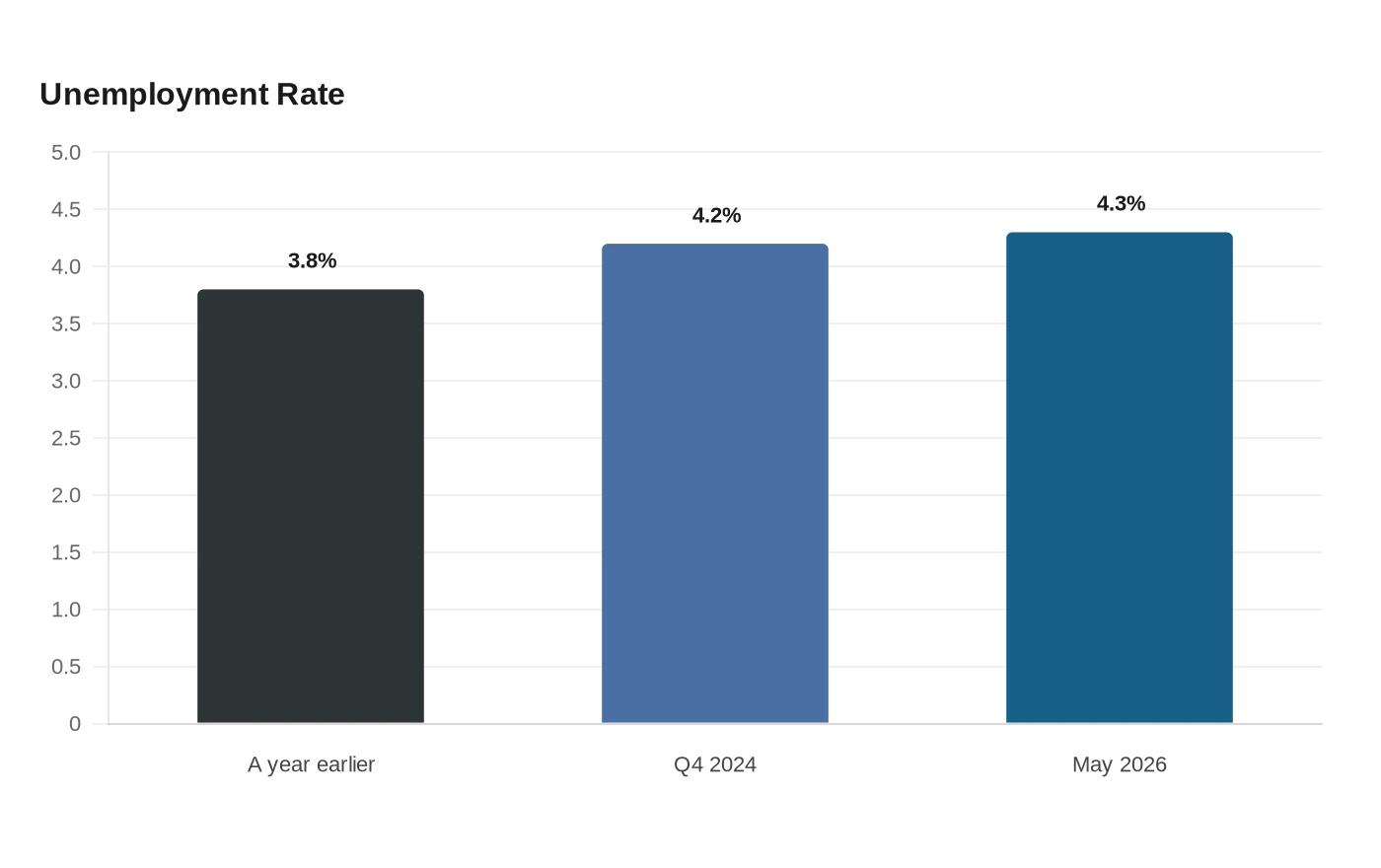
The warning signs were already building before the latest monthly jobs report. In the fourth quarter of 2024, the overall unemployment rate rose to 4.2 percent from 3.8 percent a year earlier, and the total number of unemployed Americans climbed to 7.0 million from 6.4 million. That softening labor market set the stage for a broader squeeze that has hit Black workers harder than White workers.

Black women have been especially exposed. The NAACP says they are concentrated in public service, care work and nonprofit jobs, sectors that have taken on added strain from recent cuts and policy changes. The organization says dismantling DEI programs is contributing to job losses among Black professionals, and it has described the current moment as a “Black recession.” It also says the Black jobs deficit increased by nearly 20 percent between 2024 and 2025.
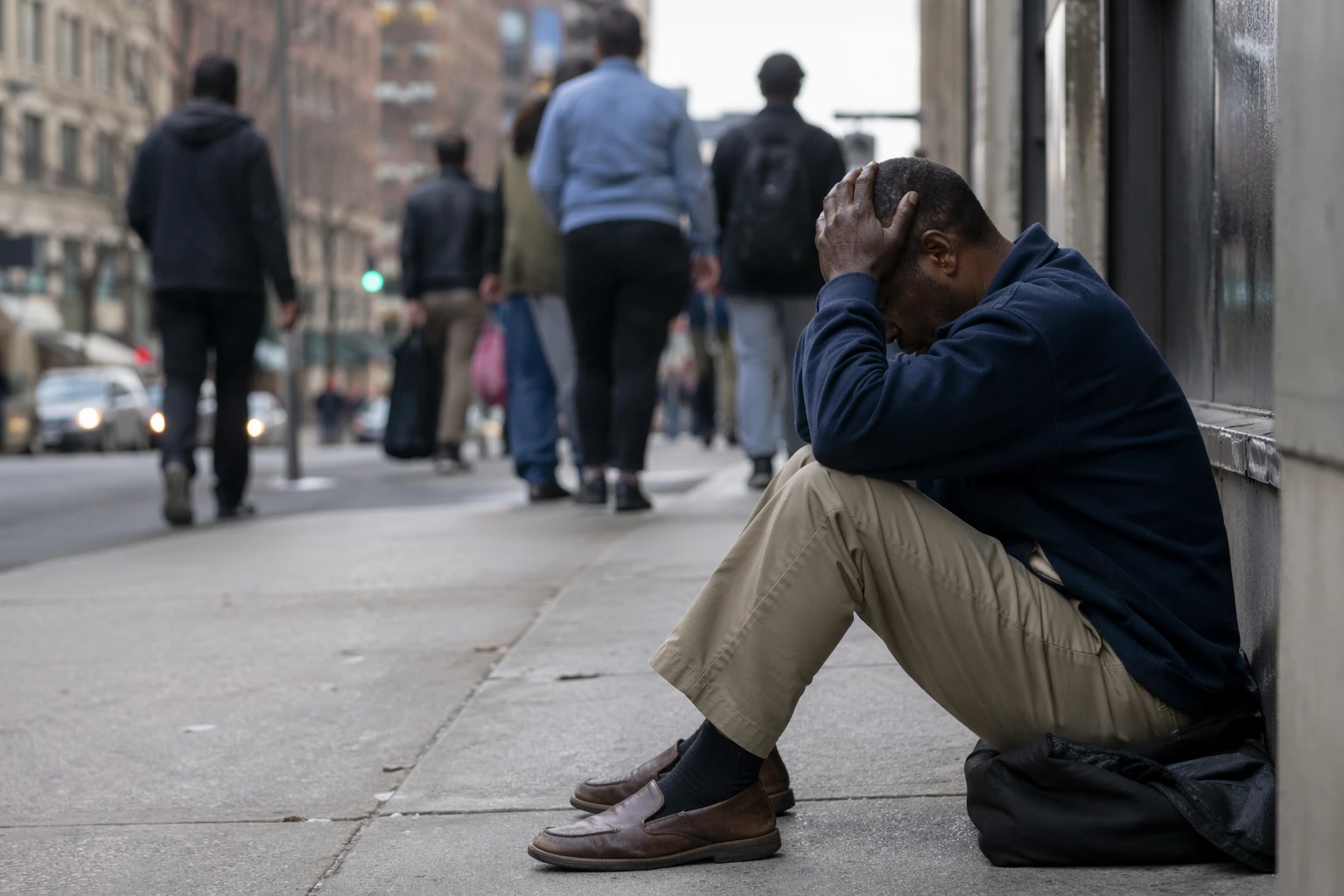
The stakes reach beyond the labor market. Urban Institute says the racial wealth gap continues to limit Black families’ economic power, even for workers with college degrees and middle-class credentials. That gap helps explain why a strong headline unemployment rate can coexist with real damage in Black communities, where stable work has become harder to secure and harder to keep.
Sources
- [1]washingtonpost.com
- [2]bls.gov
- [3]pewresearch.org
- [4]urban.org
- [5]naacp.org