Politics
Trump’s business empire sparks emoluments scrutiny in White House
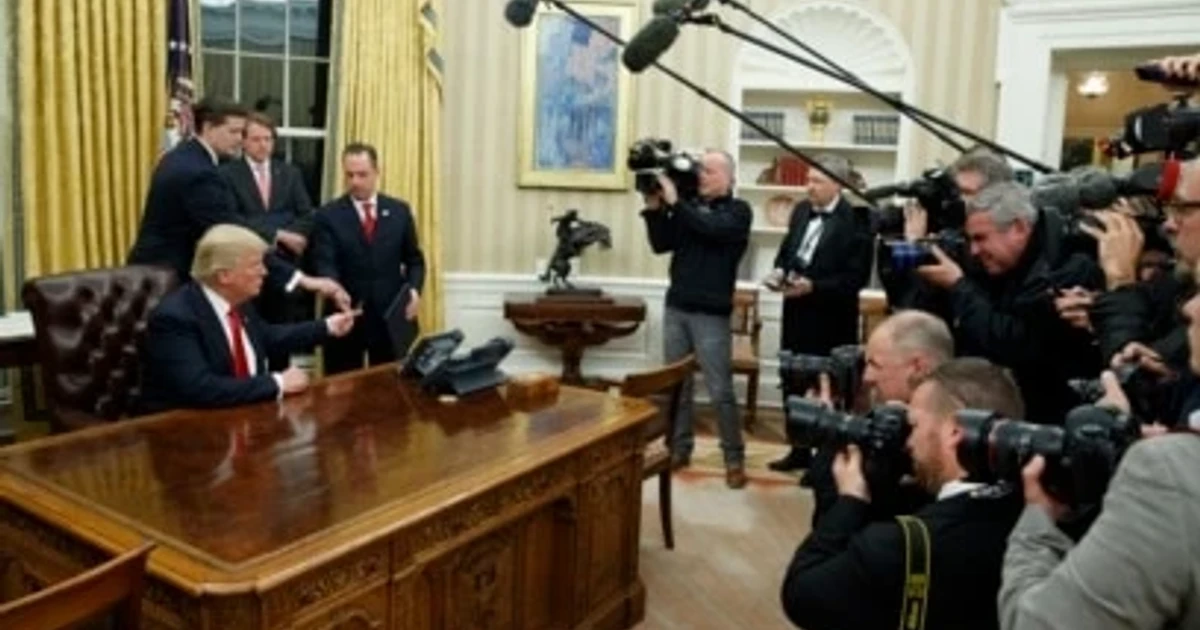
Trump entered the White House still tied to a global real-estate and hospitality empire, and that decision pushed conflict-of-interest rules into territory they had rarely been forced to cover. What had once been a matter of presidential restraint became a legal and political test of whether Congress, courts or voters could stop a sitting president from profiting while in office.
The guardrails that were supposed to hold
American presidents have usually tried to avoid even the appearance of benefiting from public office. The expectation was simple: separate state power from private gain, then let disclosure, divestment, and public pressure do the rest. Trump broke with that tradition by keeping ownership of a sprawling business while serving as president, which made the old norm look less like an enforceable rule and more like a custom that depended on goodwill.
That gap mattered because the Constitution’s emoluments clause had long been a mostly obscure safeguard. It bars a president from accepting gifts or payments from foreign or state governments without congressional approval, but it does not spell out an automatic enforcement system. Once Trump was in office, the question was no longer theoretical: what happens when the president’s private business can be enriched by the same governments and politically connected figures that seek access to the White House?
Why Trump’s business holdings drew immediate alarm
The concern was not only that Trump owned a business, but that he owned one built on real estate and hospitality, sectors where visibility, patronage, and status matter. Critics warned that foreign governments, lobbyists, and other well-connected visitors could steer business toward Trump-branded properties, giving his company a direct benefit from public power. The Trump International Hotel Washington, D.C. became the most visible symbol of that worry after his inauguration on January 20, 2017, when foreign governments were reported to have patronized it.
That hotel was only one piece of the broader problem. Trump kept ownership of the Trump Organization while serving as president, which meant the potential conflicts were not limited to one building or one city. The issue quickly moved beyond optics and into the realm of influence, because the presidency offered access, and access could translate into revenue.
The political response started before inauguration
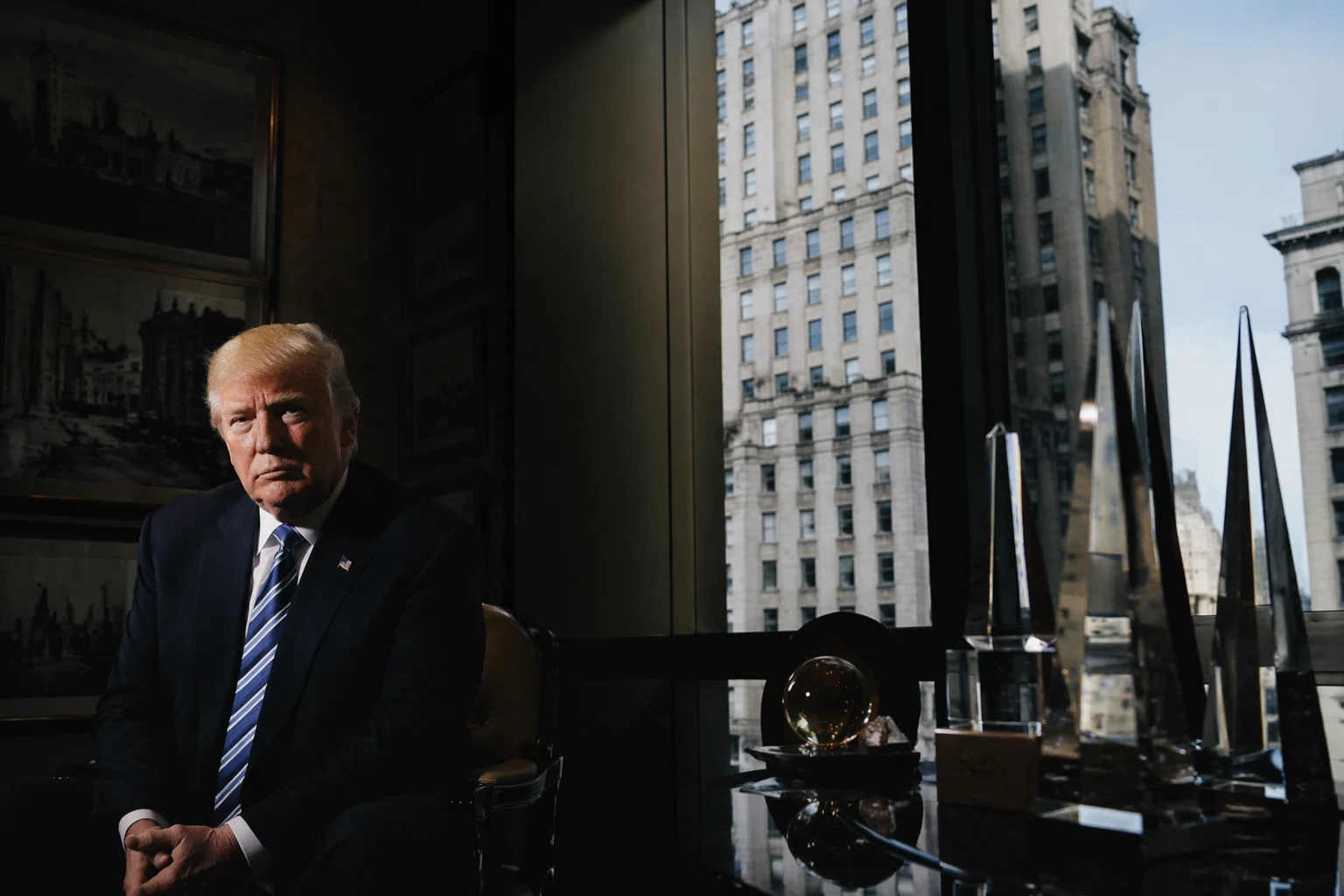
The first major legislative push came on January 9, 2017, when Democratic members of Congress introduced the Presidential Conflicts of Interest Act of 2017. The bill sought to require the president and vice president to fully disclose and divest personal financial conflicts of interest, a direct response to Trump’s refusal to fully separate from his holdings. Sen. Elizabeth Warren’s office framed the legislation around the need for full divestment, not partial distance or informal management changes.
That response reflected a deeper fear: disclosure alone could not solve a conflict if the officeholder still owned the assets at issue. The bill’s introduction also underscored how weak the existing guardrails looked once a president entered office with a private empire intact. The political system had long relied on presidents choosing restraint, but Trump’s decision showed how fragile that norm could be when it depended on voluntary compliance.
What Trump said he changed, and what he did not
Trump said he had reduced conflicts by stepping back from the Trump Organization and handing day-to-day control to his adult sons, Donald Trump Jr. and Eric Trump. That move created a layer between the presidency and daily business operations, but it did not amount to full divestiture. He retained ownership, which meant the financial upside and downside of the company still remained linked to the man in the Oval Office.
His financial disclosure later reported assets of at least $1.4 billion, reinforcing the scale of what remained under his control. That number mattered because it showed this was not a small side interest or a passive investment portfolio. It was a large and complex business structure, with real-estate and hospitality interests that could be affected by decisions made in Washington, D.C., and beyond.
How the emoluments fight turned into litigation
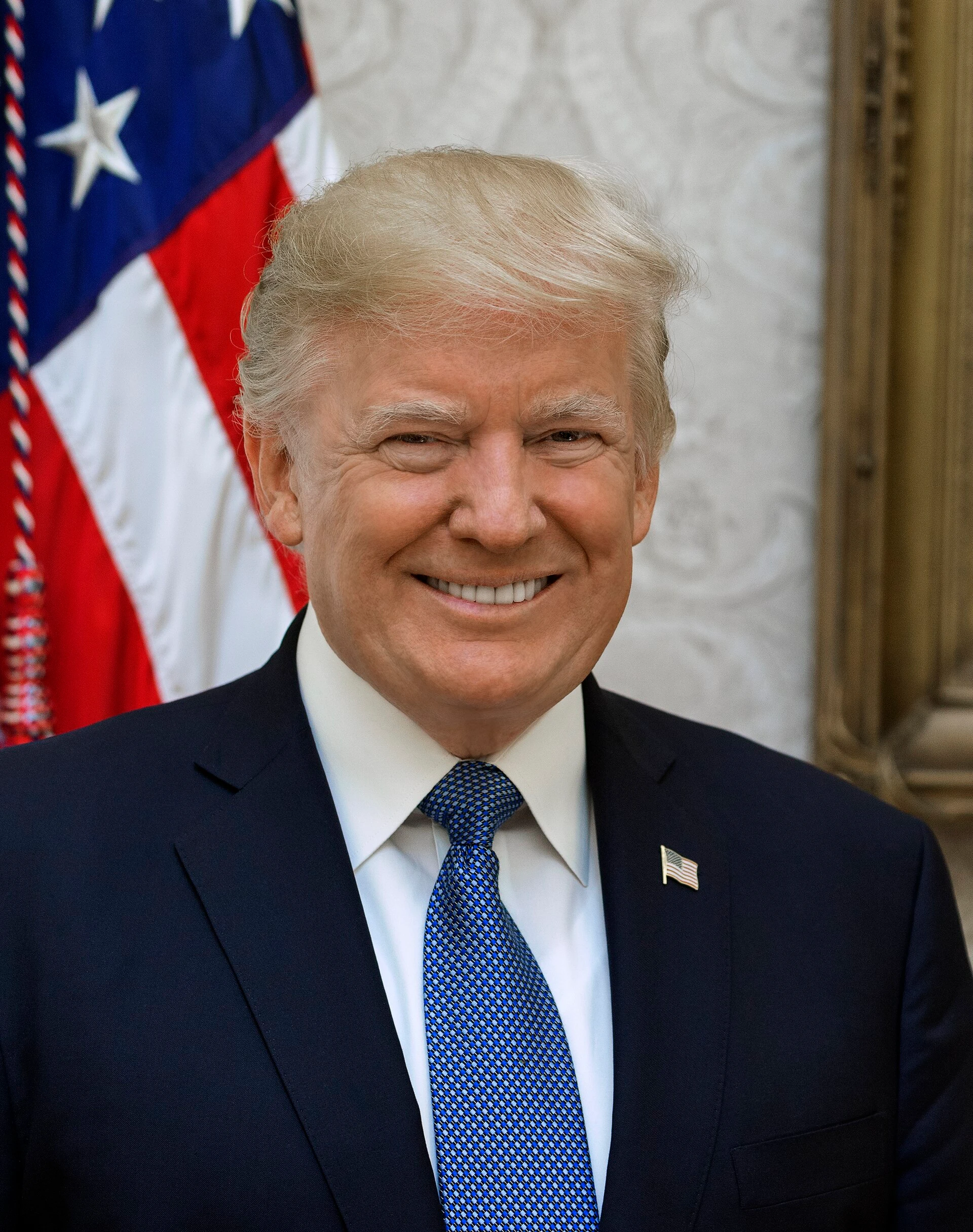
The emoluments issue became serious enough to generate lawsuits and years of political controversy. The Associated Press described the core legal dispute as whether foreign or state governments were funneling prohibited benefits to a president through hotels and other properties, and the suits alleged that such use of Trump-owned businesses violated the Constitution’s emoluments clause. One case centered on the Washington hotel, while broader litigation treated the matter as both an official and a personal conflict.
The deeper significance was that Trump’s holdings forced modern courts and political institutions to confront a presidency with conflicts of interest on a scale that had rarely been tested. The clause existed, but enforcement depended on outside actors willing to press the issue. That left Congress, the courts, and ultimately voters as the only real checks on a president who could keep profiting unless someone made the costs high enough to matter.
A stress test for presidential ethics
Trump’s first days in office showed how quickly long-standing ethics norms can collapse when they are not backed by hard enforcement. The old model assumed a president would sell assets, avoid entanglements, or at minimum stay well clear of businesses that could benefit from the office. Trump’s path exposed the opposite reality: a president could keep ownership, delegate daily control, and force the country to litigate whether that was enough.
That is why the emoluments fight mattered beyond Trump’s brand or his hotels. It turned an old constitutional safeguard into a live question about power, profit, and accountability, and it showed how easily the balance can tilt when the rules depend on restraint rather than consequences.
Sources
- [1]nytimes.com
- [2]warren.senate.gov
- [3]apnews.com
- [4]politico.com
- [5]congress.gov