US News
Trump's Cuba Comments Spark Tension Amid New Sanctions
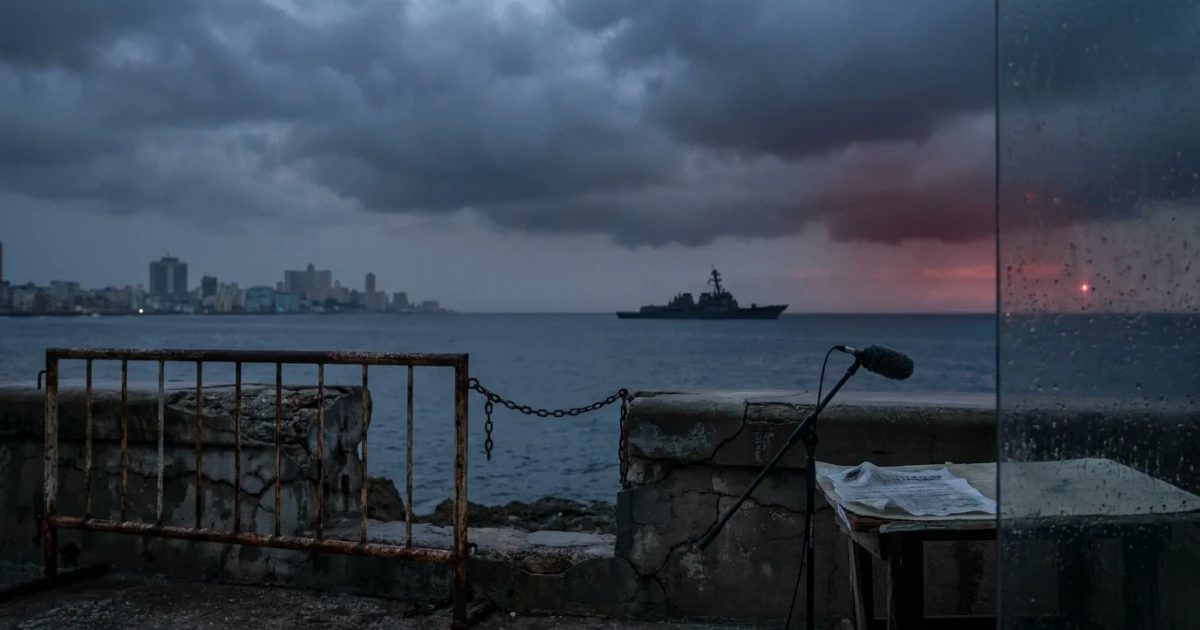
Donald Trump made headlines after joking that the US Navy would "take over Cuba almost immediately" on its return from Iran, a remark that quickly followed the announcement of new US sanctions targeting the island nation. The Cuban government responded sharply, denouncing the measures as "collective punishment" and warning of worsening relations between Havana and Washington.
Trump's Comments Stir Controversy
While speaking to supporters, Trump’s offhand comment about the US Navy’s potential action against Cuba was widely circulated. Though made in a joking context, the statement drew immediate attention given the historical sensitivity surrounding US-Cuba relations. Recent US naval deployments have focused on the Middle East, and any suggestion of military action in the Caribbean region inevitably raises concerns among both Cuban officials and international observers. US-Cuba relations have long been marked by tension, with military threats and interventions a recurring theme since the Cold War era.
New Sanctions Announced
Adding to the diplomatic strain, the US rolled out a fresh set of sanctions regulations targeting Cuban government entities and certain individuals. These measures, part of a broader sanctions program first established decades ago, are intended to pressure Cuba on human rights and political reforms. According to data from the Specially Designated Nationals and Blocked Persons List, US restrictions have increasingly targeted financial transactions, travel, and trade involving the Cuban state and its affiliates.
- The US embargo on Cuba remains one of the longest-standing in the world, with substantial impacts on trade and finance.
- Recent regulatory updates further restrict remittances and banking access for entities linked to the Cuban government.
- Official trade data shows US exports to Cuba are limited primarily to humanitarian goods, while overall trade volumes remain low.
Cuba Condemns 'Collective Punishment'
Havana’s response was swift and unequivocal. Cuban officials denounced the new sanctions as a form of "collective punishment" that will hurt ordinary Cubans more than the government. The government argued that tightening sanctions exacerbates shortages of food, medicine, and other essentials, and accused Washington of using economic pressure to achieve political goals. According to policy analysis by the Congressional Research Service, US sanctions have had a significant humanitarian impact but have failed to force major political change in Cuba.
Diplomatic Backdrop
Trump’s remarks and the new sanctions come at a time when US-Cuba relations are already at a low point. Diplomatic engagement has been limited, and travel between the two countries remains heavily restricted. Analysts note that rhetoric suggesting military action—joking or not—tends to inflame tensions rather than open pathways for negotiation. The US maintains a naval base at Guantanamo Bay, a longstanding point of contention between the two governments.
Looking Ahead
With both sides hardening their positions, the possibility of improved relations appears remote in the near term. US policymakers remain divided on the effectiveness of sanctions, while Havana continues to push for their removal. As Trump’s comments reverberate in diplomatic circles, observers warn that tough talk and punitive measures risk further isolating Cuba and deepening the hardships faced by its people.