Politics
Trump’s declassified documents fail to back China election interference claims
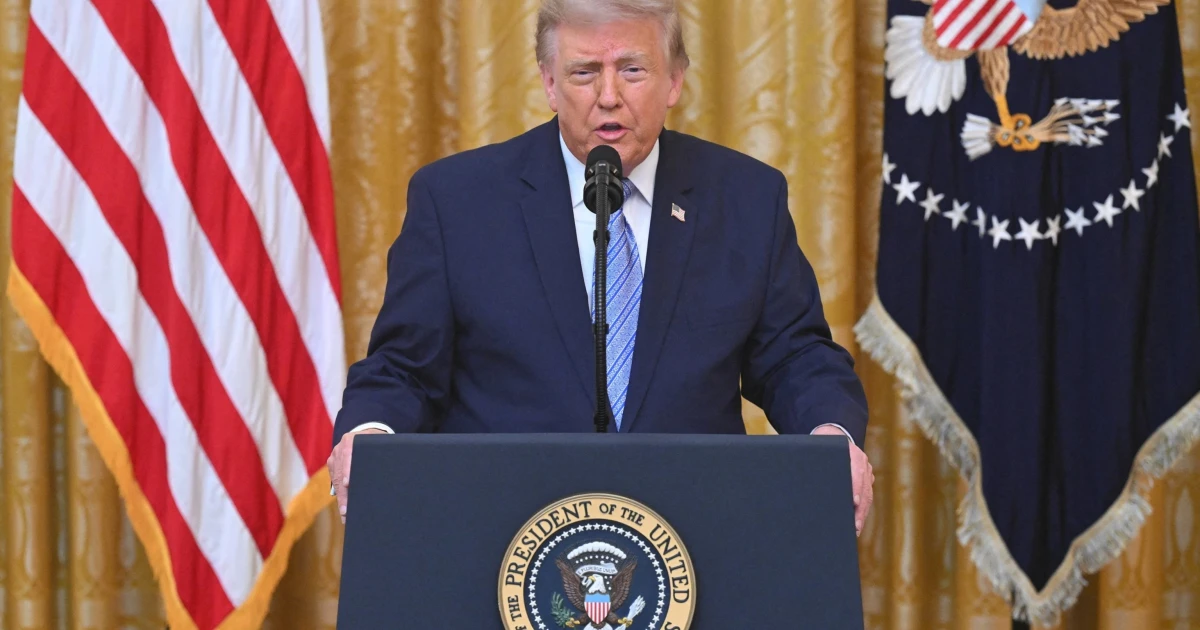
Trump used a primetime address from the White House to argue that newly declassified documents proved China interfered in the 2020 election, but the records released by his own administration did not back up his most sweeping claims. The speech, delivered on July 16, 2026, centered on election vulnerabilities and renewed allegations aimed at Beijing.
Trump also described a purported Chinese effort to undermine him in 2019, but the documents posted by the White House, though heavily redacted, did not substantiate that account. CNN said Trump framed the papers as evidence of U.S. election vulnerabilities, while CBC News reported that he presented the newly unclassified material as proof of Chinese interference in 2020. The Hill said he declassified a handful of documents and used them to argue that U.S. elections remain insecure.
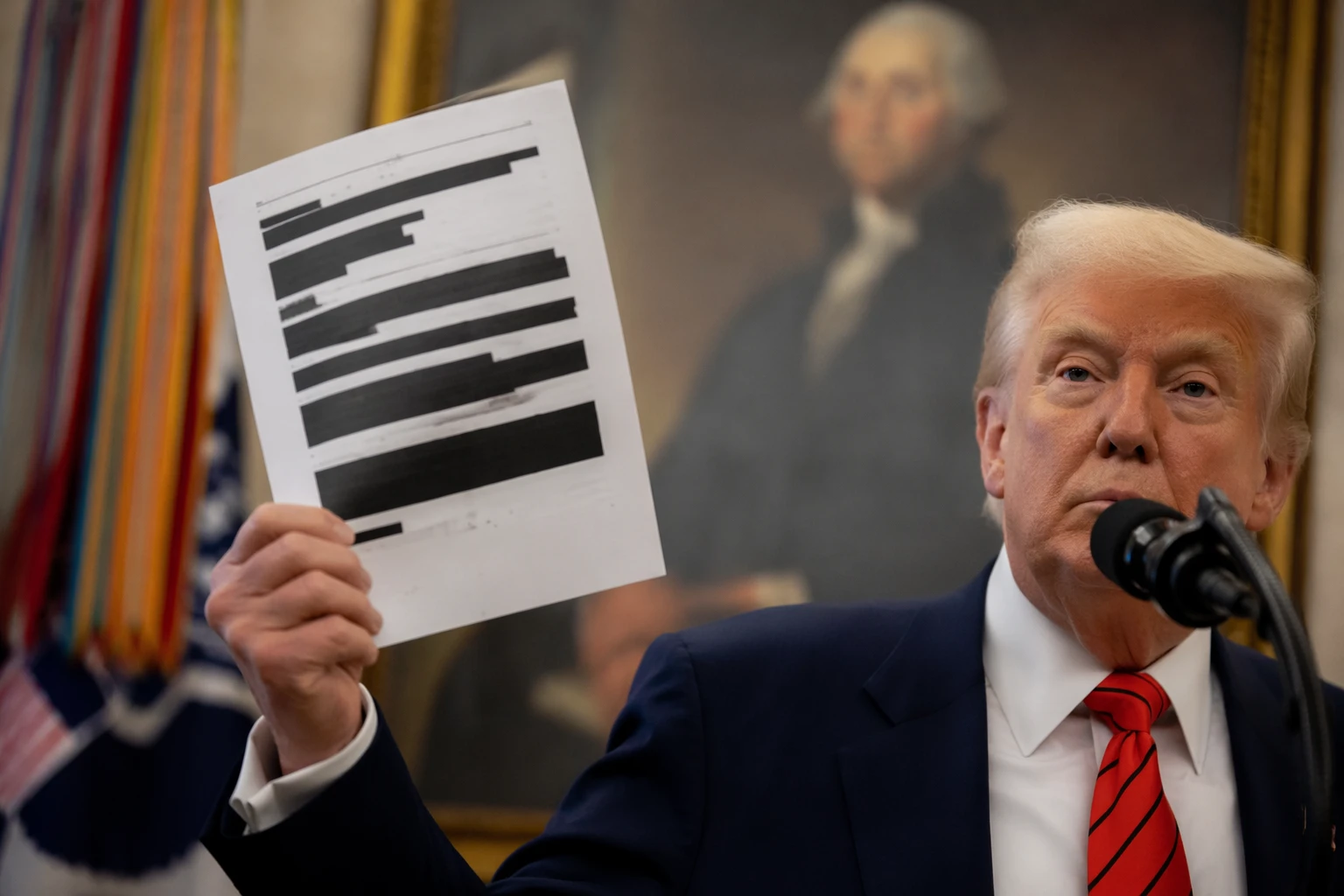
The distinction matters. The U.S. intelligence community has found no indication that China or any other foreign actor compromised election infrastructure. PolitiFact has noted that foreign influence and foreign interference are separate threats, a point that goes to the heart of Trump’s claims. Influence campaigns can seek to shape opinion, but that is not the same as breaching voting systems or changing ballots.
Reuters reported that the White House had weighed releasing controversial intelligence on China and U.S. elections before the address. That same backdrop sharpened the political stakes, because Trump’s remarks came as Democrats swiftly disputed the allegations and analysts said the documents did not support his strongest assertions. CNN Politics quoted Trump saying his purpose “is not to weaken confidence,” even as critics argued that the effect of his repeated claims has been to do exactly that.
The address fit into Trump’s years-long effort to revisit his 2020 loss. PBS NewsHour and PolitiFact described the speech as an escalation of that campaign, and coverage ahead of the event said Trump was likely to repeat unproven claims about voting machines, election fraud and proof-of-citizenship requirements. By tying those themes to declassified material, Trump sought to give old allegations fresh authority, but the documents he released did not supply the evidence his rhetoric implied.
Sources
- [1]nytimes.com
- [2]reuters.com
- [3]cbc.ca
- [4]cnn.com
- [5]thehill.com
- [6]politifact.com
- [7]pbs.org