US News
Trump's Executive Order Aims to Boost TSA Pay Amid Airport Strains
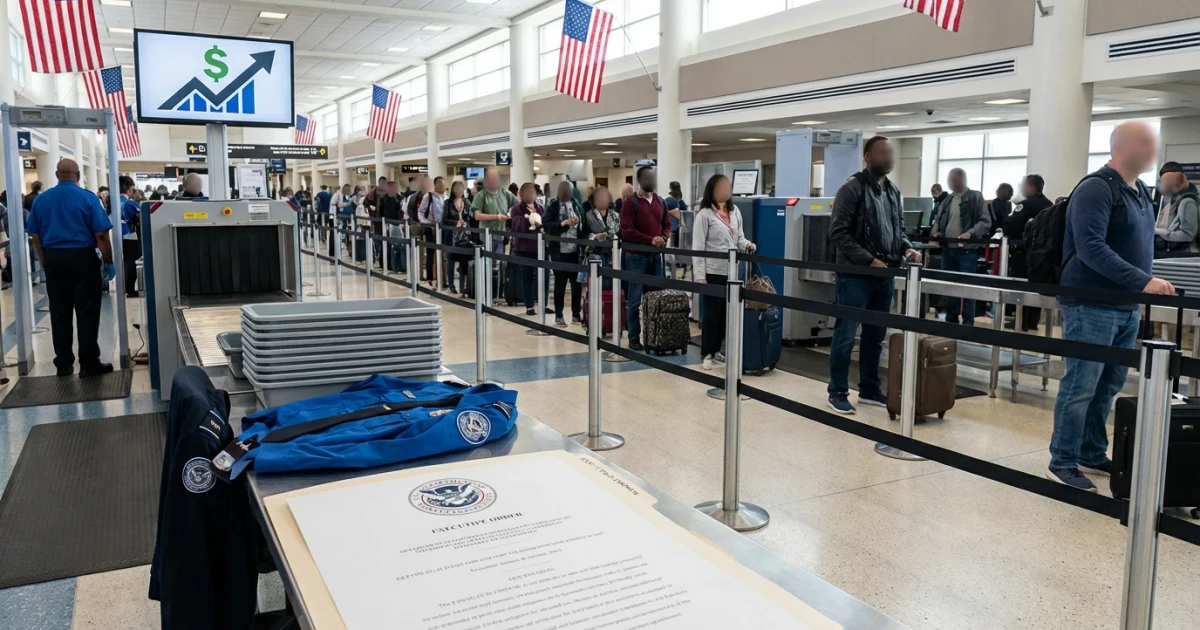
Former President Donald Trump has signed an executive order intended to increase pay for Transportation Security Administration (TSA) officers, a move designed to address longstanding concerns about low compensation and its impact on airport security line efficiency. The announcement comes as airports brace for another busy travel weekend, with travelers and officials watching closely to see how this pay boost may influence staffing levels and wait times at security checkpoints.
TSA Pay and Workforce Challenges
The executive order targets a central issue that has plagued the TSA for years: comparatively low pay for officers tasked with frontline airport security. According to previous Government Accountability Office (GAO) analysis, TSA officers have faced lower wages and morale compared to other federal law enforcement personnel, contributing to higher turnover and retention challenges. These staffing issues have, at times, led to longer security wait times for travelers, especially during peak travel periods.
While the executive order's specific pay provisions have not yet been made public, its stated aim is to bring TSA compensation closer to parity with other federal security agencies. The move follows several legislative efforts, including the Pay Our TSA Screeners Act, which sought to address the wage gap and improve recruitment and retention.
Impact on Security Lines and Airport Operations
The timing of the executive order is significant: U.S. airports are experiencing record passenger volumes, as shown by TSA checkpoint data and airport activity statistics from the Bureau of Transportation Statistics. These surges place additional pressure on security operations, with longer lines and extended wait times reported at many major hubs.
- Higher passenger throughput has led to increased demands on TSA staff, making pay and morale critical for ensuring adequate staffing levels.
- Recent data indicates that even short-term staffing shortages can contribute to significant delays, particularly during holiday and weekend travel peaks.
The executive order is seen by some as a measure to stabilize operations by making TSA roles more attractive, potentially reducing turnover and improving service at checkpoints. However, experts and workforce advocates note that such changes may take time to yield measurable improvements, as recruiting, training, and retaining new officers remains a complex process.
Traveler Uncertainty and Ongoing Concerns
As the executive order goes into effect, travelers heading into another busy weekend are left with questions about how quickly they will see changes. PBS reported ongoing uncertainty among TSA workers regarding the timing and extent of the pay increases, with some officers expressing hope for improved conditions but cautioning that immediate impacts on security lines are unlikely.
- TSA officers have long cited low pay as a deterrent to workforce stability, which in turn strains airport security operations.
- The order's rollout will be closely monitored by unions, workforce advocates, and federal oversight agencies for its effects on morale and retention.
While the executive order represents a significant step toward addressing compensation issues, stakeholders emphasize the need for sustained attention to the broader challenges facing TSA. These include the need for ongoing investment in training, technology upgrades, and comprehensive workforce support.
Looking Ahead
The effectiveness of Trump's executive order will ultimately be judged by its impact on TSA officer recruitment, retention, and airport security wait times. As the summer travel season approaches and airports continue to report high passenger volumes, the coming months will serve as a key test for whether increased pay translates into smoother operations for the traveling public.
For those interested in tracking the practical effects, official sites like the TSA Security Checkpoint Data and CBP/TSA Airport Security Wait Times provide up-to-date statistics on throughput and delays.
As the policy is implemented, experts and travelers alike will be watching to see if the executive order delivers on its promise to improve both TSA workforce conditions and the experience of millions of passengers crossing U.S. airports each day.