Business
Trump’s Fed Chair Pick Raises Questions for Mortgage Rates
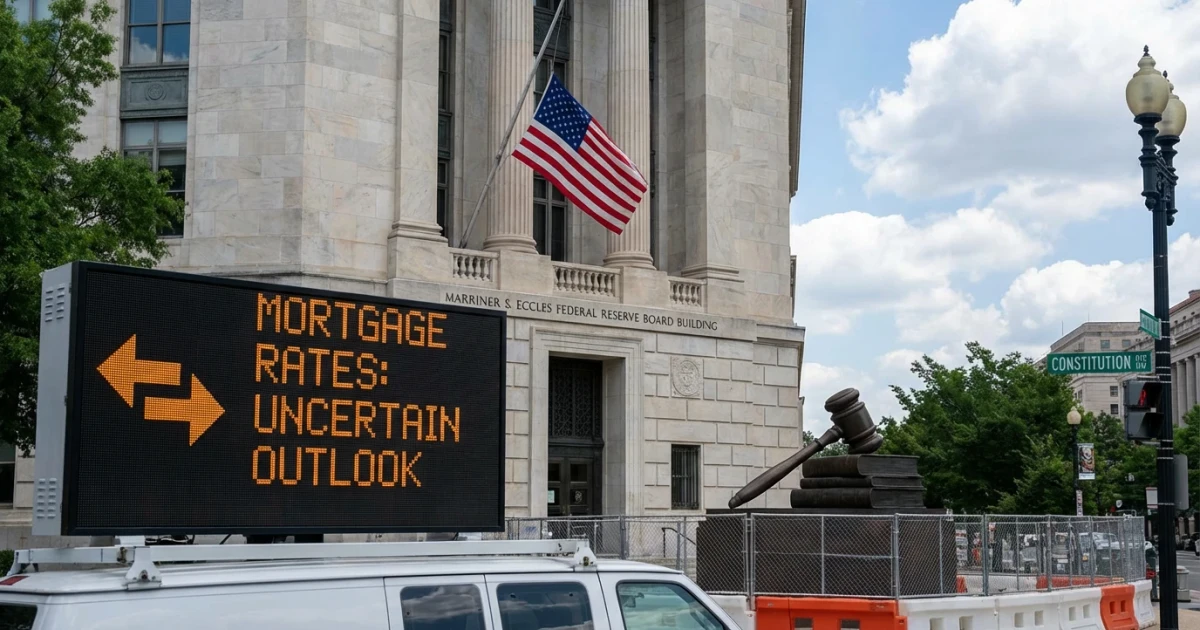
Donald Trump has made it clear that lowering mortgage rates is one of his top economic priorities. However, his reported pick to lead the Federal Reserve could take a different approach—potentially pushing rates higher, not lower. This apparent contradiction has reignited debate about just how much control the Fed chair wields over borrowing costs for American households.
The Power of the Fed Chair
The Federal Reserve sets the federal funds rate, a key benchmark that influences everything from credit cards to home loans. Traditionally, presidents have chosen Fed chairs who share their economic philosophy, hoping to support their agenda. But as The Washington Post notes, the relationship between the White House and the Fed is often more complicated. While the president nominates, the Senate confirms the chair, who is then expected to act independently to fulfill the Fed’s dual mandate: stable prices and maximum employment.
“How much power does the Fed chair really have?” is a question at the heart of America’s monetary policy. Although the Fed can steer broad financial conditions, other factors—like global markets, investor sentiment, and inflation expectations—play major roles in determining mortgage rates. For example, even if the Fed signals a pause or cut in its benchmark rate, mortgage rates may not fall in lockstep due to market volatility or persistent inflation.
Trump’s Priorities Meet Policy Reality
Trump has repeatedly called for lower borrowing costs to make homeownership more affordable and turbocharge the housing market. Yet, according to The Washington Post, his likely Fed chair nominee is known for a hawkish stance—meaning a preference for higher rates to curb inflation. This could put the nominee at odds with Trump’s stated goals, especially if inflation remains above the Fed’s target.
- Mortgage rates remain elevated, with the average 30-year fixed rate hovering near recent highs.
- Homebuyers have faced affordability challenges as rates have more than doubled since the pandemic lows.
- Rising borrowing costs have also slowed the pace of home sales and new construction, according to industry data.
What Drives Mortgage Rates?
The mechanics of how Federal Reserve policy affects mortgage rates are complex. When the Fed raises its benchmark rate, the cost of borrowing for banks increases, which can push up rates for consumers. However, mortgage rates are also influenced by the bond market, investor appetite for risk, and expectations about future inflation. This means that even a dovish—or rate-cutting—Fed chair may not guarantee immediate relief for homebuyers.
Recent Federal Reserve statements and projections have emphasized a cautious approach, balancing inflation risks against economic growth. Market analysts point out that the next Fed chair will inherit a challenging environment: persistent inflationary pressures, uneven economic growth, and political scrutiny from both parties.
Potential Impact for Homeowners and Buyers
The uncertainty over Fed leadership has left many Americans wondering what’s next for the housing market. If the new chair adopts a hawkish stance, mortgage rates could stay higher for longer, making it harder for first-time buyers to enter the market or for current homeowners to refinance. On the other hand, any surprise dovish pivot could spark a resurgence in homebuying activity—but also risks reigniting inflation.
- Home loan applications have slowed as affordability wanes.
- Builders report weaker demand for new homes, citing high financing costs.
- Housing affordability remains near multi-decade lows for many Americans.
Looking Ahead
As Trump moves forward with his Fed chair selection, the stakes for the housing market and the broader economy are high. While the White House can signal its policy preferences, the ultimate path for mortgage rates will depend on a mix of Fed leadership, market forces, and economic data. For now, borrowers and lenders alike are bracing for a period of uncertainty—and watching closely for signals from the central bank’s next leader.