World
Trump's G7 summit shifts to Iran war and global tensions
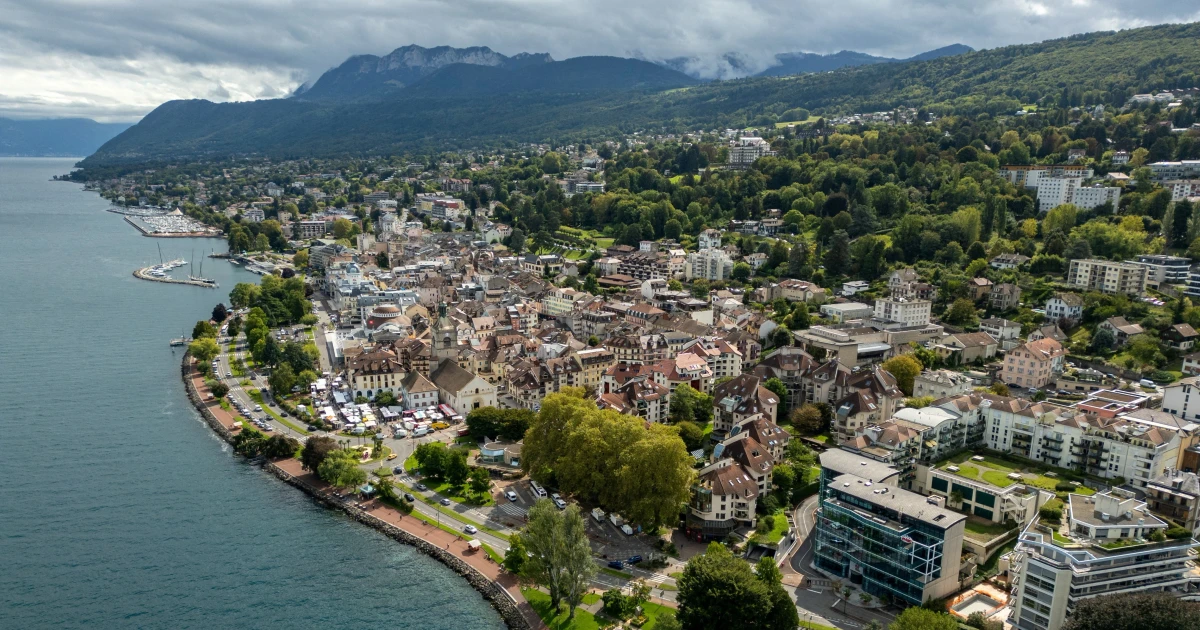
The G7 was supposed to open in Évian-les-Bains with talks on economic growth, development, supply chain resilience, illegal immigration and artificial intelligence. Instead, Donald Trump will arrive to a summit dominated by the war in Iran, with energy costs rising and allies scrambling to keep the meeting from turning into a public rupture.
The summit, set for June 15-17 on the shores of Lake Geneva, will be one of the first major international gatherings since the United States and Israel began the war against Iran in late February. Trump is expected to meet French President Emmanuel Macron, other European leaders and key Middle Eastern leaders, and he is also scheduled to attend a working session with Volodymyr Zelenskyy and the G7 leaders. France has invited Brazil, Egypt, India, Kenya and South Korea, widening the diplomatic cast well beyond the core group.
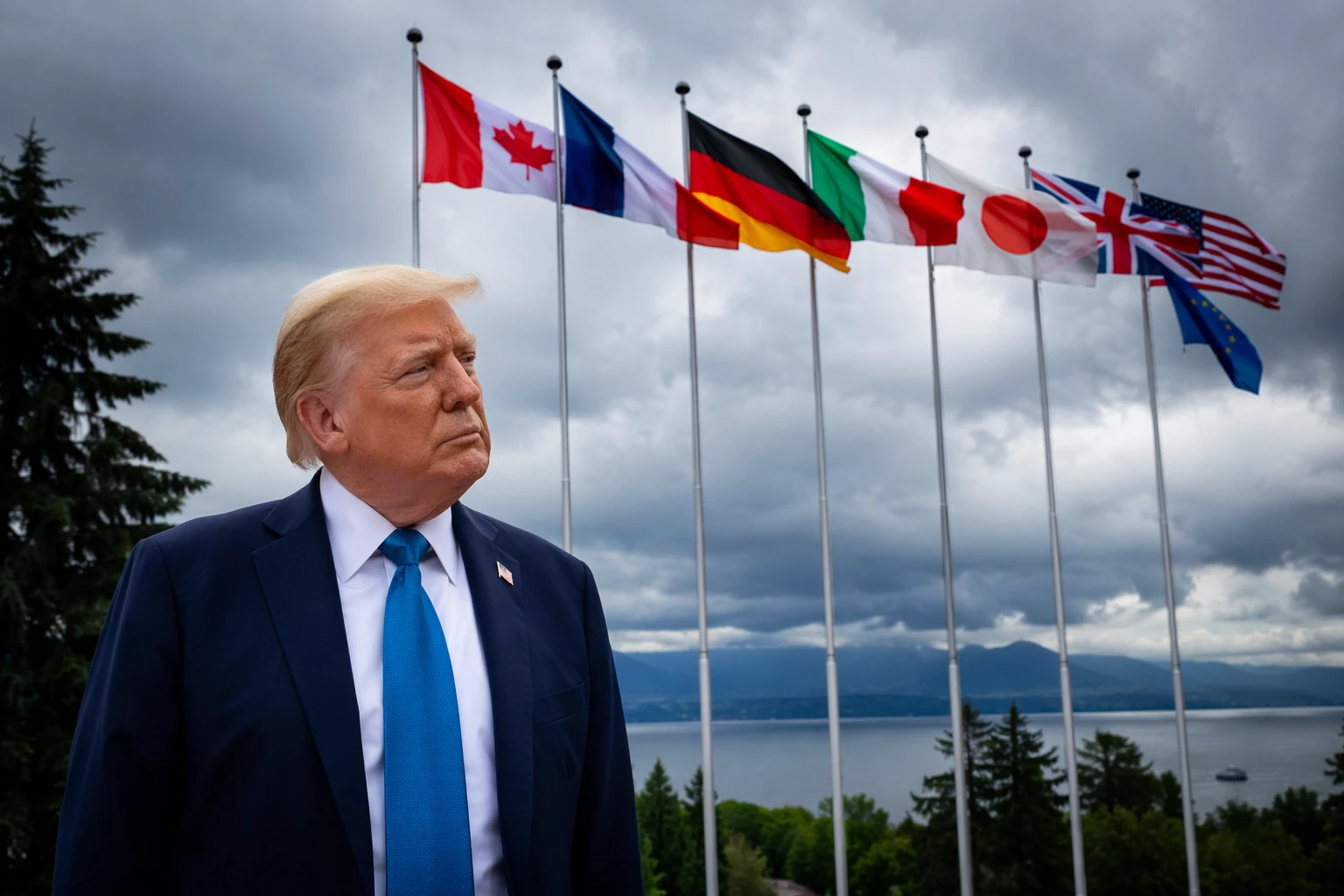
France is trying to project unity while avoiding a direct clash with Trump, even as it presses for practical steps such as reopening the Strait of Hormuz, a vital bottleneck for global energy flows. Paris is also hosting a special Iran session with Abdel Fattah al-Sissi, Tamim bin Hamad Al Thani and Mohammed bin Zayed Al Nahyan, a sign of how far the conflict has stretched the summit’s agenda into the Middle East. European leaders are expected to use the gathering to press Trump on Russia sanctions, trade imbalances, big-tech regulation and Ukraine, even as the summit’s central conversation keeps shifting back to war.
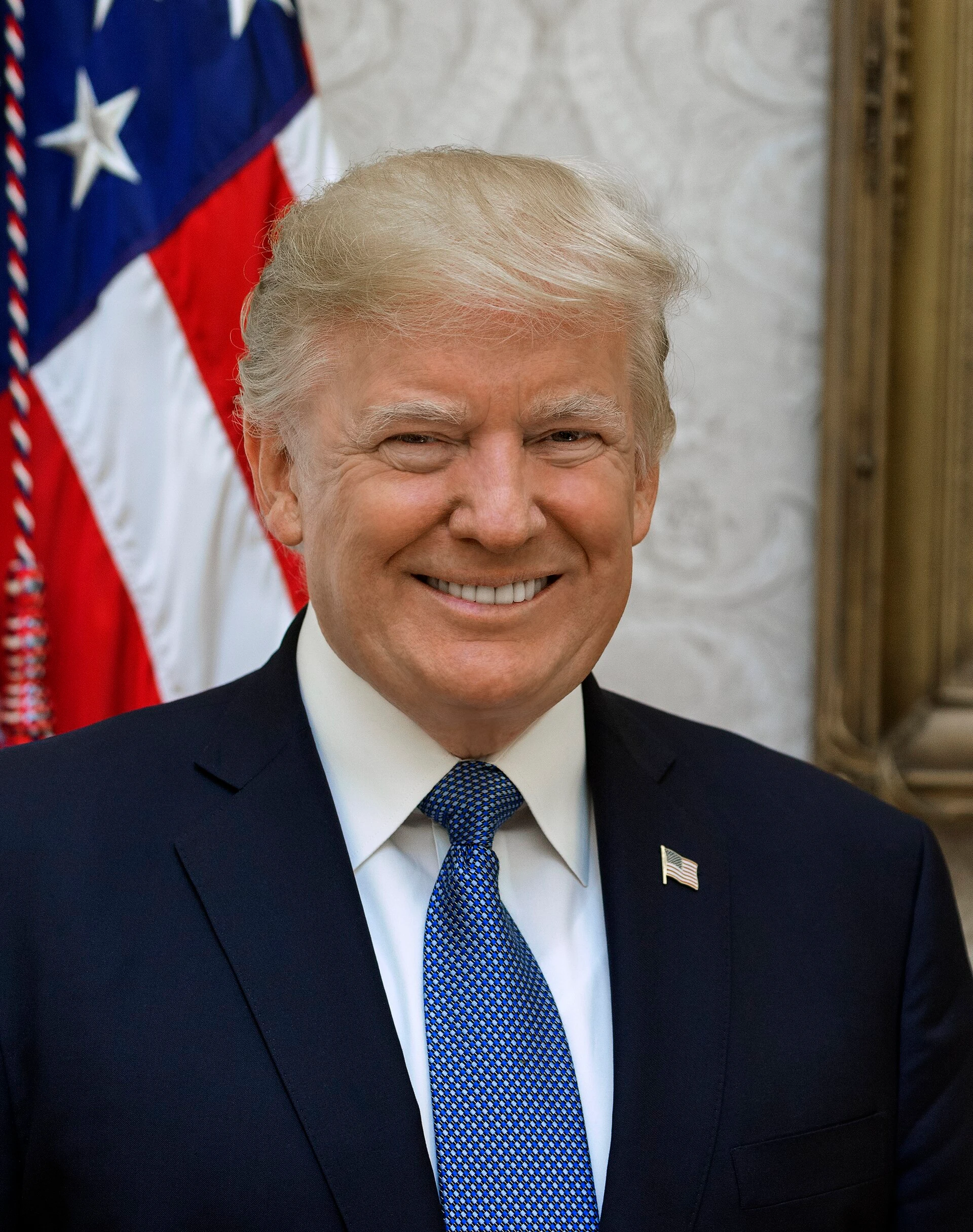
That pressure has already spilled into NATO politics. Trump announced the withdrawal of at least 5,000 U.S. troops from Germany during a dispute with European governments over their reluctance to support the U.S.-led war in Iran, then partially reversed the move by redirecting troops to Poland. Analysts say the episode showed the security consequences of crossing Trump and could strengthen European cohesion around strategic autonomy.
A French presidential official has made clear that Paris sees no reason to lift sanctions on Russia or offer concessions to Moscow. European allies are also weighing a U.K. and France-led demining mission in the Strait of Hormuz if a peace deal emerges. By the time leaders leave Lake Geneva, the question will be whether the G7 can still function as a venue for Western coordination, or whether the Iran war has reduced it to crisis management around Trump.
Sources
- [1]npr.org
- [2]vpm.org
- [3]france24.com
- [4]cnbc.com
- [5]politico.com
- [6]diplomatie.gouv.fr
- [7]stripes.com