Business
Trump’s ‘Hot Economy’ Gambit: Election-Year Risks and Rewards
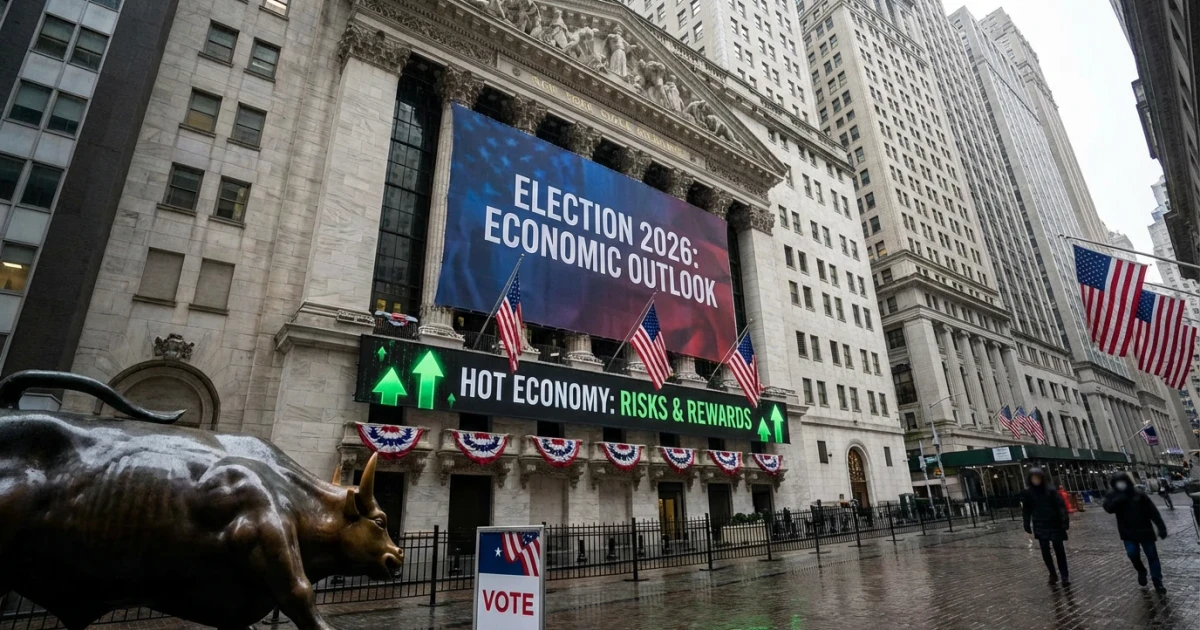
With midterm elections looming, President Trump is doubling down on his vision of a 'hot economy,' betting big on growth and consumer optimism. But is revving the engine now a smart move, or a gamble with lasting consequences?
The Push for a Hot Economy
As the political calendar ticks toward the midterms, the White House is making clear that economic performance will be front and center. President Trump’s administration is taking steps to boost growth, aiming for high employment and robust consumer spending—hallmarks of what economists call a 'hot economy.' This approach means prioritizing rapid expansion, even if it risks higher inflation or other side effects.What Does ‘Hot Economy’ Mean?
A hot economy is one where demand outpaces supply, jobs are plentiful, and businesses expand rapidly. In theory, it leads to rising wages and a confident consumer base. The Trump administration is counting on these conditions to energize voters ahead of the midterms, as suggested by recent coverage in The Washington Post.- Jobs: Unemployment has stayed near historic lows, with hiring outpacing expectations in multiple sectors.
- Growth: GDP growth rates have exceeded 3% in several recent quarters, fueling optimism among business leaders and investors.
Election-Year Calculus
The strategy is clear: a strong economy is the single most influential factor for voters. By focusing on growth and employment, Trump hopes to galvanize his base and sway undecided voters. This approach echoes past election cycles where economic performance shaped political outcomes.Potential Risks: Inflation and Overheating
While running the economy hot can boost confidence and spending, it’s not without risks. Economists warn that pushing growth too hard could lead to inflation—when prices rise faster than wages—and potentially overheat the economy. Such concerns have surfaced in policy debates and media reports, even as the administration touts positive numbers.- Inflation: Consumer prices have begun creeping higher, raising concerns among financial analysts and households alike.
- Interest Rates: Central banks may respond by raising rates, which could make borrowing costlier for businesses and consumers.