World
Trump’s Immigration Remark Sparks Renewed Debate
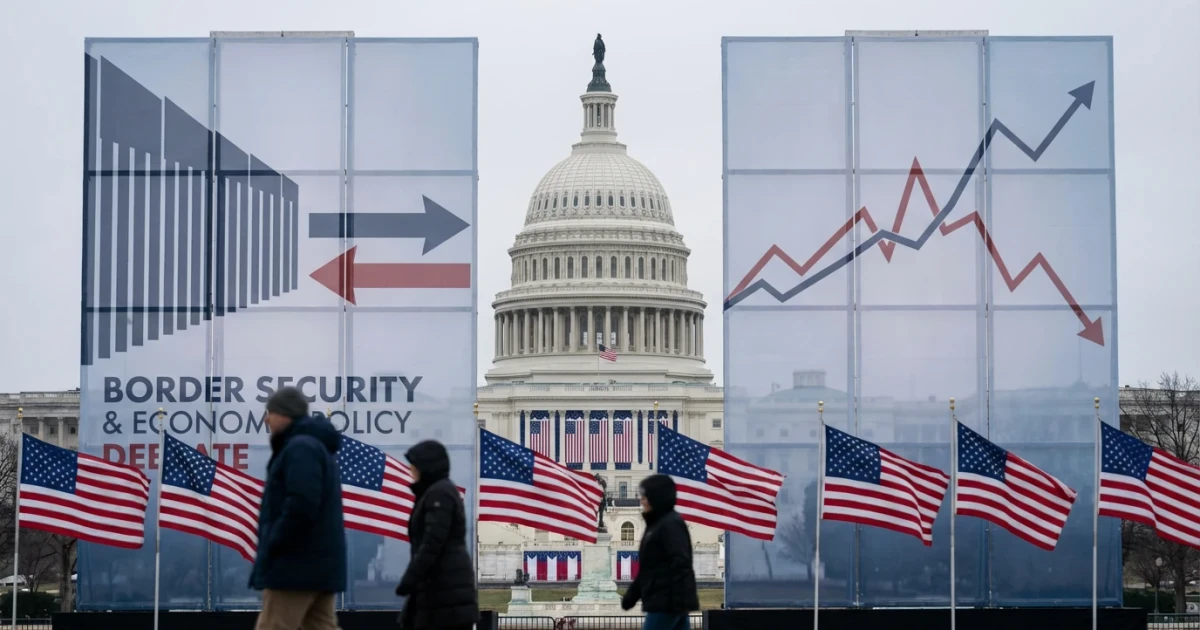
Donald Trump’s recent assertion that "if you import third world, you become third world" has stirred significant debate about U.S. immigration policy, national identity, and the economic impact of foreign-born populations. The remarks, reported by The Economic Times, come amid ongoing political contention over border security and the role of immigrants in shaping America’s future.
Trump’s Statement and Its Context
The former president’s comments reflect his long-standing position on immigration, emphasizing concerns that admitting large numbers of immigrants from developing nations could undermine the economic and social fabric of the United States. The statement was interpreted by many as a critique of current immigration levels and a warning about perceived risks to national prosperity.
Examining U.S. Immigration Trends
Despite the heated rhetoric, data from multiple sources provide a nuanced picture of U.S. immigration patterns and their consequences. According to net international migration data, the United States continues to see substantial inflows of immigrants annually, although these numbers fluctuate based on policies, global events, and economic conditions.
- The size and share of the U.S. immigrant population have grown steadily since the 1960s, reaching historic highs in recent years.
- The U.S. Census Bureau reports that immigrants now represent about 14% of the total population, with considerable diversity in country of origin, education levels, and economic outcomes.
Economic Impact of Immigrants
Research from the Pew Research Center and other organizations consistently finds that immigrants contribute to economic growth, labor force vitality, and demographic renewal. Immigrants participate across all sectors, from agriculture to technology, and their overall effect on wages and employment for native-born workers is mixed but not overwhelmingly negative.
- Official employment statistics indicate that immigrants have high rates of labor force participation, often filling essential roles in the U.S. economy.
- Analysis from the Bureau of Economic Analysis links immigration to sustained GDP growth, arguing that immigrants stimulate demand and innovation.
- While some immigrants come from lower-income countries, many possess high educational attainment and entrepreneurial ambitions, challenging the notion that they universally "import" underdevelopment.
Contrasting Global Perspectives
International migration trends, as documented by the OECD International Migration Database, highlight that developed countries worldwide manage large and diverse migrant flows. The economic performance of nations does not correlate simply with the origin of their immigrant populations but rather with integration policies, labor market conditions, and social supports.
Public Reaction and Policy Debate
Trump’s statement has prompted responses from both supporters and critics. Advocates for stricter immigration controls echo concerns about social cohesion and economic competition, while opponents stress that the U.S. has historically benefited from its openness to newcomers. The debate underscores the need for evidence-based policy, balancing security and economic interests with humanitarian commitments.
Looking Ahead
As the nation approaches pivotal elections, immigration remains a focal point of political discourse. The challenge for policymakers will be to reconcile public anxieties with the realities of demographic change and economic necessity. Understanding the true impacts of immigration requires moving beyond slogans to engage with data and lived experiences.