Politics
Trump’s Influence Sparks GOP Senate Division
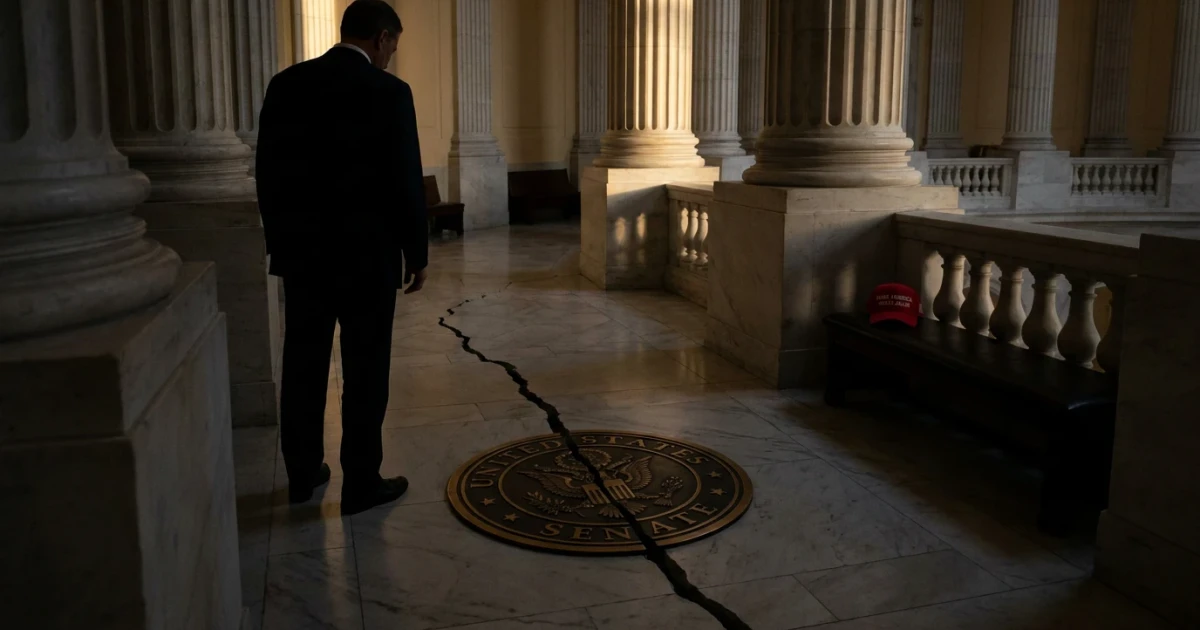
Senate Republicans are grappling with intensifying internal divisions as Donald Trump’s influence over party policy and leadership reached new heights this week, according to CNN’s reporting. The mounting discord has pushed GOP lawmakers to a breaking point, raising questions about the party’s direction ahead of the 2024 elections.
Trump’s Pressure on Senate Republicans
Throughout the week, Trump’s direct involvement in Senate affairs has become increasingly evident. CNN describes a scenario where Republican senators expressed growing frustration with Trump’s demands on key legislative issues, including border security and government spending. Many senators reportedly found themselves caught between loyalty to their party’s base—still galvanized by Trump—and their own political judgments, leading to a tense atmosphere within the GOP caucus.
- Trump pressured senators to reject bipartisan compromises on immigration and security measures.
- Republican leadership faced calls from Trump to prioritize his preferred policies, even if it meant abandoning negotiated agreements.
- The party’s divisions spilled into public view, with some senators voicing concerns about Trump’s outsized role in shaping legislative priorities.
Legislative Showdowns and Party Frustration
At the heart of the conflict was the debate over the Secure the Border Act of 2023, a controversial bill that Trump insisted be pushed forward without amendments. Senate leaders, however, were forced to navigate competing demands from Trump-aligned lawmakers and moderates seeking bipartisan solutions.
According to the official Senate roll call votes, this resulted in several votes breaking along ideological lines rather than party unity. CNN notes that the mood among senators was tense, with one aide describing the atmosphere as "not happy." The discord was further amplified by Trump’s public statements and social media posts, which criticized senators who deviated from his positions.
Impact on Party Leadership and Future Legislation
Trump’s influence has complicated the task of Republican leadership, who must balance the demands of the party’s most vocal supporters with the need to govern effectively. Analysis from the Pew Research Center shows that Republican voters remain largely supportive of Trump, but GOP senators increasingly worry about the party’s long-term unity.
As CNN reports, “senators are not happy” with the current state of affairs, but many feel unable to openly challenge Trump’s directives without risking political backlash. The Senate’s legislative calendar indicates several upcoming votes on contentious issues, suggesting the tension may persist into the summer.
Statistical Overview and Analysis
Data from FiveThirtyEight’s Senate Scorecard reveals that while most Senate Republicans have historically voted in line with Trump’s preferences, recent weeks have seen an uptick in dissenting votes. This shift underscores the growing discomfort among senators as Trump’s policy and messaging become increasingly prescriptive.
- Several senators voted against Trump-backed amendments, highlighting fractures within the caucus.
- Party unity on major bills has dropped, with more senators breaking ranks than in previous sessions.
Forward-Looking Perspective
As the 2024 election approaches, the Republican Senate faces a delicate balancing act. The party must decide whether to continue aligning closely with Trump—risking further internal discord—or to assert greater independence in pursuit of legislative harmony. With critical votes looming and public scrutiny intensifying, the coming months will test the GOP’s capacity to manage its own divisions while maintaining voter support.