World
Trump’s Iran deal draws confusion over terms and next steps
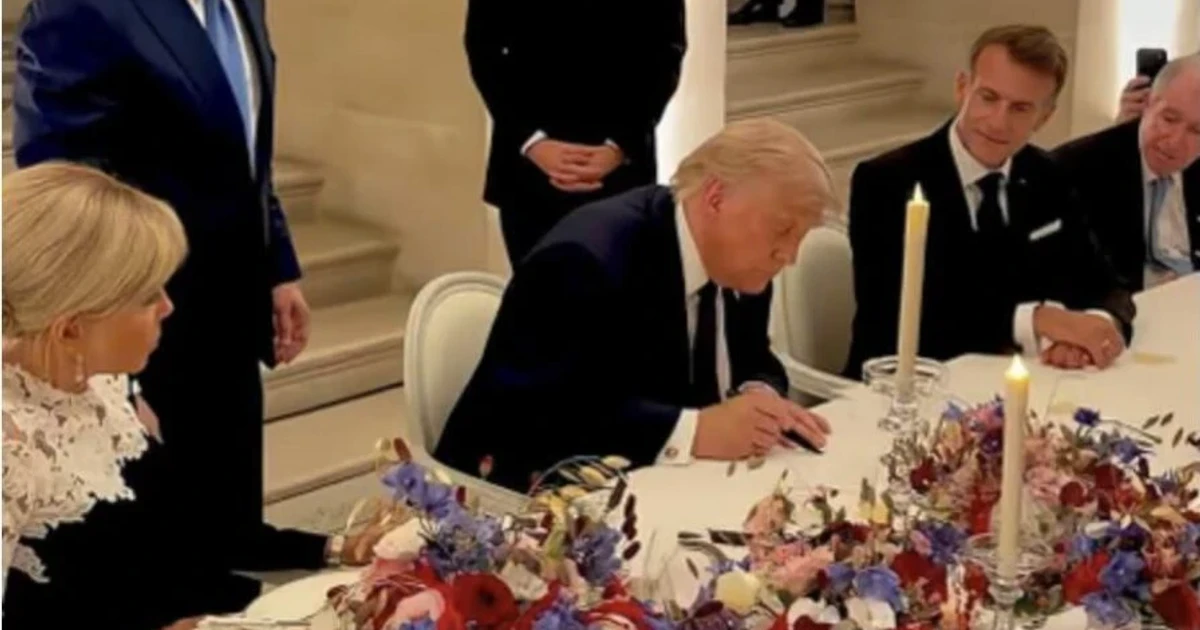
Trump spent Tuesday in Pennsylvania selling a new Iran opening even as the deal’s language and his own public comments moved in different directions. The preliminary U.S.-Iran memorandum of understanding, signed on June 17, gave both sides 60 days to negotiate additional terms, but it already exposed a sharp gap between what Trump told voters and what the text says.
Some terms are clear enough. The memorandum reportedly opens with the immediate reopening of the Strait of Hormuz, the narrow passage that carries nearly one-fifth of the world’s oil and natural gas supply. It is also described as a 14-point document and includes language calling for the “immediate and permanent termination of military operations on all fronts.” The White House said the memo would be released after a public signing ceremony expected in Switzerland on June 19, and that the next phase would center on technical talks and implementation mechanisms.
Other terms remain contested. Trump had said earlier in June that he would not “unfreeze any Iranian assets” or “lift any sanctions” upfront, yet the memorandum reportedly allows the Treasury Department to issue immediate waivers so Iran can resume crude-oil and petroleum exports. Broader sanctions relief would still be negotiated over the next two months. The same split shows up in the reconstruction fund: Trump initially dismissed reports of a $300 billion Iranian rebuilding pot as false, but the fund is referenced in the memorandum, and more than half of it was reported to already be committed by private investors.
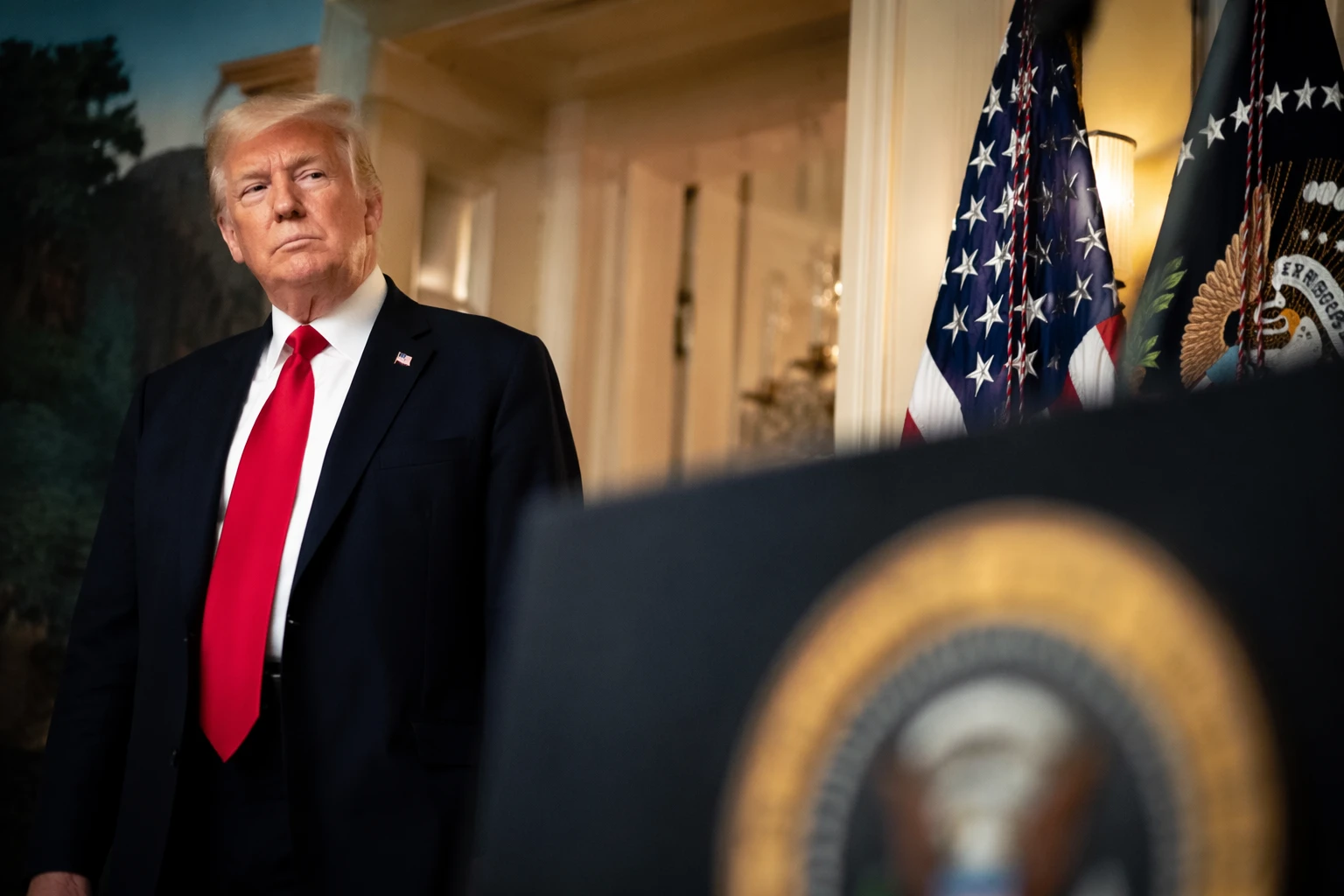
The nuclear language is narrower than Trump’s campaign rhetoric suggested. The text says Iran “reaffirms that it shall not procure or develop nuclear weapons,” but the future of its broader nuclear program is still unresolved. That ambiguity matters because the deal does not yet settle whether Iran will keep enrichment capabilities, how inspections would work, or how fast any sanctions relief would kick in.
The politics around the agreement hardened quickly. Trump defended it on Truth Social, declaring, “Ships of the World, start your engines. Let the oil flow!” He later called critics “fools” and, in another swipe, said they were “either jealous, bad people, or stupid.” Republican senators Bill Cassidy, Ted Cruz and John Cornyn raised alarms over sanctions relief, the reconstruction fund and whether Israel had been effectively sidelined.
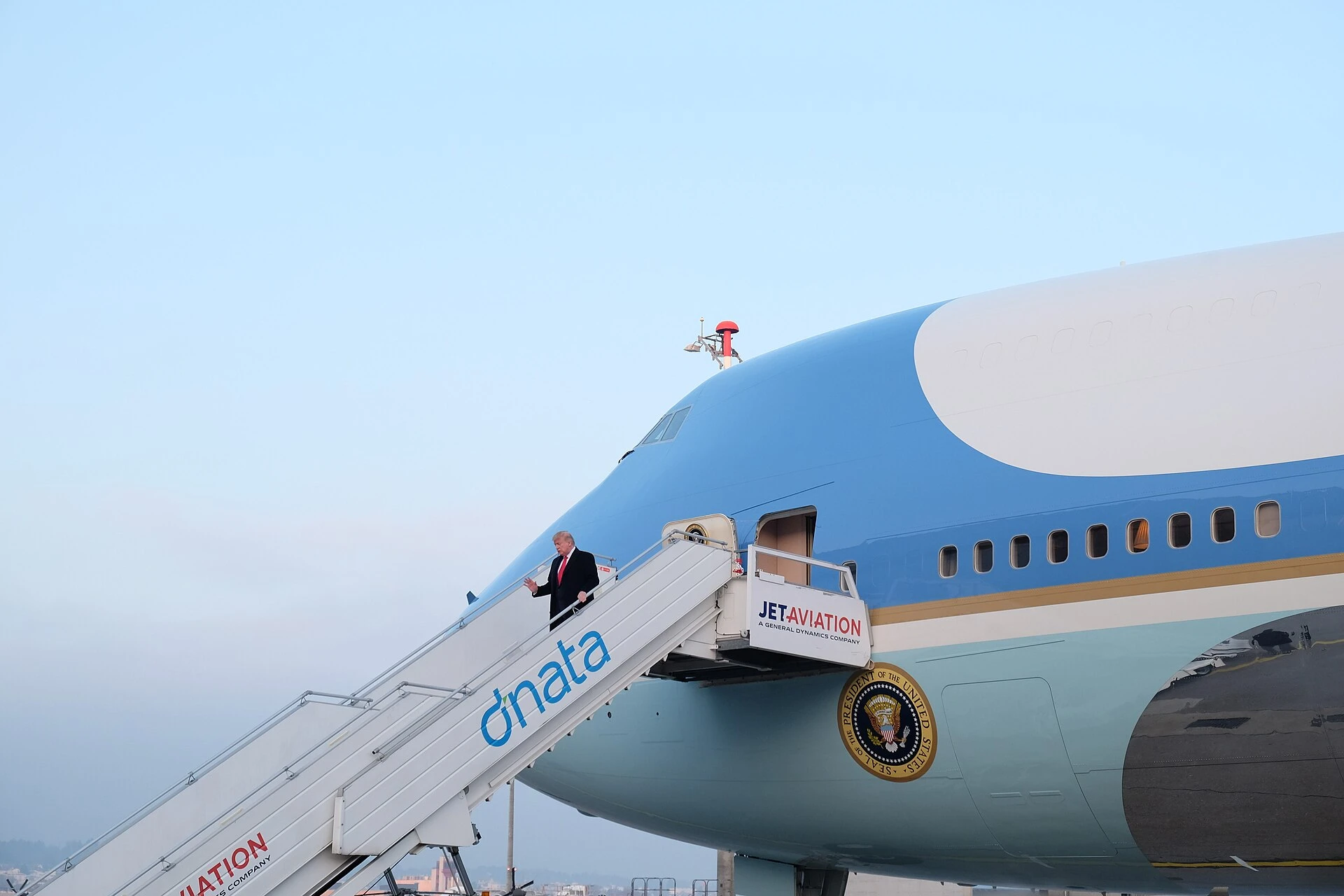
Benjamin Netanyahu added another layer of uncertainty, saying Israel would not withdraw from Lebanon and did not consider itself bound by the Lebanon-related terms. Kazem Gharibabadi, Iran’s deputy foreign minister, said the text had been finalized and would be published after signing, while Iranian officials continued to push back on claims that core nuclear issues were already settled. The deal followed a three-and-a-half-month conflict that closed the Strait of Hormuz and jolted oil markets, and traders have already pushed prices lower on signs that Iranian exports may resume before the dust has settled.
Sources
- [1]cbsnews.com
- [2]factcheck.org
- [3]cfr.org
- [4]nytimes.com
- [5]cnbc.com