Politics
Trump’s Iran deal exposes widening Republican divide over peace push
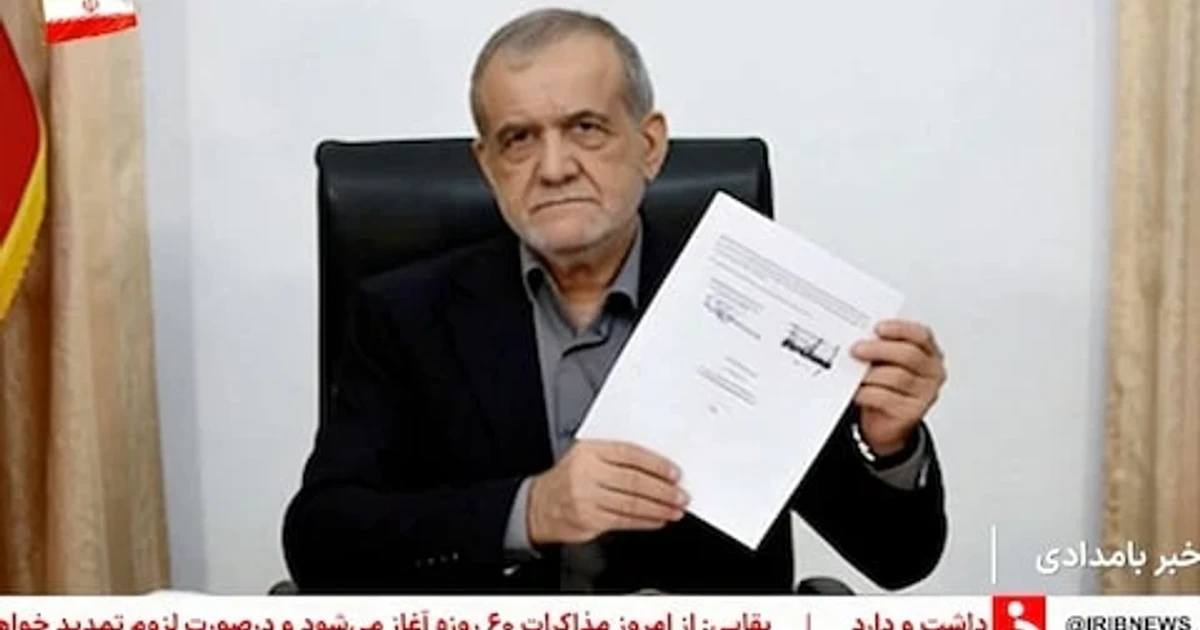
The White House sent Congress the text of its interim U.S.-Iran agreement on June 18, putting a 14-point memorandum of understanding before lawmakers and locking in an initial 60-day ceasefire while negotiations continue. The framework left many of the hardest issues unresolved, and lawmakers from both parties said they wanted more information as the deal moved from the West Wing to Capitol Hill.
That opening set off an immediate break inside the Republican Party. Senate Armed Services Committee Chairman Roger Wicker of Mississippi said the deal “negotiates away the victories of Operation Epic Fury,” while other GOP critics called it the “worst foreign policy blunder in decades” and warned that the administration was giving Iran too much without enough concessions. The backlash showed how quickly Iran hawks moved from backing military pressure to resisting any settlement that looked like a trade-off with Tehran.
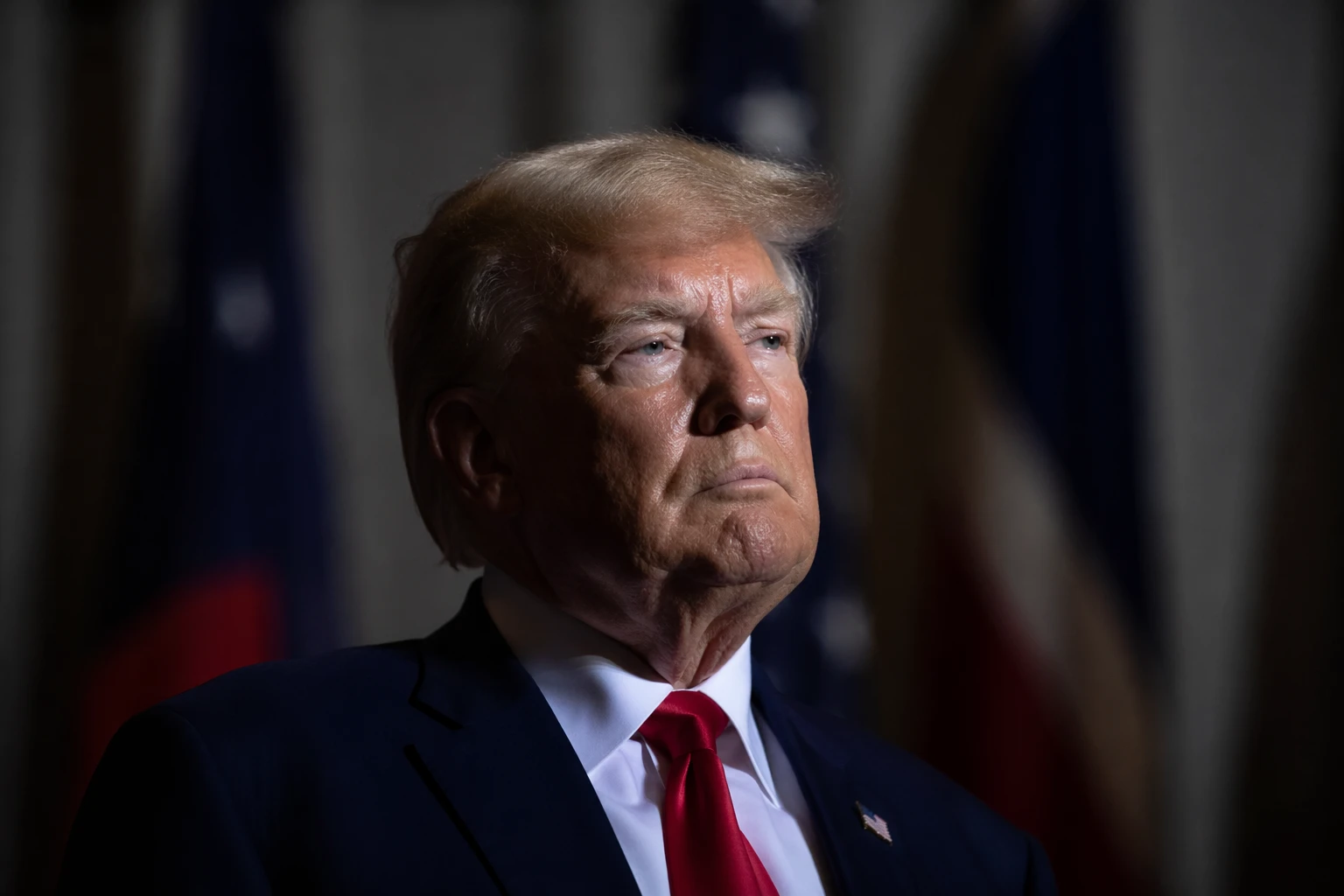
Trump’s allies and anti-war conservatives argued the opposite: the agreement could end hostilities and help lower energy prices, a pitch the White House framed as an “America First” diplomatic win. Trump sharpened the fight by attacking critics as “fools” and “bad people.” The result was not just a dispute over one memorandum, but a public test of which wing of the party would define Republican foreign policy on Iran.
The split has been building since the U.S. military campaign against Iran began in February 2026. In a March 16-22 survey, Pew Research Center found that 61% of Americans disapproved of Trump’s handling of the conflict and 59% said the United States made the wrong decision in using military force. Earlier polling showed most Republicans initially backed the military action, but the broader public was more divided, leaving room for some Republicans to accept a deal while hard-liners remained hostile.
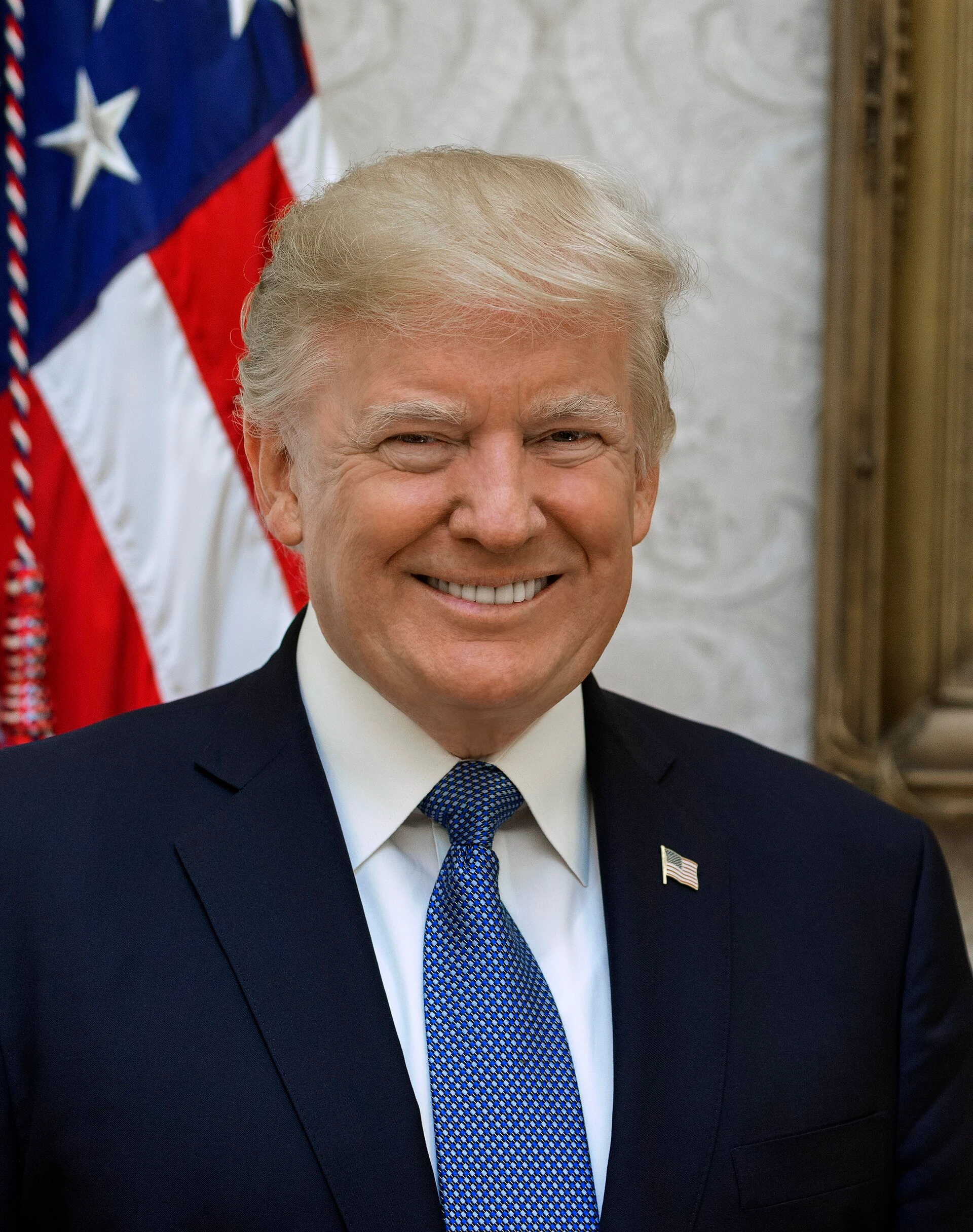
The party’s skepticism toward diplomacy with Iran also has deep roots. Republicans fought Barack Obama’s 2015 nuclear pact with Tehran, and that history makes the current divide more striking: some conservatives are treating Trump’s memorandum as a pragmatic pause, while others see any accommodation as a retreat from the hard line that has defined the party for years.
Sources
- [1]nytimes.com
- [2]usnews.com
- [3]politico.com
- [4]pewresearch.org
- [5]semafor.com
- [6]cbsnews.com