Politics
Trump’s Iran deal faces backlash over concessions and political risk
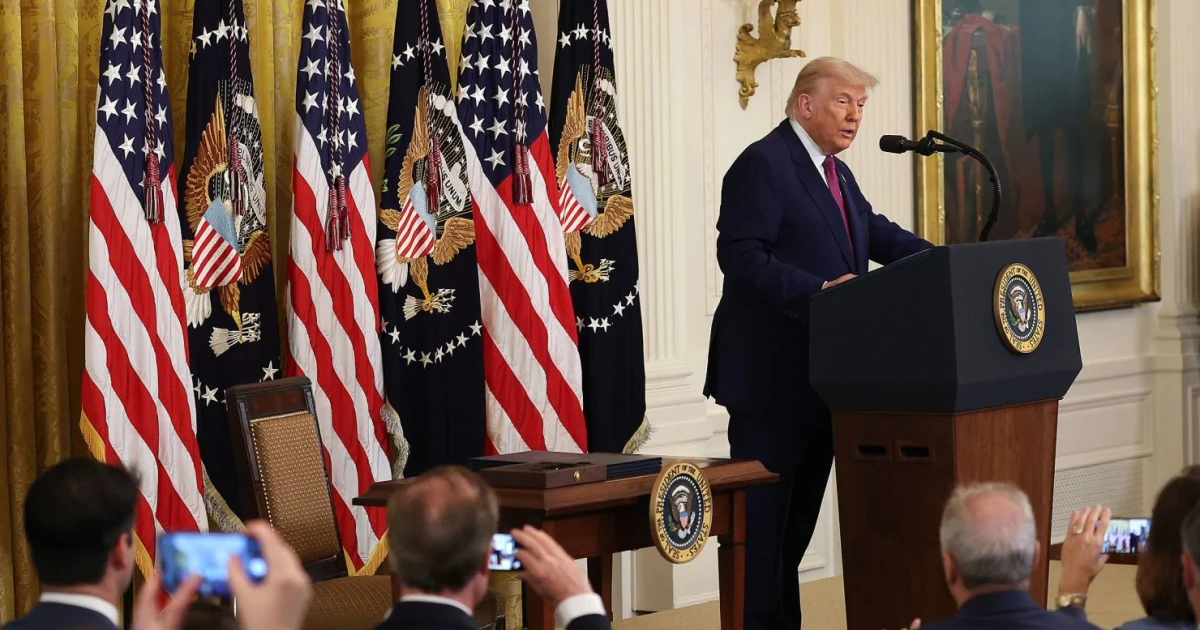
Trump’s new Iran accord gave him a headline diplomatic opening and an immediate political test. The 14-point memorandum of understanding paused military operations, reopened the Strait of Hormuz and set a 60-day window for further negotiations, but it also left the hardest issue, Iran’s nuclear program, for later talks, giving critics a clean opening to call the package a stack of concessions to Tehran.
The White House sent the text to Congress on June 18, after days of complaints from lawmakers in both parties that they had not seen it sooner. Senate Republicans have said they want a say and are reviewing the fine print, while the White House and Trump have said the final details are still being worked out. That delay may buy time, but it does not remove the central problem for Trump: the framework is being judged not just as diplomacy, but as a test of whether he can keep his own party aligned behind it.
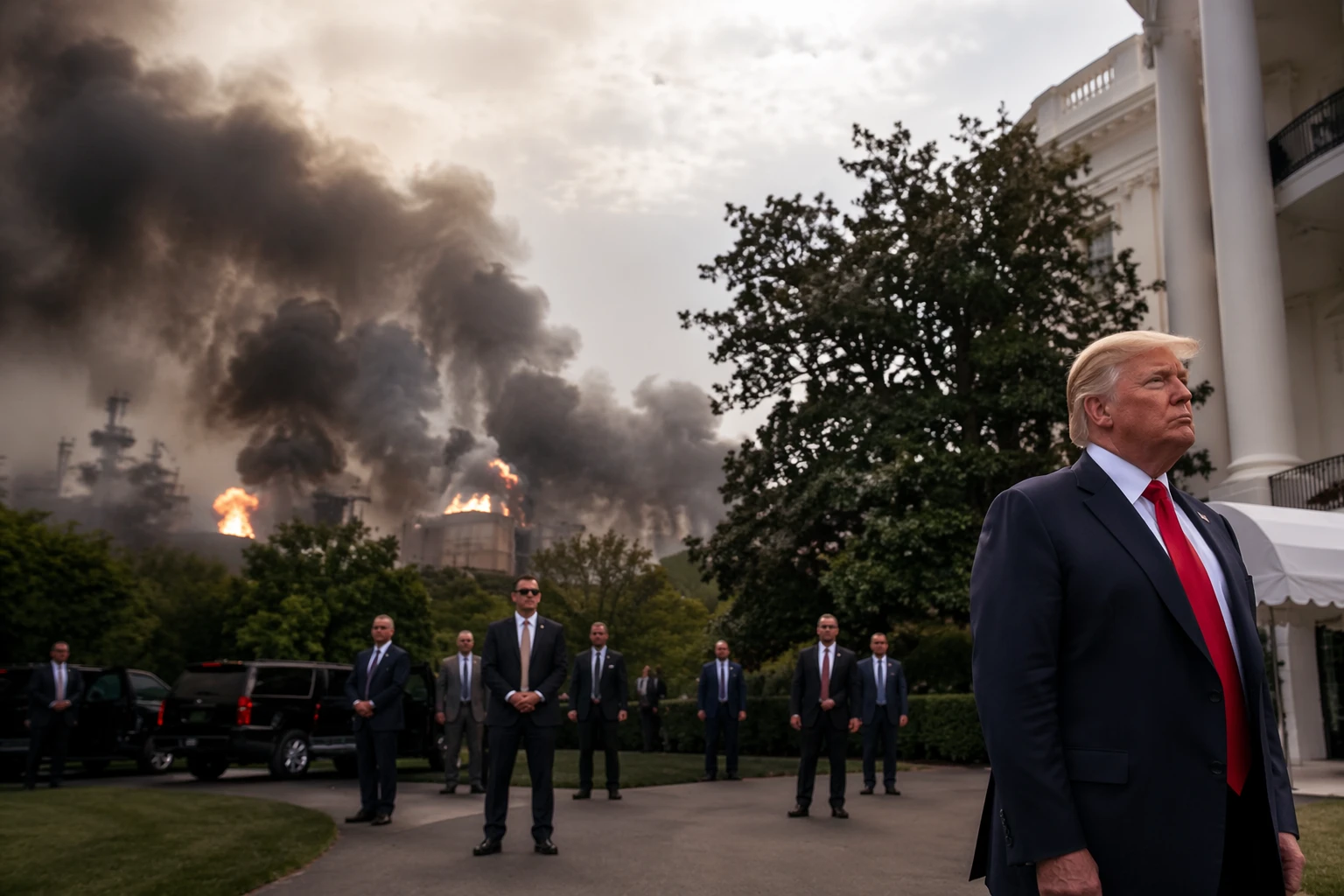
The most vulnerable provisions are also the ones that matter most to markets and to Trump’s critics. The agreement reportedly includes sanctions relief, a pathway for Iran to resume oil exports and a proposed $300 billion reconstruction and investment fund for Iran, though some reporting says the fund is private and contingent on a final deal. Supporters will cast those steps as pragmatic de-escalation after months of disruption. Opponents will describe them as real economic gains for Iran before its nuclear file is settled.
Reopening the Strait of Hormuz carries immediate economic weight because the waterway is a key global energy chokepoint. Any reduction in tension there lowers a major risk premium that has hung over oil markets, a point Trump can use to argue that the deal helps stabilize prices and reduce the chance of a wider regional shock. But that same market benefit may not be enough to quiet Republican hawks who see the framework as front-loading concessions and back-loading verification.

The political contrast is unavoidable. Trump withdrew the United States from Barack Obama’s JCPOA on May 8, 2018, and the original deal was finalized in July 2015 after Trump spent years promising something tougher. That history now hangs over the current memorandum, which critics are already comparing with the accord he once blasted. If Trump cannot sell this as a stronger, more enforceable peace deal, the backlash could spread from Congress to key allies and, eventually, to swing voters who may welcome de-escalation but are wary of any agreement that looks like a concession to Iran.
Sources
- [1]nytimes.com
- [2]politico.com
- [3]usnews.com
- [4]militarytimes.com
- [5]cfr.org
- [6]reuters.com