World
Trump’s Iran deal sparks rift with Israel over nuclear terms

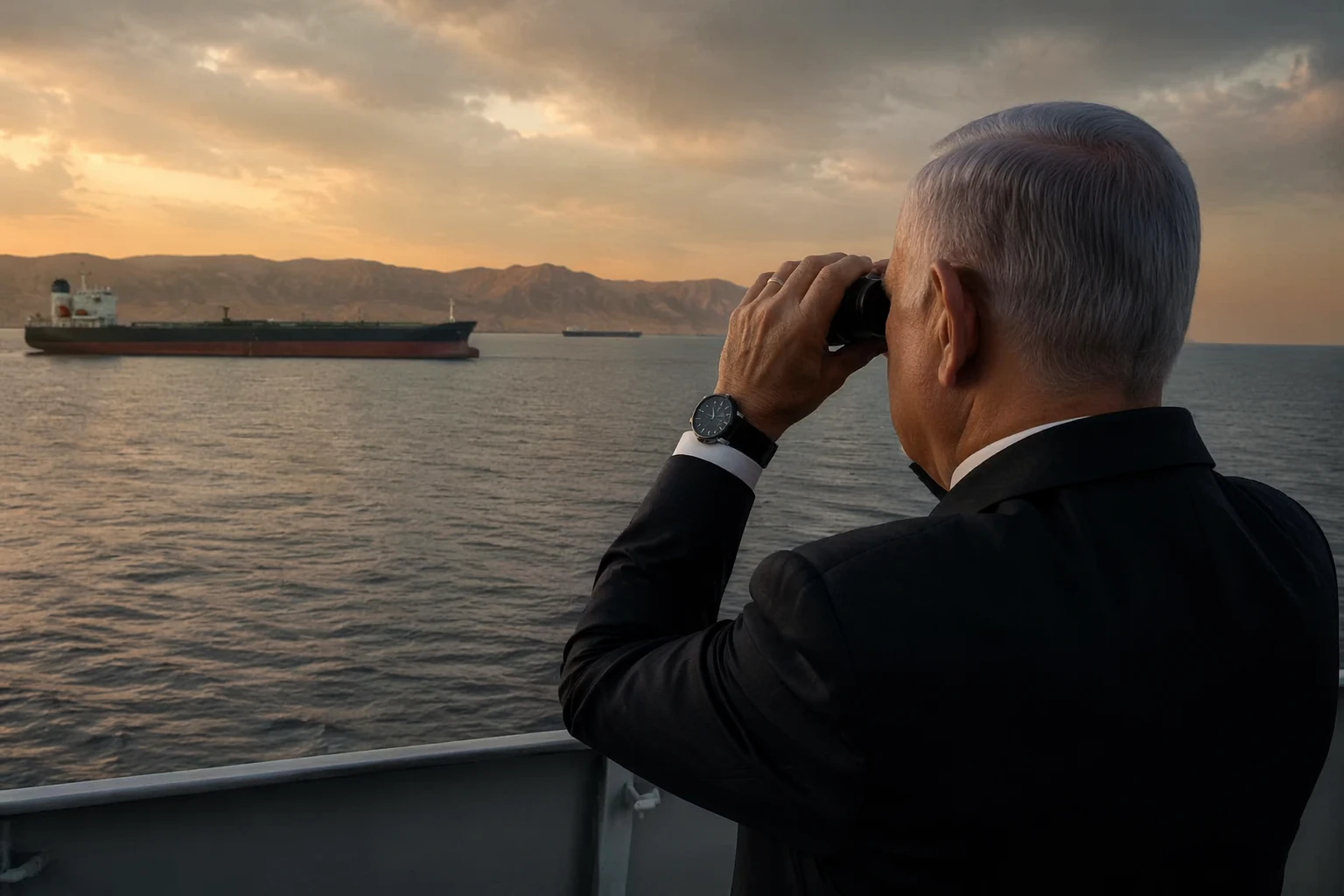
The new Iran agreement has changed the battlefield and the alliance at the same time. The United States lifted its naval blockade of Iran, oil tankers began moving again through the Strait of Hormuz, and the framework now gives Tehran a 60-day negotiating period while its nuclear program remains in place.
For Israeli officials, that sequence is close to a worst-case scenario. The reported terms also include sanctions relief for Iranian oil sales and a possible final settlement that could bring a $300 billion reconstruction and investment fund for Iran, alongside a broader deal that may eventually allow a U.S. withdrawal of forces. To Jerusalem, that looks like a return to an unacceptable status quo: Iran keeps breathing room, energy flows resume, and the core nuclear question is pushed into talks rather than resolved.
Benjamin Netanyahu has avoided a direct public attack on the deal, but he has made clear that Israel does not yet know all the details. He said he still did not know what was in the agreement and repeated that Iran would never get nuclear weapons. Israeli officials also said they had not been fully briefed on the memorandum’s terms and feared Tehran could use the 60-day window to accelerate its nuclear program before any final settlement is reached.
The split inside Washington has been just as revealing. Reuters reported that JD Vance, Jared Kushner and Steve Witkoff backed the proposal, while Marco Rubio, Pete Hegseth and CIA Director John Ratcliffe raised doubts about whether Iran would comply. Vance dismissed the Israeli backlash and said Trump was Israel’s only ally, warning Israeli critics not to attack Washington while the United States is providing major military support. He called the emerging agreement a “home run for the American people” and said the U.S. and Israel sometimes have diverging interests.
That language suggests more than a temporary dispute over one memorandum. If the White House is willing to absorb Israeli anger while pressing ahead with a deal that reopens Hormuz and relieves pressure on Iranian oil exports, it points to a harder-edged alliance management strategy in which Washington’s immediate military and economic goals come first. Backers are pitching the accord as a breakthrough that could end more than three months of fighting and steady energy markets. Critics see something else: relief for Iran, uncertainty for Israel, and nuclear risks deferred rather than defused.
Sources
- [1]washingtonpost.com
- [2]timesofisrael.com
- [3]usnews.com
- [4]yahoo.com
- [5]time.com