Politics
Trump’s Iran deal sparks Senate revolt over lack of briefings

President Donald Trump’s drive to close out the Iran war is colliding with a Senate revolt over how little Congress has been told. On June 16, the Senate voted 48-47 to block the latest Democratic-led effort to end the war until it is authorized by Congress, and four Republicans, Bill Cassidy, Susan Collins, Lisa Murkowski and Rand Paul, joined most Democrats.
The vote was the ninth Democratic attempt since the United States and Israel began air attacks on Iran in February. It also underscored how fragile Republican discipline has become on a war that Trump is trying to manage while keeping his party aligned behind him. Mitch McConnell, Josh Hawley, Michael Bennet, Cory Booker and Bernie Sanders did not vote.
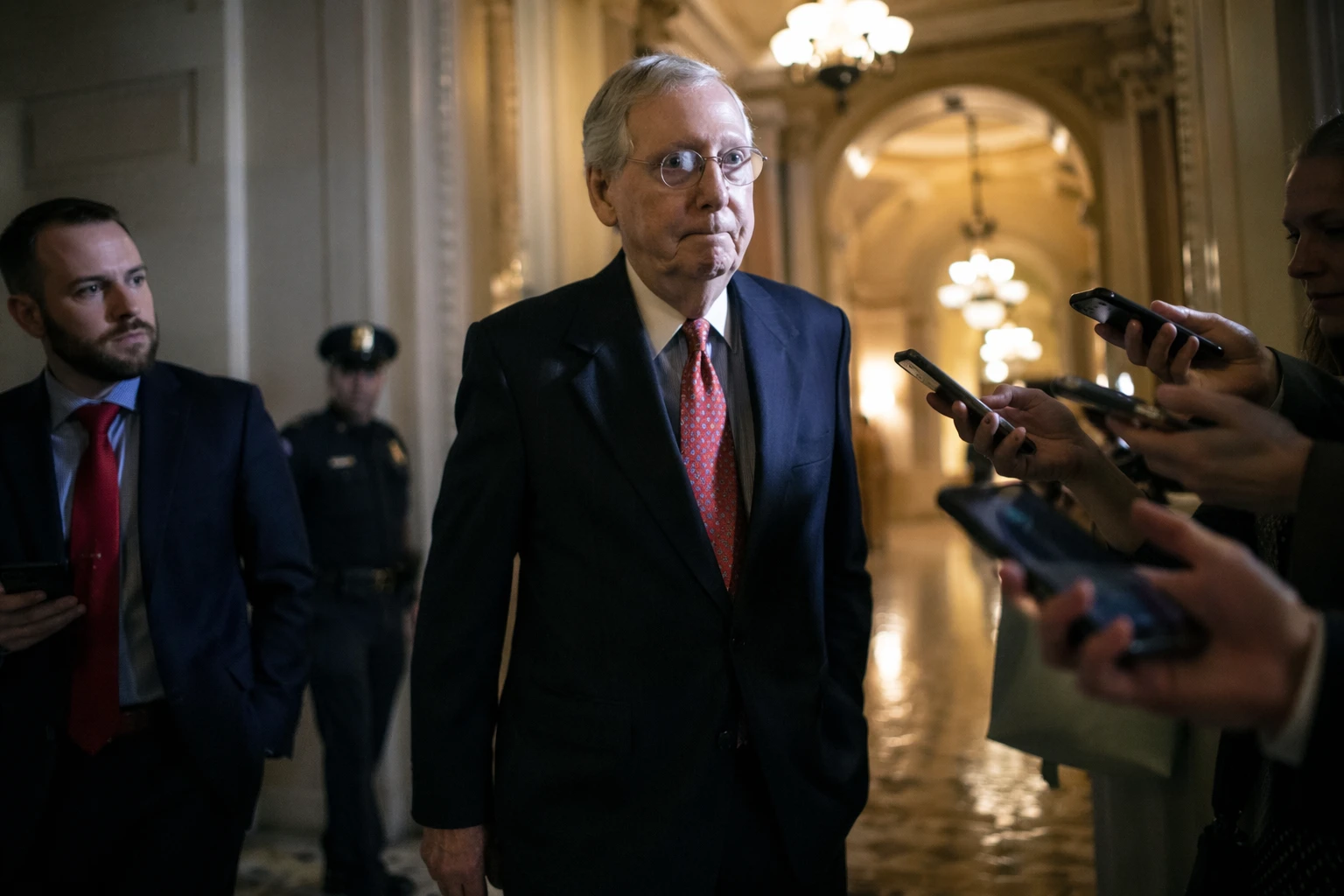
The anger inside the GOP has centered on briefings, or the lack of them. Senate Majority Leader John Thune said lawmakers expected to see the text of the administration’s memorandum of understanding with Iran soon, but senators from both parties said they had not seen the deal’s details as of June 16. Trump said that day he was willing to send the interim deal to Congress for review, yet several senators said a final agreement should be formally scrutinized by Congress and some argued it should be treated as a treaty.
Lisa Murkowski put the frustration in plain language, saying Trump was “turning it ahead without telling us about it.” Her complaint reflected a broader concern in Washington that lawmakers are being asked to defend an emerging policy after the most important choices have already hardened on the ground. When the White House moves first and briefs later, Congress is left to react to facts it did not help shape.
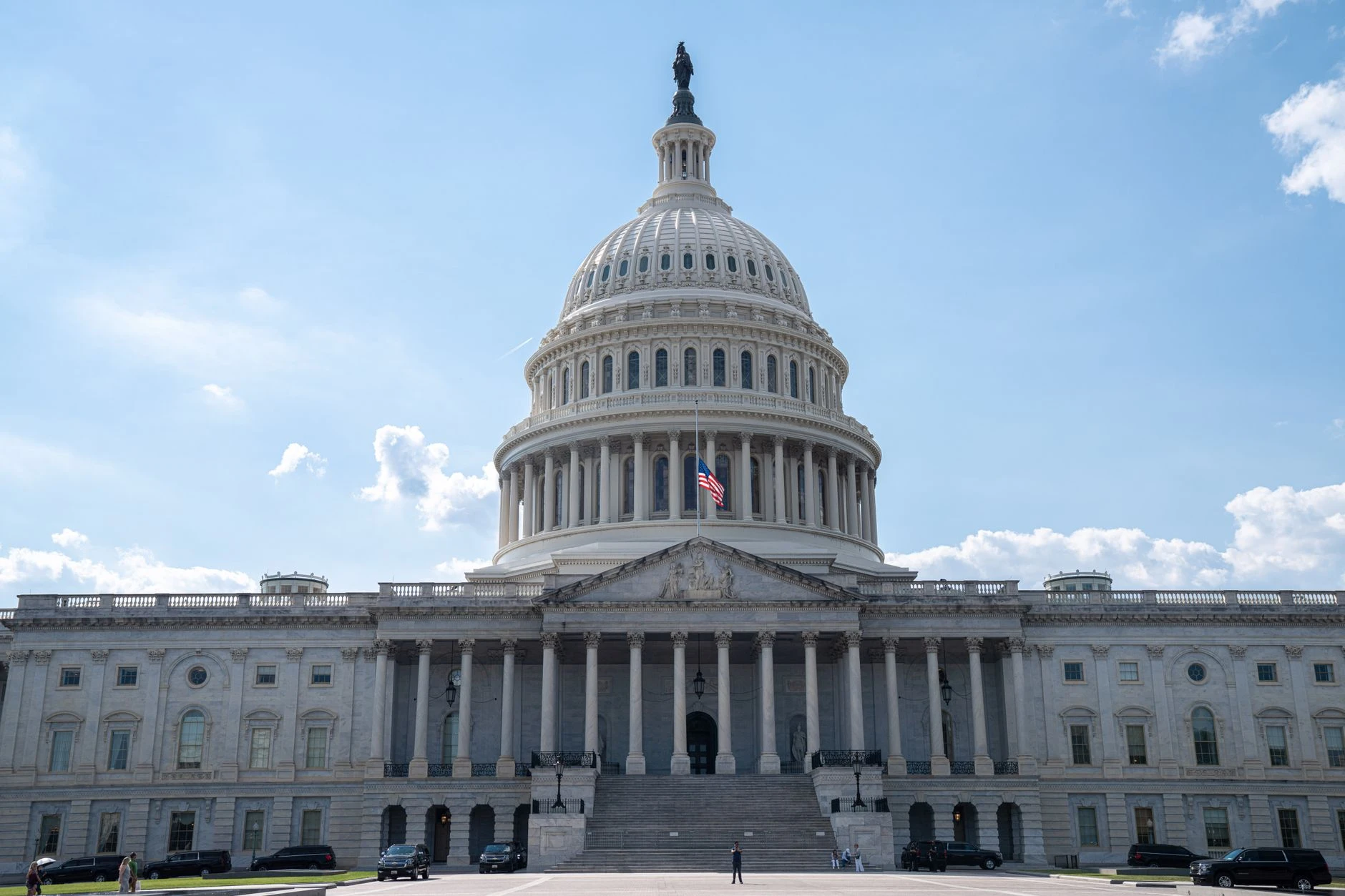
The split is not new. On May 19, the Senate advanced an earlier Iran war powers resolution with the same four Republicans joining Democrats, a sign that unease is not confined to a single vote. The pattern matters because Trump and Republican leadership are trying to preserve a narrow majority in both chambers during the 2026 cycle, when control of the Senate is at stake.

That narrow margin gives defections outsized weight. Every break with the White House complicates war powers, nominations and spending, and it exposes how limited Republican congressional influence can be even when the party controls the agenda. Trump still has leverage over his caucus, but the Iran fight shows that leverage is not the same as control, especially when senators believe they are being cut out before decisions become irreversible.
Sources
- [1]nbcnews.com
- [2]usnews.com
- [3]politico.com
- [4]rollcall.com
- [5]thehill.com
- [6]alaskapublic.org