World
Trump's Iran memorandum draws bipartisan backlash in Congress
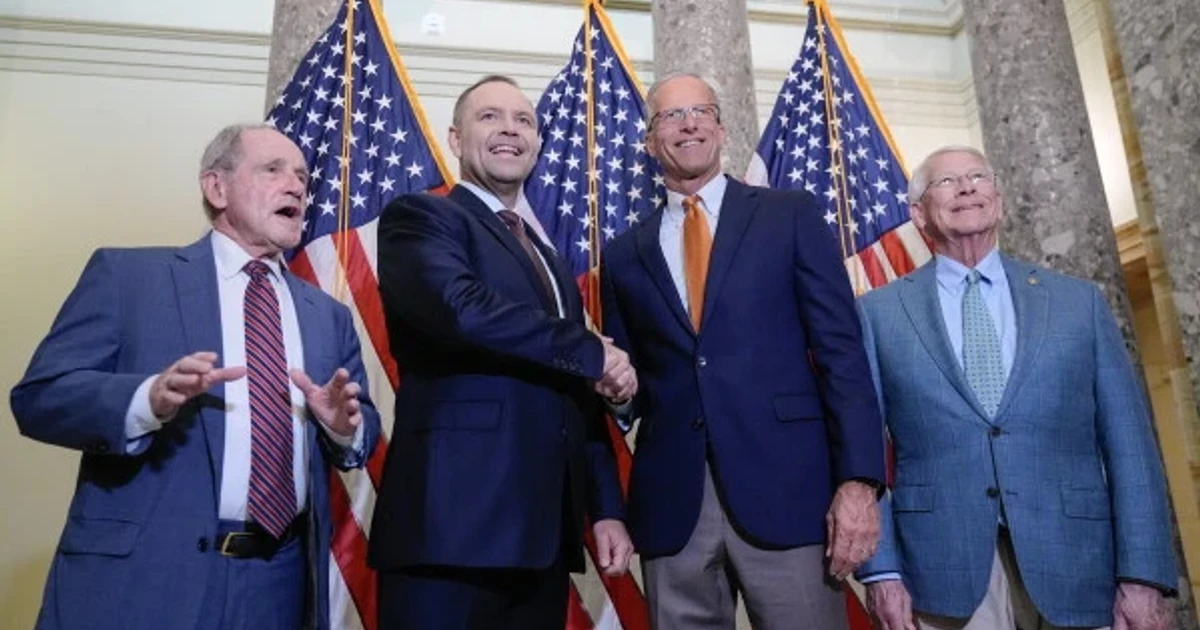
President Donald Trump’s Iran memorandum quickly triggered rare bipartisan resistance after the White House circulated the text to Congress without first releasing it publicly, leaving lawmakers to weigh a framework that could reshape sanctions, oil transit, and Iran’s nuclear program. The backlash reached beyond partisan lines and into Trump’s own national security orbit, underscoring how fragile the agreement looked outside the White House.
The central objection on Capitol Hill was institutional as much as strategic. Sen. James Lankford said any arrangement involving Iran’s nuclear program could not survive as only an executive agreement and would need a congressional vote, while Sen. Lindsey Graham said the deal would require congressional review if it was to last. Republicans and Democrats alike compared the framework with the 2015 Joint Comprehensive Plan of Action, the accord Trump withdrew from in 2018, and lawmakers said the absence of a public text left them trying to judge a major foreign policy shift in an information vacuum.
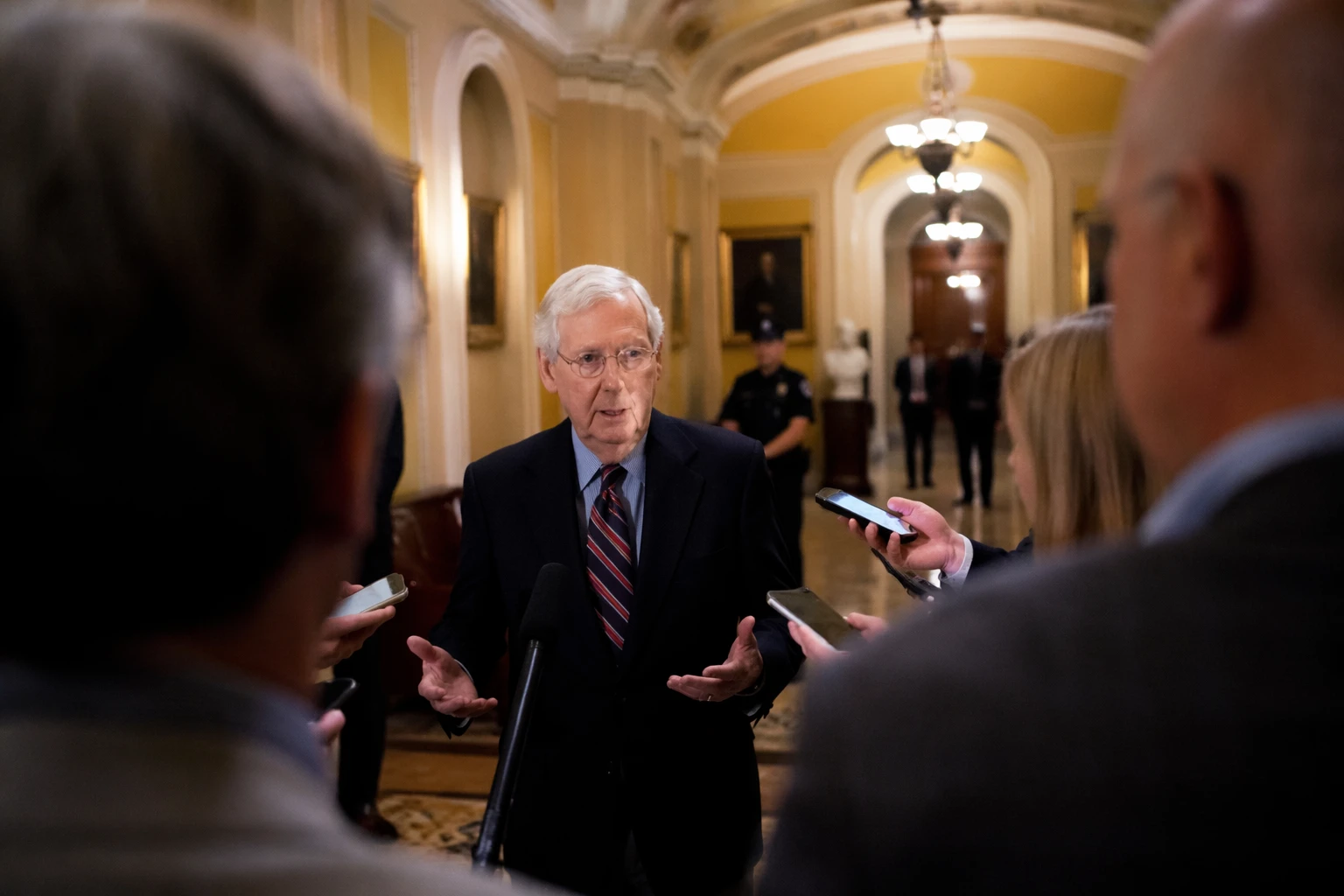
The memorandum’s reported concessions were substantial. Reuters said the framework was linked to the release of frozen Iranian assets, a proposed $300 billion private wealth fund for Iran, and sanctions relief. CNBC reported that Trump and Iranian President Masoud Pezeshkian signed the memorandum on June 17, 2026, and that it called for the immediate end to Israeli military actions in Lebanon, the full reopening of the Strait of Hormuz without tolls for at least 60 days, and further negotiations in Switzerland over a permanent peace deal and the fate of Iran’s stockpile of highly enriched uranium. The deal’s concrete American gain appeared narrower, a temporary pause and a negotiating channel rather than a final settlement.
That imbalance fueled the sharpest political attacks. Sen. Bill Cassidy called the deal the “worst foreign policy blunder in decades,” and Sen. Roger Wicker said he worried it “negotiates away” U.S. military successes. Former U.N. ambassador Nikki Haley also criticized the prospect of billions in reconstruction money for Tehran. With the November 2026 midterm elections approaching, Republicans now face pressure from both hawks who think the deal gives away too much and voters who remember the cost of the last Iran fight, while Democrats are pressing for a fuller accounting of what Washington actually received in return.
Sources
- [1]cbsnews.com
- [2]reuters.com
- [3]politico.com
- [4]cnbc.com
- [5]aljazeera.com