World
Trump’s Iran Policy Shakes Middle East Stability, Leaves Arab Allies on Edge
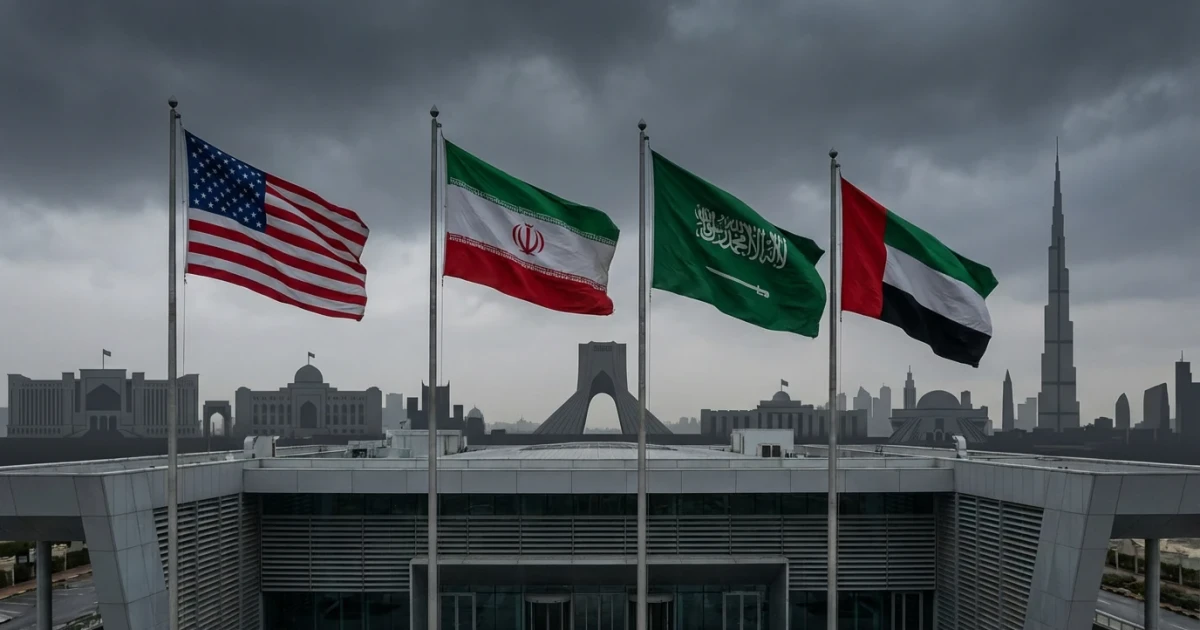
Former President Donald Trump's recent policy maneuvers regarding Iran have sent shockwaves through the Middle East, unsettling key Arab allies and raising urgent questions about the region's security and the future of long-standing diplomatic relationships.
Heightened Tensions Across the Gulf
Trump’s approach to Iran—marked by assertive rhetoric and the recalibration of U.S. commitments—has created fresh uncertainty for America’s Arab partners. While specific policy actions have not been detailed publicly, the overall shift has clearly rattled traditional Gulf allies who have long relied on a predictable U.S. stance toward Tehran.
Historically, countries such as Saudi Arabia and the United Arab Emirates have viewed the U.S. as a steadfast counterweight to Iranian ambitions in the region. Any deviation from this posture—whether through overtures toward Tehran or reduced U.S. military presence—threatens to upset the delicate balance of power in the Gulf and beyond.
Regional Security and Diplomatic Fallout
The ripple effects of Trump’s Iran strategy are already being felt. Arab states, whose security strategies are closely tied to American military and diplomatic support, now face a more complex and unpredictable environment. The uncertainty has led some governments to contemplate recalibrating their own foreign policies and exploring alternative security arrangements.
- Saudi Arabia has repeatedly expressed concern about Iranian influence in Yemen, Iraq, and Syria, and any perceived U.S. pivot could embolden Tehran’s regional activities.
- The United Arab Emirates has invested heavily in its own military capacity but still relies on U.S. backing to deter threats from Iran.
- Other Arab states, such as Bahrain and Kuwait, remain wary of shifting U.S. priorities and the potential for increased Iranian assertiveness.
Implications for U.S. Influence
Experts note that these developments could affect America’s influence in the Middle East for years to come. If Arab allies perceive the United States as less committed to their security, they may seek new partnerships or accelerate their own diplomatic outreach to rivals—including Iran itself.
The long-term consequences could include:
- Increased military spending by Gulf states as they prepare for greater self-reliance
- Potential shifts in oil markets as regional tensions rise
- Changes in the balance of power, with rival countries seeking to fill any perceived vacuum left by the U.S.
Looking Ahead: An Uncertain Road
As former President Trump’s Iran policy continues to reverberate across the region, Arab leaders are watching closely for signs of sustained change or potential course corrections from Washington. The uncertainty underscores the complexity of Middle East politics, where alliances and rivalries are often deeply intertwined and subject to rapid shifts based on global events.
For now, the message from the region is clear: U.S. moves on Iran are being scrutinized more than ever, and the stakes for regional stability—and American influence—could hardly be higher.
Sources
- [1]Politico